DUI Checkpoints in Indiana: Your Rights and Responsibilities

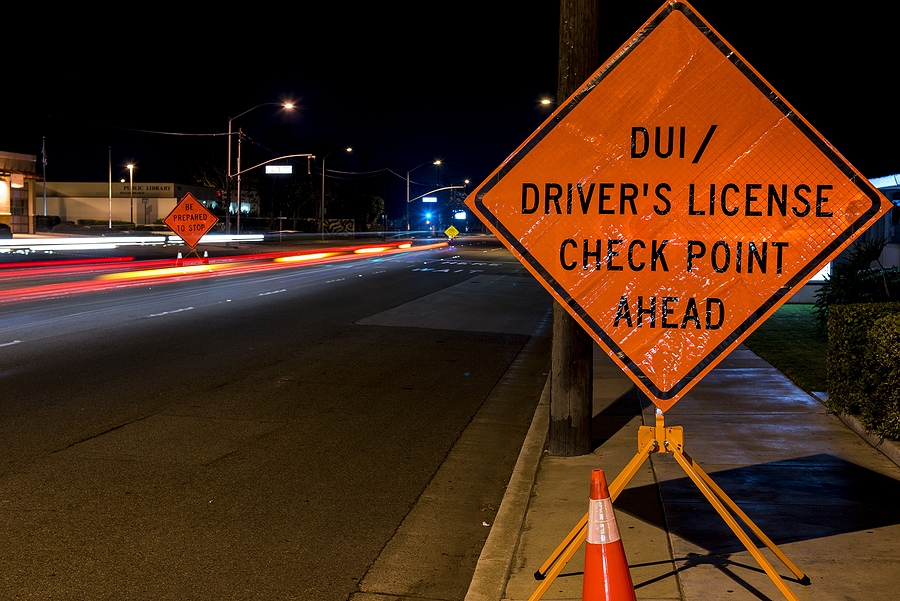
Driving home after a night out with friends, you notice flashing lights ahead and cars slowly moving through what appears to be a checkpoint. Your heart races as you wonder what to expect and what rights you have during this encounter. DUI checkpoints are a reality for Indiana drivers, and understanding your legal position can make all the difference in how you handle these situations.

DUI checkpoints serve as a preventive measure against drunk driving, but they also raise important questions about individual rights and police authority. Whether you’re a seasoned driver or new to Indiana’s roads, knowing what happens at these stops—and what you’re legally required to do—can protect you from unnecessary complications and help you navigate the process with confidence.

This guide will walk you through everything you need to know about DUI checkpoints in Indiana, from your constitutional rights to the potential consequences of a DUI arrest, ensuring you’re prepared for any roadside encounter.
Call 317-876-9600  if You Need a DUI Bail Bondsman in Indianapolis Indiana
Call 317-876-9600 if You Need a DUI Bail Bondsman in Indianapolis Indiana

Legal Foundation of DUI Checkpoints in Indiana

DUI checkpoints operate under specific legal authority established by both federal and state law. The landmark U.S. Supreme Court case Michigan Dept. of State Police v. Sitz, 496 U.S. 444 (1990) established the constitutionality of DUI checkpoints, determining that the public safety benefits outweigh the minimal intrusion on individual privacy rights.

Indiana law enforcement agencies conduct these checkpoints to detect impaired drivers and remove them from the roads before they cause accidents. The checkpoints must follow strict guidelines to remain constitutional, including proper advance notice to the public, neutral selection criteria for stopping vehicles, and clear safety protocols for both officers and drivers.

These stops are considered administrative in nature rather than criminal investigations, which means they don’t require the same level of suspicion typically needed for a traffic stop. However, this doesn’t mean law enforcement has unlimited authority during these encounters.

Understanding Your Rights at DUI Checkpoints

Your rights at a DUI checkpoint are protected by the Fourth Amendment, but they differ from your rights during a regular traffic stop. You have the right to remain silent beyond providing basic identification information. While you must present your driver’s license, vehicle registration, and proof of insurance when requested, you’re not required to answer questions about where you’ve been, what you’ve been drinking, or your activities that evening.

You also have the right to refuse field sobriety tests, though this refusal may have consequences under Indiana’s implied consent laws. The breathalyzer test presents a more complex situation—while you can technically refuse, doing so triggers automatic license suspension under Indiana Code 9-30-6-2, regardless of whether you’re ultimately convicted of DUI.

One crucial right that many drivers don’t realize they have is the ability to turn around and avoid the checkpoint entirely, provided they do so safely and legally. If you can make a legal U-turn or take an alternate route before entering the checkpoint area, you’re free to do so. However, attempting to avoid the checkpoint in an illegal manner—such as making an unsafe turn or driving recklessly—can result in a separate traffic stop.

What to Expect During a DUI Stop

When you approach a DUI checkpoint, officers will typically direct you to a designated lane where they’ll conduct a brief initial screening. This process usually takes just a few minutes for drivers who show no signs of impairment. The officer will ask for your license, registration, and insurance, and may engage in brief conversation to assess your condition.

During this interaction, officers are trained to look for signs of intoxication, including the smell of alcohol, bloodshot or glassy eyes, slurred speech, and unusual behavior. If an officer suspects impairment, you may be directed to a secondary screening area where more thorough testing occurs.

The secondary screening process can involve field sobriety tests, which may include walking in a straight line, standing on one leg, or following a pen or flashlight with your eyes. Officers may also request a preliminary breath test using a portable breathalyzer device. Remember that these roadside breath tests are different from the formal chemical test conducted at the police station, and the results may not be admissible in court.

If officers determine there’s probable cause to believe you’re driving under the influence, you’ll be arrested and transported for formal chemical testing. At this point, the breathalyzer test becomes mandatory under implied consent laws, and refusing it will result in automatic license suspension.

Contact Our Indianapolis Bail Agents for Help Now

Serious Consequences of DUI in Indiana

A DUI arrest in Indiana carries severe penalties that can impact your life for years. First-time offenders face fines up to $5,000, potential jail time of up to one year, and license suspension for up to two years. The court may also require alcohol education programs, community service, and installation of an ignition interlock device.

Second and subsequent DUI offenses carry increasingly harsh penalties, including longer jail sentences, higher fines, and extended license suspensions. A second offense within five years is classified as a Level 6 felony, which can result in six months to two and a half years in prison.

Beyond the legal penalties, a DUI conviction affects your insurance rates, employment opportunities, and professional licensing. Many employers conduct background checks, and a DUI conviction can disqualify you from certain positions, particularly those involving driving or operating machinery.

The financial impact extends beyond fines and court costs. You’ll face increased insurance premiums, potential vehicle impoundment fees, and costs associated with license reinstatement. The total cost of a first DUI offense can exceed $5,000 when all expenses are considered.

Preventing DUI Situations

The most effective way to avoid DUI checkpoints complications is simple: don’t drive after drinking. Plan ahead by designating a sober driver, using rideshare services, or arranging alternative transportation. Even small amounts of alcohol can impair your judgment and reaction time, and individual tolerance varies significantly based on factors like body weight, food consumption, and medications.

Understanding blood alcohol content (BAC) limits is crucial. Indiana’s legal limit is 0.08% for drivers over 21, but you can be charged with DUI at lower levels if your driving is impaired. Commercial drivers face a 0.04% limit, and drivers under 21 have a zero-tolerance policy with a 0.02% limit.

If you’re taking medications—whether prescription or over-the-counter—be aware that they can interact with alcohol or cause impairment on their own. Some medications carry warnings about operating machinery, which includes driving.

Getting Help: The Bail Bond Process

If a friend or family member is arrested at a DUI checkpoint, understanding the bail bond process can help you secure their release quickly. After arrest, the individual will be taken to jail for booking and processing, which can take several hours depending on the facility’s current workload.

Bail is typically set within 24-48 hours of arrest, either by a preset bail schedule or at a bail hearing. DUI bail amounts vary based on factors such as prior criminal history, the specific charges, and flight risk assessment. First-time DUI arrests often have lower bail amounts than repeat offenses.

Indianapolis bail bonds services can help when you can’t afford to pay the full bail amount. A bail bondsman typically charges a non-refundable fee of 10-15% of the total bail amount and provides the court with a guarantee that the defendant will appear for all scheduled court dates.

Working with an experienced bail bond company ensures faster processing and can help navigate the complexities of the system. They understand local court procedures and can often expedite the release process, getting your loved one out of jail in a matter of hours rather than days.

Final Thoughts

DUI checkpoints represent law enforcement’s commitment to road safety, but they also highlight the importance of understanding your rights and responsibilities as a driver. Being informed about the checkpoint process, knowing your legal options, and planning ahead can help you navigate these situations with confidence.

If you find yourself facing DUI charges after a checkpoint stop, time is critical. The sooner you address bail and begin building your defense, the better your chances of minimizing the impact on your life. Remember that a DUI arrest doesn’t automatically mean conviction—you have rights throughout the legal process.

Don’t let a DUI arrest derail your life or keep your loved one behind bars longer than necessary. Contact us today for immediate bail bond assistance and get the professional help you need to navigate this challenging situation. Our experienced team is available 24/7 to provide fast, reliable service when you need it most.

Call Now to Get Started

Related Post: Common Delays in Obtaining a Bail Bond for Someone
Understanding Arrest Warrants in Indiana: A Complete Guide

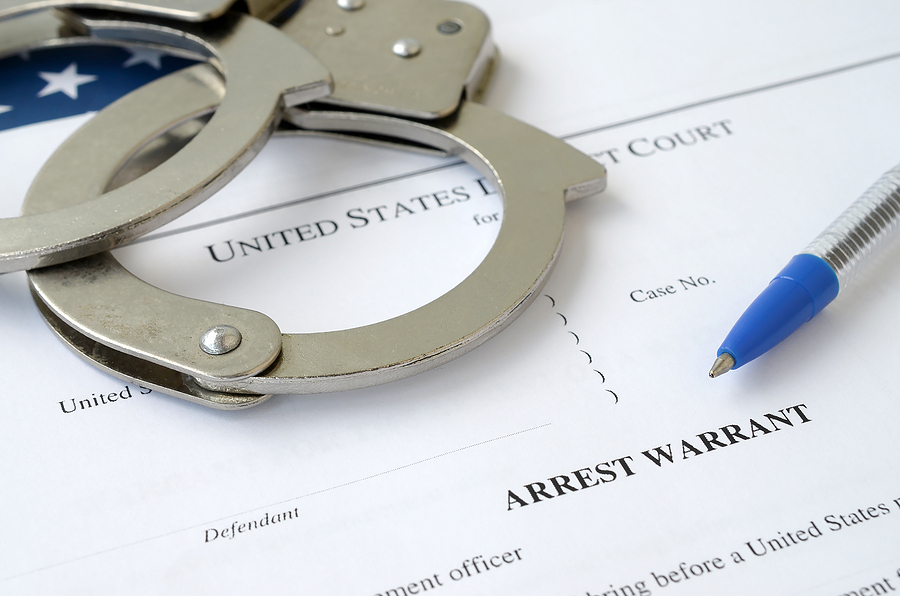
An arrest warrant is a legal document that authorizes law enforcement officers to take an individual into custody. If you suspect you might have an outstanding warrant or need to understand the warrant process in Indiana, having accurate information can help you navigate this challenging situation with confidence.

Understanding how arrest warrants work protects your legal rights and helps you make informed decisions. Whether you’re researching for yourself or helping a loved one, this comprehensive guide explains everything you need to know about Indiana arrest warrants, your legal rights, and the steps you can take to resolve warrant-related issues effectively.

Call 317-876-9600  for Fast Arrest Warrant Bail Bonds in Indiana
Call 317-876-9600 for Fast Arrest Warrant Bail Bonds in Indiana

How Arrest Warrants are Issued in Indiana

The process of issuing an arrest warrant in Indiana follows strict legal procedures designed to protect individual rights while ensuring public safety. Law enforcement cannot simply decide to arrest someone without proper legal justification.

Probable Cause Requirements

Under Indiana Code 35-33-2-1, an arrest warrant can only be issued when there is probable cause to believe that a person has committed a crime. Probable cause means there are facts and circumstances that would lead a reasonable person to believe the individual committed an offense.

Law enforcement officers must present evidence to support their request for a warrant. This evidence might include witness statements, physical evidence, surveillance footage, or other documentation that establishes a reasonable basis for believing the person committed a crime.

Judicial Review Process

Indiana Rule of Criminal Procedure 2.2 outlines the procedure for obtaining a warrant through an affidavit process. A judge must review the warrant application and supporting documentation before approving it.

The judicial review ensures that warrants meet legal standards and prevents arbitrary arrests. During this review, the judge examines whether the evidence presented meets the probable cause standard and whether the warrant request follows proper legal procedures.

Types of Arrest Warrants in Indiana

Different situations require different types of warrants, each serving a specific legal purpose. Understanding these distinctions helps clarify what type of warrant you might be dealing with.

Standard Arrest Warrants

Standard arrest warrants are issued when law enforcement has probable cause to believe someone committed a specific crime. These warrants allow officers to arrest the named individual and bring them before a court to face charges.

Bench Warrants

A bench warrant is issued directly by a judge when someone fails to appear in court as required. Common situations that result in bench warrants include missing a court date, failing to pay fines, or not complying with court orders.

Bench warrants differ from standard arrest warrants because they stem from court proceedings rather than criminal investigations. However, they carry the same legal authority and can result in arrest.

Search Warrants vs. Arrest Warrants

While search warrants authorize law enforcement to search specific locations for evidence, arrest warrants authorize the detention of specific individuals. Sometimes both types of warrants are executed simultaneously during criminal investigations.

What to Do If You Have a Warrant

Discovering you have an outstanding warrant can feel overwhelming, but taking prompt, appropriate action protects your interests and minimizes potential complications.

1. Verify Warrant Status

Before taking any action, confirm whether you actually have a warrant. You can check warrant status through:

  • County clerk offices
  • Online court records systems
  • Contacting an attorney to make inquiries on your behalf

Never ignore the possibility of an outstanding warrant, as unresolved warrants can lead to arrest at inconvenient times and locations.

2. Consider Prearranged Bail

Prearranged bail allows you to work with a bail bondsman before turning yourself in, ensuring you can be released quickly after arrest. This arrangement minimizes time spent in custody and allows you to handle the situation more efficiently.

Working with a professional bail bond company like Woods Bail Bonds helps streamline the process and provides guidance on next steps. Experienced bail bondsmen understand Indiana’s legal system and can explain your options clearly.

3. Seek Legal Representation

Consulting with a lawyer before addressing a warrant provides valuable guidance and protects your rights. Legal representation ensures you understand the charges against you and helps develop an appropriate strategy for your situation.

An attorney can also communicate with law enforcement and courts on your behalf, potentially arranging for voluntary surrender under favorable conditions.

Request Immediate Arrest Warrant Bail Help

Legal Rights During Arrest

Understanding your legal rights during an arrest protects you from potential violations and ensures proper treatment under the law.

Constitutional Rights

You maintain important constitutional rights even when arrested on a warrant:

  • The right to remain silent
  • The right to an attorney
  • The right to be informed of the charges against you
  • Protection against unreasonable searches and seizures

Due Process Protections

Due process ensures fair treatment throughout legal proceedings. This includes timely arraignment, proper notification of charges, and access to legal representation.

Execution of Arrest Warrants

Indiana Code 35-33-7-1 governs how arrest warrants are executed. Law enforcement officers must identify themselves and state the reason for arrest, but they are not required to show you the physical warrant at the time of arrest.

Officers can execute arrest warrants at your home, workplace, during traffic stops, or any other location where they encounter you. Understanding this helps you prepare mentally for potential arrest situations.

Common Misconceptions About Arrest Warrants

Several misconceptions about arrest warrants can lead to poor decision-making and unnecessary complications.

Severity of Underlying Charges

Many people assume all warrants involve serious crimes, but warrants are frequently issued for minor offenses like traffic violations, missed court appearances, or unpaid fines. Regardless of the underlying charge severity, all warrants require proper legal attention.

Warrant Duration

Arrest warrants typically remain active indefinitely until resolved. They do not expire or disappear over time. Ignoring a warrant only increases the likelihood of arrest and may result in additional charges or complications.

Notification Requirements

Police are not required to inform you about existing warrants before making an arrest. They only need to identify themselves and explain the reason for arrest during the actual detention.

Bail and Release Procedures

Understanding bail procedures helps you prepare for release after arrest and ensures you can return to your normal activities while addressing legal matters.

Bail Determination

Indiana Code 35-33-8-3 governs bail procedures and conditions. Bail amounts depend on factors including charge severity, flight risk, public safety concerns, and criminal history.

Working with Bail Bondsmen

A bail bondsman provides bail bond services by posting bail on your behalf in exchange for a fee, typically 10-15% of the total bail amount. This service allows release from custody when you cannot afford to pay the full bail amount upfront.

Professional bail bond companies understand local court procedures and can expedite the release process efficiently.

Frequently Asked Questions

How can I find out if I have a warrant in Indiana?

Contact the clerk of courts in counties where you might have legal matters, check online court records, or have an attorney make inquiries on your behalf. Many counties maintain searchable online databases of active warrants.

What happens after an arrest warrant is executed?

After arrest, you’ll be taken to jail for booking and processing. You’ll then appear before a judge for arraignment, where charges are formally read and you can enter a plea. Bail may be set at this time.

Can I be arrested at home, work, or during traffic stops?

Yes, arrest warrants can be executed anywhere law enforcement encounters you. This includes your residence, workplace, during routine traffic stops, or any public location.

How can a bail bondsman help me with an arrest warrant?

A bail bondsman can arrange prearranged bail before you turn yourself in and provide bail bond services after arrest to secure your release. They guide you through the process and explain your options.

Can an arrest warrant be recalled or dismissed?

In some cases, warrants can be recalled if the underlying issue is resolved, such as appearing in court for a missed hearing or paying outstanding fines. An attorney can help determine if recall is possible in your situation.

How does a bench warrant differ from a regular arrest warrant?

Bench warrants are issued by judges for court-related violations like failing to appear, while regular arrest warrants are issued based on criminal investigations. Both authorize arrest but stem from different circumstances.

Conclusion

Dealing with an arrest warrant requires immediate attention and professional guidance. Understanding your rights and options empowers you to handle the situation effectively while minimizing disruption to your life.

If you suspect you have an outstanding warrant or need assistance with bail bond services, don’t wait for complications to multiply. Contact Woods Bail Bonds today for confidential consultation and professional bail assistance. We understand Indiana’s legal system and can help guide you through this challenging process with dignity and efficiency.

Request a Free Cost Estimate Now

Related Post: The Ins and Outs of Indiana Arrest Warrants: Your Questions Answered