How Bail Bonds Prevent Failure to Appear in Indiana

Facing an arrest is an incredibly stressful event that can leave you feeling overwhelmed and uncertain about your future. Securing a release from jail brings a massive sense of relief, allowing you to return to your family and your job. However, getting out of custody is only the very first step in the legal process.

Once you are released on bail, you have a strict legal obligation to attend all scheduled court hearings. Missing a required court date is a serious offense in Indiana. It can instantly escalate a minor legal issue into a major crisis, resulting in new criminal charges and immediate warrants for your arrest.

Fortunately, you do not have to face this complex legal journey alone. Bail bond agencies play a vital role in keeping defendants on track and ensuring they meet their legal obligations. By partnering with a professional bondsman, you gain a supportive ally dedicated to helping you avoid the severe consequences of missing court.

Bail Bonds and FTA's in Indiana
Bail Bonds and FTA’s in Indiana

What is a Bail Bond and How Does it Work?

A bail bond is a financial guarantee made to the court. It serves as a formal promise that the defendant will attend all mandatory court appearances after being released from jail.

The Purpose of Bail

The primary purpose of bail is to balance two critical needs within the justice system. First, it protects the community and ensures that individuals answer for the charges filed against them. Second, it upholds the fundamental right of the accused to remain free until proven guilty. By requiring a financial deposit, the court creates a strong incentive for the defendant to return.

The Role of a Bail Bondsman

Most individuals do not have the cash on hand to pay the full bail amount set by a judge. A bail bondsman steps in to bridge this gap. For a non-refundable premium—typically around 8% to 10% of the total bail amount—the bondsman posts a surety bond on your behalf. The bondsman then assumes the financial risk if you fail to show up for court.

The Impact of Failure to Appear (FTA)

Missing a court date is known as a Failure to Appear (FTA). In Indiana, an FTA is treated with extreme severity by the courts and law enforcement.

Legal Consequences of FTA

If you intentionally miss your court date, the judge will issue a bench warrant for your arrest. Under Indiana law, committing an FTA is generally classified as a Class A misdemeanor, carrying potential penalties of up to 365 days in jail and up to $5,000 in fines. If your original charge was a felony, or if this is your second FTA conviction, the charge is elevated to a Level 6 felony. A Level 6 felony can result in up to 2.5 years in prison and $10,000 in fines.

Financial Repercussions of FTA

The financial hit of an FTA is immediate. When you fail to appear, the court instantly forfeits your bail bond. If you paid cash directly to the jail, that money is gone. If you used a bail bond agency, you and your co-signers become legally responsible for paying the full bail amount to the bondsman.

Personal and Social Ramifications

Beyond jail time and fines, an FTA conviction leaves a permanent mark on your criminal record. This can create massive roadblocks when you try to find employment, secure housing, or apply for loans. A felony FTA conviction can also strip you of essential civil rights, such as your right to vote or own a firearm. Furthermore, professional licensing boards may suspend or revoke your credentials due to the new criminal charges.

Preventing an FTA with Bail Bonds

Working with a bail bond agency provides much more than just a financial way out of jail. It creates a structured system designed to keep you compliant with court orders.

How Bail Bonds Encourage Court Attendance

Because bail bond agencies take on the financial risk of your release, they are highly motivated to ensure you attend your hearings. Bail bond co-signers (often friends or family members) also share this financial liability. This creates a circle of accountability. Knowing that your loved ones will suffer financially if you miss court is a powerful deterrent against fleeing.

The Support System Provided by Bail Bond Agencies

Professional bondsmen act as a reliable support system during a chaotic time. Many agencies provide automated text messages or phone calls to remind you of your upcoming court dates. They also explain the legal paperwork in plain English, ensuring you know exactly where you need to be and when. If a genuine emergency arises, a bondsman can often guide you on how to properly communicate with the court to request a continuance before a warrant is issued.

The Bail Bond Process in Central Indiana

The bail process can vary slightly depending on where you are held. Central Indiana operates several large county jails, each with specific procedures for posting bond.

Marion County Bail Bonds

In Indianapolis, the Marion County Jail processes a high volume of inmates daily. Bonds are typically posted at the Marion County Jail Information and Visitation Center. Due to the size of the facility, the release process can take several hours after the bond is paid. A local bail bondsman familiar with Marion County’s specific shifts and processing times can help expedite your release.

Hamilton County Bail Bonds

Located in Noblesville, the Hamilton County Jail handles inmates for the surrounding suburban areas. Bonds can usually be posted 24 hours a day at the Hamilton County Justice Center. Working with an agency that frequently operates in Hamilton County ensures all paperwork is filed correctly with the local clerk, preventing unnecessary delays.

Johnson County Bail Bonds

For those arrested in Franklin or surrounding areas, the Johnson County Jail Division manages the booking and release procedures. Similar to other counties, bond amounts are typically set by a standard schedule based on the charges. A knowledgeable bondsman will quickly verify the bail amount with the Johnson County Sheriff’s Office and get the release paperwork initiated immediately.

Frequently Asked Questions about Bail Bonds and FTAs

What happens if I miss my court date?

If you miss your court date, the judge will issue a bench warrant for your arrest, and your bond will be revoked. You may face new criminal charges for Failure to Appear, which can be either a misdemeanor or a felony depending on your initial charges.

Can a bail bond help me avoid an FTA?

Yes. Bail bond agencies actively help you avoid an FTA by providing court date reminders, explaining your legal obligations, and maintaining regular communication with you and your co-signers until your case is closed.

How quickly can a bail bond be secured?

A bail bond can usually be secured within minutes of contacting an agency. Once the bondsman files the paperwork at the jail, the facility begins the release process. The actual time it takes to walk out the doors depends on how busy the specific jail is that day.

Ensuring Your Court Appearance with Confidence

Navigating the aftermath of an arrest requires diligence and attention to detail. Missing a court date is a mistake that can cost you your freedom, your finances, and your future. By utilizing the services of a professional bail bondsman, you gain financial assistance and a dedicated partner committed to keeping you on the right side of the law. They provide the reminders and accountability necessary to help you face your charges responsibly.

If you or a loved one needs immediate help posting bail, do not wait. We provide fast, confidential, and professional bail bond services across Central Indiana. We serve over 30 counties, including Marion County, Hamilton County, and Johnson County. Contact our team today to secure your freedom and get the reliable support you need to ensure a successful court appearance.

Call Now for Help

Related Post: What Happens if I Fail to Appear for Court in Indianapolis?

What to Expect at Your Hamilton County Initial Hearing

Facing criminal charges is a highly stressful experience, especially if you have never been involved with the justice system before. If you have been arrested in Hamilton County, Indiana, your first formal step in the court process is the initial hearing. This proceeding sets the stage for your entire case.

An initial hearing is not a trial. You will not present evidence or argue your innocence at this stage. Instead, the court uses this time to formally read the charges against you, advise you of your constitutional rights, and determine your bail or pretrial release conditions. Your appearance might take place in Hamilton Superior Court or Carmel City Court, depending on where the charges were filed.

Understanding the mechanics of this first appearance can help reduce your anxiety. Knowing who is in the room, what the judge will ask, and how your release is handled empowers you to make better decisions for your future.

Hamilton County Court Hearing
Hamilton County Initial Hearing Expectations

Key Players in the Courtroom

When you step into a Hamilton County courtroom, you will encounter several professionals who each play a distinct role in your case. Recognizing who they are and what they do can make the environment feel much less intimidating.

The Judge’s Role

The judge is the impartial authority overseeing the hearing. At this stage, their primary duty is to ensure you understand the charges against you and your constitutional rights. The judge will also decide if there was probable cause for your arrest and determine your conditions of release.

The Prosecutor’s Role

The prosecutor represents the state of Indiana. They have reviewed your arrest report and decided which specific criminal charges to file. During the initial hearing, the prosecutor does not present a full case against you, but they may make recommendations regarding your bail amount and release conditions based on your criminal history.

Your Defense Attorney: Your Advocate

Your defense attorney is your personal advocate. They are the only person in the courtroom whose sole job is to protect your interests. Having a lawyer present at your first appearance ensures your rights are protected early on. They can argue for lower bail, help you understand the charges, and advise you on how to plead.

Court Staff and Their Functions

You will also see various court staff, including the bailiff and the court reporter. The bailiff maintains security and order in the courtroom, while the court reporter keeps an accurate, official transcript of everything said during the proceeding.

Steps of the Initial Hearing

The initial hearing follows a specific procedural structure. While the process moves quickly, several critical legal steps occur during this brief appearance.

Identification and Charges

First, the court will verify your identity. The judge will then read the formal charges filed against you. They will clarify whether these offenses are misdemeanors or felonies and explain the potential minimum and maximum penalties associated with a conviction.

Advisement of Rights

The judge must advise you of your constitutional rights. This includes your right to a speedy trial, your right to remain silent, and your right to legal counsel. You will be asked if you plan to hire a private attorney or if you need to apply for a public defender due to financial hardship.

Plea Options: Not Guilty, Guilty, or No Contest

The court will ask how you plead to the charges. In Hamilton County, judges often automatically enter a preliminary “not guilty” plea on your behalf. Entering a not guilty plea is generally the safest course of action, as it preserves your rights and allows your defense attorney time to investigate the facts, review the evidence, and build a strategy.

Bail and Pretrial Release Conditions

One of the most important outcomes of your first appearance is the judge’s decision on pretrial release. The judge reviews factors like your ties to the community, criminal history, and the severity of the charges to determine if you can go home while your case is pending.

  • Cash Bail: The judge may set a cash bond, which requires you or a loved one to pay the full amount in cash to the court. This money acts as collateral to ensure you return for future court dates.
  • Surety Bond: If the bail amount is high, you can use a surety bond. This involves working with a bail bondsman, where you typically pay a non-refundable percentage (often between 10% and 15%) of the total bail amount as a fee.
  • Own Recognizance Release: In some cases, the judge may release you on your own recognizance. This means you do not have to pay any money upfront, but you sign a written promise to appear at all future court dates. Release conditions often accompany this, such as no-contact orders or random drug testing.

Scheduling Future Court Dates

Before the hearing concludes, the judge will schedule your upcoming court appearances. This usually includes a pretrial conference, deadlines for discovery, and a tentative trial date.

Preparing for Your Initial Hearing

Going to court requires proper preparation. How you present yourself can influence how the judge and court staff perceive you.

What to Bring

Bring any relevant legal documents, such as your arrest paperwork or bonding receipts. Have a valid form of identification and the contact information for your defense attorney. Do not bring any weapons, large bags, or unnecessary personal items.

Courtroom Etiquette and Expectations

Hamilton County courts enforce a strict dress code. Courthouse attire must be neat, clean, and appropriate. Avoid wearing shorts, tank tops, or clothing with offensive language. Furthermore, the use of cellphones, cameras, or any other electronic devices is strictly prohibited inside the courtroom without prior permission. Turn off your phone completely before entering.

Communicating with Your Attorney

Always consult with your attorney before speaking to the judge or prosecutor. Remember that anything you say in the courtroom is recorded and can be used against you. Let your lawyer do the talking whenever possible.

What Happens After the Initial Hearing?

Once the judge concludes the hearing, your case officially moves into the pretrial phase. Your next steps depend heavily on the outcome of your bail hearing.

Next Steps in the Legal Process

Your defense attorney will begin the discovery process, which involves requesting evidence, police reports, and witness statements from the prosecutor. You will need to attend all scheduled pretrial conferences and adhere strictly to any release conditions set by the judge.

The Role of a Bail Bond Service

If the judge set a surety bond, your priority is securing your release from jail. A professional Hamilton County bail bondsman can facilitate this process quickly. They understand the county’s specific jail system and can post the bond on your behalf, allowing you to return to your family and job while your attorney prepares your defense.

FAQ Section

How long does an initial hearing last?

The hearing itself is quite brief, often lasting only five to ten minutes. However, you may spend hours waiting in the courtroom or holding area for your case to be called.

Can I bring my family to court?

Yes, courtrooms are generally open to the public. Having supportive family members present can be reassuring, provided they follow all courtroom rules and dress codes.

What if I can’t afford an attorney?

If you cannot afford private counsel, you have the right to a public defender. You will need to fill out a financial affidavit to prove your income level meets the requirements for court-appointed representation.

What happens if I miss my initial hearing?

Failing to appear is a serious offense. The judge will issue a bench warrant for your immediate arrest, and your current bail could be revoked.

Can my charges be dropped at the initial hearing?

It is highly unlikely. The initial hearing is strictly procedural. Dismissals usually occur later in the process after your defense attorney has reviewed the evidence and negotiated with the prosecutor.

Managing the Start of Your Case

An initial hearing is simply the starting line of the criminal justice process. By understanding the roles of the courtroom staff, the procedures for entering a plea, and the conditions of your bail, you can approach this stressful event with a clearer mind. Protect your future by remaining silent, dressing appropriately, and securing strong legal representation immediately.

If you or a loved one needs help securing pretrial release, do not wait. Contact our Hamilton County bail bond service in Indiana today. Request immediate assistance now to get back home and start building your defense.

Call Our Office

Related Post: Getting a Bail Bond in Hamilton County, Indiana

Bail Hearing Guide: Marion County, Indianapolis

TL;DR and Key Takeaways:

If you or a loved one has been arrested in Marion County, understanding the bail hearing process can help you navigate what comes next. Here’s what you need to know:

  • Initial hearings typically occur within 48 hours of a warrantless arrest (or within 20 days if bail was posted immediately).
  • The judge considers multiple factors when setting bail, including criminal history, community ties, and the nature of the alleged offense.
  • Multiple bond types are available in Marion County, including cash bonds, surety bonds, and percent bonds.
  • All proceedings take place at the Community Justice Campus located at 675 Justice Way, Indianapolis, IN 46203.
  • You have the right to legal representation at your initial hearing, including a public defender if you cannot afford an attorney.

Understanding these fundamentals can reduce anxiety during a challenging time and help you make informed decisions about your case.

Table of Contents:

  1. What is a Marion County Bail Hearing?
  2. The Role of the Marion County Judge
  3. Factors Affecting Your Bond Amount
  4. Frequently Asked Questions
  5. Quick Recap
  6. Next Steps
  7. Request Marion County Bail Bond Service
Call 317-876-9600 When You Need Bail in Marion County Indianapolis

What is a Marion County Bail Hearing?

A Marion County bail hearing—also called an initial hearing—is a court proceeding where a judge determines whether you can be released from custody and, if so, under what conditions and at what cost.

Under Indiana law, anyone arrested without a warrant must be brought before a judicial officer promptly for an initial hearing. This hearing serves several critical purposes: the court informs you of the charges against you, advises you of your constitutional rights, and determines the terms of your release from the Marion County jail.

During this proceeding, the judge evaluates whether you pose a flight risk or a danger to the community. Based on this assessment, the court sets bail—a financial guarantee that you’ll return for all future court appearances.

All adult criminal court matters in Marion County now take place at the Community Justice Campus, a modern facility designed to streamline the justice process. Located at 675 Justice Way in Indianapolis, this campus houses the Marion Superior Court, Marion County Circuit Court, the Adult Detention Center, and related services.

The Role of the Marion County Judge

The judge at your initial hearing has the authority to set your bond amount, impose release conditions, and determine what type of bail you must post to secure your release. Indiana law gives judges considerable discretion in making bail decisions. The court must balance your constitutional right to reasonable bail against legitimate public safety concerns and the need to ensure you appear for trial.

At the hearing, the judge will consider evidence presented by the prosecutor and may hear from you or your attorney. The court is required to consider the results of the Indiana Risk Assessment System-Pretrial Assessment Tool (IRAS-PAT) if available, which helps predict your likelihood of appearing for court and your risk of reoffending.

Based on this evaluation, the judge can impose various conditions of release. These may include:

  • Requiring you to check in regularly with a pretrial services officer
  • Ordering you to refrain from contact with alleged victims or witnesses
  • Restricting your travel or requiring you to surrender your passport
  • Mandating GPS monitoring in domestic violence cases
  • Setting geographic boundaries you cannot cross

The judge will also determine which type of bond is appropriate for your situation. Marion County accepts several bond types, including cash bonds (paid in full), surety bonds (arranged through a licensed bail agent at 10-15% of the total), and percent bonds (where you pay 10% directly to the court, which may be refundable).

Factors Affecting Your Bond Amount

Indiana law requires judges to consider ten specific factors when setting bail, with the primary focus on whether you’re likely to appear for court and whether you pose a safety risk to others. The judge cannot set bail higher than reasonably necessary to ensure your court appearance or protect public safety.

Here are the key factors that influence your bond amount:

Criminal and Court History

Your prior record significantly impacts bail decisions. The court examines your criminal history to assess patterns of behavior, particularly any history of failing to appear for court dates or fleeing to avoid prosecution. A clean record or isolated past mistake will be viewed more favorably than a pattern of legal troubles.

Community Ties

Strong connections to Marion County work in your favor. The judge considers how long you’ve lived in the area, whether you own property, your employment stability, and your family relationships. These ties suggest you’re less likely to flee and more likely to return for court proceedings.

Nature of the Charges

More serious charges typically result in higher bail amounts. The court considers both the severity of the alleged offense and the potential penalties you face. Violent crimes, for example, often carry higher bonds than non-violent offenses.

Financial Resources

The court evaluates your ability to pay bail, including your income, assets, and employment status. Bail should not be set so high that it’s effectively impossible for you to post, but it must be substantial enough to motivate your return to court.

Public Safety Considerations

If the prosecutor presents clear and convincing evidence that you pose a physical danger to another person or the community, the judge can set higher bail or impose additional conditions. This is particularly relevant in cases involving domestic violence, stalking, or violent crimes.

Immigration Status

If you’re a foreign national unlawfully present in the United States under federal immigration law, Indiana law requires you to post either a full cash bond, a real estate bond with equity at least twice the bail amount, or a surety bond through a licensed bail agent.

Special rules apply in certain cases. For instance, if you’re charged as a sexually violent predator, with child molesting, or with child solicitation, the court must hold an open bail hearing within 48 hours (absent exigent circumstances) before setting bond. Additionally, individuals arrested for domestic violence cannot be released on bail until at least eight hours after arrest.

Frequently Asked Questions

How quickly will I have my initial hearing?

If you’re arrested without a warrant and remain in custody, you must be taken before a judge promptly—typically within 48 hours. However, if you post bail before your initial hearing (through a bail schedule or magistrate), the hearing must occur within 20 calendar days of your arrest (or 10 days for certain driving-related offenses).

What happens if I can’t afford a lawyer?

You have a constitutional right to legal representation at your initial hearing. If you cannot afford to hire a private attorney, you can request a public defender. The court will evaluate your financial situation and appoint counsel if you qualify. This determination typically happens at or shortly after your initial hearing.

Can I pay my bond online?

Yes. Marion County allows online bond payments for cash bonds and personal recognizance (PR) bonds through the GovPayNow system. However, surety bonds must be arranged through a licensed bail agent, and purge bonds can only be paid in person. In-person bond payments are accepted daily from 8 AM to midnight at the Community Justice Campus.

What if I miss my court date after posting bail?

Failing to appear after posting bail has serious consequences. The court will issue a warrant for your arrest and may declare your bond forfeited. If you posted a cash or percent bond, you could lose the money you deposited. When you’re rearrested, the judge cannot set your new bail lower than the greater of your original bail amount or $2,500, and you cannot be released on personal recognizance.

Can my bail amount be changed after it’s set?

Yes. Either you or the prosecutor can request a modification of bail by showing good cause. If your circumstances change—for example, if you obtain employment or if new evidence emerges—your attorney can petition the court to reduce your bail. Conversely, if you violate conditions of release or if the state presents new evidence of flight risk or danger, the prosecutor can request an increase.

Where exactly do I go for my hearing?

All adult criminal court proceedings in Marion County take place at the Community Justice Campus, located at 675 Justice Way, Indianapolis, IN 46203. The facility is open Monday through Friday from 8 AM to 4 PM for general court matters. You can find specific courtroom and hearing information by checking your court documents or visiting www.mycase.in.gov.

Quick Recap:

Here’s a step-by-step overview of what happens during a Marion County bail hearing:

  • Arrest and booking: You’re taken into custody and processed at the Adult Detention Center at the Community Justice Campus.
  • Initial hearing scheduled: The court sets a hearing date, typically within 48 hours if you remain in custody.
  • Risk assessment: Pretrial services may administer the IRAS-PAT to evaluate your risk level.
  • Court appearance: You appear before a Marion Superior Court or Circuit Court judge at the Community Justice Campus.
  • Rights advisement: The judge informs you of the charges and your constitutional rights, including the right to an attorney.
  • Bond determination: After considering the statutory factors and any evidence presented, the judge sets your bail amount and type.
  • Conditions imposed: The court may impose additional release conditions, such as no-contact orders or check-in requirements.
  • Bond payment: You or someone on your behalf pays the bond (in person or online, depending on bond type).
  • Release: Once bond is posted and processed, you’re released from custody pending trial.

Next Steps

Understanding the bail hearing process is just the beginning. The decisions made at your initial hearing can significantly impact your case and your life while awaiting trial.

If you or a loved one needs immediate bail bond assistance in Marion County, professional help is available. Whether you need to post bail quickly or surrender on an outstanding arrest warrant, experienced bail bond agents can guide you through the process with discretion and efficiency.

Don’t navigate this challenging time alone. Contact our licensed Marion County bail bond service today to discuss your options and secure your release as quickly as possible.

Call Now to Get Started

Related Post: Indianapolis Marion County Bail Bond Schedule Guide

Failed a Drug Test on Probation in Indy? Here’s What Happens Next

The moment you realize a drug screen might come back positive can be terrifying. For many individuals serving probation in Marion County, that single test represents the difference between freedom and a return to a jail cell. The anxiety is understandable, but panic rarely leads to good decision-making.

Probation is often viewed as a “second chance”—a way for the court to monitor behavior while allowing you to remain in the community rather than serving time in the Indiana Department of Correction (IDOC) or the county jail. However, this freedom is conditional. When you signed your probation agreement, you essentially entered a contract with the state. One of the most rigid terms of that contract is almost always sobriety.

If you have recently failed a drug test, or fear you are about to, it is critical to understand the specific legal mechanics at play in Indiana. A positive test is a violation of your court order, but it does not automatically guarantee a maximum sentence. The outcome depends heavily on your history, the specific substance involved, and the actions you take immediately following the result.

Call 765-644-0400 if You are Looking for a Probation Violation Bail Bond in Marion County Indiana

The Rules of the Road: Probation Terms in Marion County

When a judge grants probation in Indianapolis, they are guided by Indiana Code 35-38-2-2.3. This statute outlines the conditions a court can impose. While every case is unique, the requirement to “refrain from possessing a firearm or other deadly weapon” and to “avoid checking into places where alcohol is sold” are standard.

However, the most relevant condition here is the requirement to undergo laboratory testing. The court has the authority to order periodic drug and alcohol screenings to detect controlled substances. By accepting probation, you waived your right to refuse these tests. In Marion County, refusing a test is often treated identically—or sometimes more harshly—than failing one. It is viewed as an act of non-compliance with a court order.

How Drug Testing Actually Works

While the legal language can be dry, the reality of testing is invasive and stressful. Understanding the methodology can help you navigate the process with fewer surprises.

The Testing Methods

The most common form of testing in the Marion County probation system is urinalysis. It is cost-effective and provides immediate results for a wide range of substances, including amphetamines, cocaine, opiates, and marijuana.

However, probation officers are not limited to urine screens. Depending on the specific terms of your sentence or the nature of your offense, you may be subject to:

  • Saliva tests: Often used for quick field screening.
  • Hair follicle tests: These can detect drug use over a much longer period, often up to 90 days.
  • Blood tests: Usually reserved for more specific or contested situations due to the invasive nature and cost.
  • SCRAM bracelets: These are secure ankle monitors specifically designed to detect alcohol consumption through your sweat.

The Randomization

Most probationers are placed on a random calling system. You are assigned a color or a number and must check a hotline daily to see if your group is required to test. This unpredictability is designed to prevent “flushing” or timing drug use around scheduled appointments.

Request Emergency Bail Bond Service in Marion County IN

The Consequences: From Sanctions to Revocation

So, what happens when the lab report comes back positive? Under Indiana Code 35-38-2-3, the court has the authority to revoke your probation if you violate a condition. However, the severity of the consequence usually correlates with the severity of the violation.

The Petition to Revoke

Typically, your probation officer will file a “Notice of Violation of Probation.” Once this is filed, the court may issue a summons ordering you to appear, or in many cases involving drug failures, issue a warrant for your arrest. If you are arrested, Indiana law stipulates you must have a hearing within 15 days if you are being held without bail.

Administrative Sanctions

For a first-time violation involving a “soft” failure (like marijuana in some contexts) or a low-level concern, your probation officer might handle it administratively without dragging you back in front of a judge. This could involve:

  • A verbal or written warning.
  • Increased frequency of drug testing (at your expense).
  • Mandatory enrollment in an outpatient substance abuse education class.

Modification of Conditions

If the violation goes to court, the judge may choose to modify your probation rather than revoke it entirely. This is an intermediate step where the court tightens the leash. Modifications often include:

  • Extension of probation: The judge can extend your probationary period for up to one year to ensure you have time to complete treatment.
  • Community Corrections: You might be moved from standard probation to a stricter supervision model, such as home detention or work release.
  • Rehabilitation: The court may order you to complete an inpatient or intensive outpatient program (IOP).

Revocation

This is the worst-case scenario. If the judge determines that you are no longer a good candidate for community supervision—perhaps due to repeated failures or a new crime committed while high—they can revoke your probation.

If revoked, the court can order you to serve the entirety of your suspended sentence. For example, if you had a 365-day sentence with 360 days suspended, the judge can order you to serve those 360 days in jail.

The Legal Process: You Have Rights

It is a common misconception that probationers have no rights. While you do not have the same rights as a defendant in a criminal trial (such as a jury), you still have due process rights during a revocation hearing.

The burden of proof in these hearings is “by a preponderance of the evidence.” This means the state only needs to prove that it is more likely than not (51%) that you failed the test. This is a much lower bar than “beyond a reasonable doubt.”

Despite this lower standard, you have the right to:

  • Be represented by an attorney.
  • Confront and cross-examine witnesses (such as the lab technician or probation officer).
  • Present your own evidence.

Crucially, you should never admit to a violation without speaking to counsel. There may be issues with the chain of custody of the sample, or false positives caused by prescription medication. An attorney can review the evidence to ensure the test was accurate and legally obtained.

Moving Forward After a Violation

A failed drug test is a setback, but it does not have to be the end of your road. Judges in Marion County are often looking for accountability and a genuine desire to change.

If you know you have failed, taking proactive steps before your hearing can make a significant difference. Voluntarily enrolling in a narcotics anonymous (NA) group, seeking a substance abuse evaluation, or checking yourself into rehab shows the court that you are taking the violation seriously and are committed to fixing the problem.

The legal system is complex, and the stakes are high. If you are facing a probation violation, treating it with the seriousness it deserves is the best way to protect your future.

Need immediate help with bail? If you or a loved one has been arrested on a probation violation warrant in Indianapolis, time is of the essence. Contact our local Marion County bail bond service immediately to discuss your options for securing release so you can prepare for your hearing from home, not a cell.

Call Now to Get Started

Related Post: The Fastest Way to Get Out of Jail for a Probation Violation

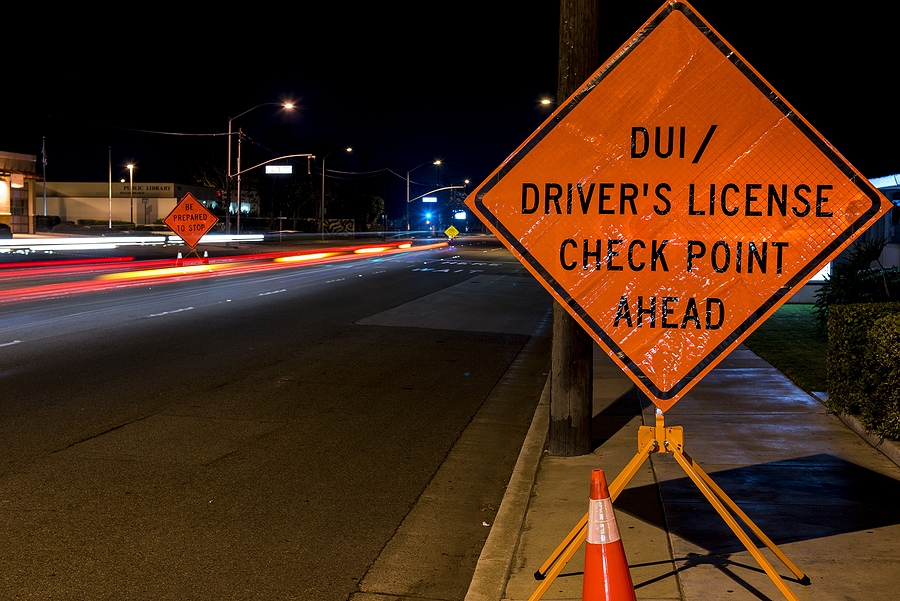
DUI Checkpoints in Indiana: Your Rights and Responsibilities

Driving home after a night out with friends, you notice flashing lights ahead and cars slowly moving through what appears to be a checkpoint. Your heart races as you wonder what to expect and what rights you have during this encounter. DUI checkpoints are a reality for Indiana drivers, and understanding your legal position can make all the difference in how you handle these situations.

DUI checkpoints serve as a preventive measure against drunk driving, but they also raise important questions about individual rights and police authority. Whether you’re a seasoned driver or new to Indiana’s roads, knowing what happens at these stops—and what you’re legally required to do—can protect you from unnecessary complications and help you navigate the process with confidence.

This guide will walk you through everything you need to know about DUI checkpoints in Indiana, from your constitutional rights to the potential consequences of a DUI arrest, ensuring you’re prepared for any roadside encounter.

Call 317-876-9600  if You Need a DUI Bail Bondsman in Indianapolis Indiana
Call 317-876-9600 if You Need a DUI Bail Bondsman in Indianapolis Indiana

Legal Foundation of DUI Checkpoints in Indiana

DUI checkpoints operate under specific legal authority established by both federal and state law. The landmark U.S. Supreme Court case Michigan Dept. of State Police v. Sitz, 496 U.S. 444 (1990) established the constitutionality of DUI checkpoints, determining that the public safety benefits outweigh the minimal intrusion on individual privacy rights.

Indiana law enforcement agencies conduct these checkpoints to detect impaired drivers and remove them from the roads before they cause accidents. The checkpoints must follow strict guidelines to remain constitutional, including proper advance notice to the public, neutral selection criteria for stopping vehicles, and clear safety protocols for both officers and drivers.

These stops are considered administrative in nature rather than criminal investigations, which means they don’t require the same level of suspicion typically needed for a traffic stop. However, this doesn’t mean law enforcement has unlimited authority during these encounters.

Understanding Your Rights at DUI Checkpoints

Your rights at a DUI checkpoint are protected by the Fourth Amendment, but they differ from your rights during a regular traffic stop. You have the right to remain silent beyond providing basic identification information. While you must present your driver’s license, vehicle registration, and proof of insurance when requested, you’re not required to answer questions about where you’ve been, what you’ve been drinking, or your activities that evening.

You also have the right to refuse field sobriety tests, though this refusal may have consequences under Indiana’s implied consent laws. The breathalyzer test presents a more complex situation—while you can technically refuse, doing so triggers automatic license suspension under Indiana Code 9-30-6-2, regardless of whether you’re ultimately convicted of DUI.

One crucial right that many drivers don’t realize they have is the ability to turn around and avoid the checkpoint entirely, provided they do so safely and legally. If you can make a legal U-turn or take an alternate route before entering the checkpoint area, you’re free to do so. However, attempting to avoid the checkpoint in an illegal manner—such as making an unsafe turn or driving recklessly—can result in a separate traffic stop.

What to Expect During a DUI Stop

When you approach a DUI checkpoint, officers will typically direct you to a designated lane where they’ll conduct a brief initial screening. This process usually takes just a few minutes for drivers who show no signs of impairment. The officer will ask for your license, registration, and insurance, and may engage in brief conversation to assess your condition.

During this interaction, officers are trained to look for signs of intoxication, including the smell of alcohol, bloodshot or glassy eyes, slurred speech, and unusual behavior. If an officer suspects impairment, you may be directed to a secondary screening area where more thorough testing occurs.

The secondary screening process can involve field sobriety tests, which may include walking in a straight line, standing on one leg, or following a pen or flashlight with your eyes. Officers may also request a preliminary breath test using a portable breathalyzer device. Remember that these roadside breath tests are different from the formal chemical test conducted at the police station, and the results may not be admissible in court.

If officers determine there’s probable cause to believe you’re driving under the influence, you’ll be arrested and transported for formal chemical testing. At this point, the breathalyzer test becomes mandatory under implied consent laws, and refusing it will result in automatic license suspension.

Contact Our Indianapolis Bail Agents for Help Now

Serious Consequences of DUI in Indiana

A DUI arrest in Indiana carries severe penalties that can impact your life for years. First-time offenders face fines up to $5,000, potential jail time of up to one year, and license suspension for up to two years. The court may also require alcohol education programs, community service, and installation of an ignition interlock device.

Second and subsequent DUI offenses carry increasingly harsh penalties, including longer jail sentences, higher fines, and extended license suspensions. A second offense within five years is classified as a Level 6 felony, which can result in six months to two and a half years in prison.

Beyond the legal penalties, a DUI conviction affects your insurance rates, employment opportunities, and professional licensing. Many employers conduct background checks, and a DUI conviction can disqualify you from certain positions, particularly those involving driving or operating machinery.

The financial impact extends beyond fines and court costs. You’ll face increased insurance premiums, potential vehicle impoundment fees, and costs associated with license reinstatement. The total cost of a first DUI offense can exceed $5,000 when all expenses are considered.

Preventing DUI Situations

The most effective way to avoid DUI checkpoints complications is simple: don’t drive after drinking. Plan ahead by designating a sober driver, using rideshare services, or arranging alternative transportation. Even small amounts of alcohol can impair your judgment and reaction time, and individual tolerance varies significantly based on factors like body weight, food consumption, and medications.

Understanding blood alcohol content (BAC) limits is crucial. Indiana’s legal limit is 0.08% for drivers over 21, but you can be charged with DUI at lower levels if your driving is impaired. Commercial drivers face a 0.04% limit, and drivers under 21 have a zero-tolerance policy with a 0.02% limit.

If you’re taking medications—whether prescription or over-the-counter—be aware that they can interact with alcohol or cause impairment on their own. Some medications carry warnings about operating machinery, which includes driving.

Getting Help: The Bail Bond Process

If a friend or family member is arrested at a DUI checkpoint, understanding the bail bond process can help you secure their release quickly. After arrest, the individual will be taken to jail for booking and processing, which can take several hours depending on the facility’s current workload.

Bail is typically set within 24-48 hours of arrest, either by a preset bail schedule or at a bail hearing. DUI bail amounts vary based on factors such as prior criminal history, the specific charges, and flight risk assessment. First-time DUI arrests often have lower bail amounts than repeat offenses.

Indianapolis bail bonds services can help when you can’t afford to pay the full bail amount. A bail bondsman typically charges a non-refundable fee of 10-15% of the total bail amount and provides the court with a guarantee that the defendant will appear for all scheduled court dates.

Working with an experienced bail bond company ensures faster processing and can help navigate the complexities of the system. They understand local court procedures and can often expedite the release process, getting your loved one out of jail in a matter of hours rather than days.

Final Thoughts

DUI checkpoints represent law enforcement’s commitment to road safety, but they also highlight the importance of understanding your rights and responsibilities as a driver. Being informed about the checkpoint process, knowing your legal options, and planning ahead can help you navigate these situations with confidence.

If you find yourself facing DUI charges after a checkpoint stop, time is critical. The sooner you address bail and begin building your defense, the better your chances of minimizing the impact on your life. Remember that a DUI arrest doesn’t automatically mean conviction—you have rights throughout the legal process.

Don’t let a DUI arrest derail your life or keep your loved one behind bars longer than necessary. Contact us today for immediate bail bond assistance and get the professional help you need to navigate this challenging situation. Our experienced team is available 24/7 to provide fast, reliable service when you need it most.

Call Now to Get Started

Related Post: Common Delays in Obtaining a Bail Bond for Someone

How to Prepare for Court After Being Released on Bond

Being released on bond provides temporary freedom, but it also comes with significant responsibilities. The period between your release and court appearance is crucial for building a strong defense and ensuring the best possible outcome for your case. Many people make costly mistakes during this time that can jeopardize their freedom and legal standing.

Proper court preparation while out on bond involves understanding your bail bond conditions, gathering essential documents, working closely with your attorney, and preparing yourself mentally and physically for your day in court. The stakes are high—violating bond conditions can result in immediate re-arrest, while poor preparation can weaken your defense and lead to harsher penalties.

This guide will walk you through the essential steps to prepare for your upcoming court appearance after being released on bond. Whether you’re facing an arraignment (your first court hearing where charges are formally presented) or a trial, following these preparation steps can make a significant difference in your case outcome.

Call 317-876-9600 if You Require a Bail Bond Release From Jail in Indiana

Understanding Your Bond Conditions

Your bail bond agreement contains specific rules you must follow while awaiting trial. These bond conditions are legally binding requirements, and violating them can result in your immediate return to jail and forfeiture of your bond money.

Common Bond Conditions Include:

  • Court Appearance Requirements: You must attend all scheduled court dates without exception
  • Travel Restrictions: Many bonds limit travel to specific counties or states
  • Contact Restrictions: You may be prohibited from contacting certain individuals, including alleged victims or witnesses
  • Substance Use Limitations: Alcohol consumption or drug use restrictions are common
  • Employment Requirements: Some bonds require you to maintain steady employment
  • Check-in Obligations: Regular reporting to a bail bond agent or court officer
  • Weapon Restrictions: Prohibition from possessing firearms or other weapons

Consequences of Violating Bond Conditions

Bond violations carry severe consequences. If you violate any condition of your bail bond rules, law enforcement can arrest you immediately without a new warrant. The court may revoke your bond entirely, meaning you’ll remain in custody until your trial concludes. Additionally, you’ll forfeit any money paid for the bond, and your bail bondsman may pursue collection of the full bond amount.

Local regulations often include additional restrictions. For example, some jurisdictions impose curfews, require electronic monitoring, or mandate participation in treatment programs. Understanding these specific requirements is essential for maintaining your freedom.

Gathering Documents and Evidence

Building a strong criminal defense requires comprehensive documentation and evidence collection. Start this process immediately after your release, as some evidence may become unavailable over time.

Essential Documents to Collect:

  • Personal identification documents (driver’s license, passport, Social Security card)
  • Employment records including pay stubs, tax returns, and employment verification letters
  • Financial documents such as bank statements and proof of assets
  • Character references from employers, community members, or religious leaders
  • Medical records if relevant to your case
  • Phone records, emails, or text messages that may support your defense
  • Receipts or documentation proving your whereabouts during the alleged incident
  • Photographs of relevant locations, injuries, or property damage

Evidence Collection Strategies

Work systematically to gather evidence that supports your case. Take photographs of relevant locations while they remain unchanged. Collect contact information for potential witnesses who can testify on your behalf. If your case involves property damage or physical evidence, document its current condition.

Organize all documents in clearly labeled folders, both physical and digital copies. Your attorney will need easy access to this information to build your defense effectively. Remember that some evidence has time limits—security camera footage, for instance, is often deleted after a certain period.

Talk to a Bail Bondsman in Indiana Now

Working with Your Attorney

Effective communication with your attorney is crucial for proper court preparation. Your lawyer serves as your advocate and guide through the complex legal process, but they need your full cooperation to provide the best possible representation.

Maintaining Regular Communication

Schedule regular meetings with your attorney to discuss case developments and preparation strategies. Come prepared with questions and provide updates about any changes in your circumstances. Be completely honest about all aspects of your case—attorney-client privilege protects these conversations.

Share all evidence and documentation you’ve collected. Your attorney can assess the relevance and admissibility of different pieces of evidence. They may also identify additional evidence that could strengthen your defense.

Collaborative Case Preparation

Your attorney will guide you through the discovery process, where both sides exchange evidence and information. They’ll help you understand what to expect during different court proceedings and prepare you for various scenarios.

Discuss potential plea bargain opportunities if they arise. A plea bargain is an agreement where you might plead guilty to reduced charges in exchange for a lighter sentence. While not always appropriate, understanding these options helps you make informed decisions about your case.

Preparing for Court Testimony

If your case goes to trial, you may need to testify on your own behalf. Proper preparation for testimony can significantly impact how the judge and jury perceive your case.

Testimony Preparation Tips:

  • Practice answering questions about the events surrounding your charges
  • Review your statements to law enforcement to ensure consistency
  • Understand courtroom procedures and when you’ll be called to testify
  • Prepare for cross-examination where opposing counsel will question you
  • Focus on facts rather than emotions or opinions
  • Practice speaking clearly and at an appropriate volume

Courtroom Behavior and Appearance

Your demeanor in court influences how others perceive your case. Dress professionally in conservative business attire. Arrive early to familiarize yourself with the courtroom layout and procedures.

During proceedings, remain respectful to all court personnel, including the judge, court clerk, and bailiff. Stand when the judge enters or exits, address the judge as “Your Honor,” and avoid emotional outbursts regardless of what you hear.

Never discuss your case with unauthorized individuals, including other defendants, court observers, or media representatives. These conversations could potentially compromise your defense strategy.

Frequently Asked Questions

What are the most common bond conditions I need to follow?

The most common conditions include attending all court dates, avoiding contact with victims or witnesses, staying within specified geographic boundaries, maintaining employment, and avoiding alcohol or drugs.

How do I gather the necessary documents and evidence for my case?

Start immediately by collecting personal documents, employment records, financial statements, and any evidence related to your charges. Take photographs, gather witness contact information, and organize everything for your attorney.

Why is it important to stay in contact with my attorney?

Regular communication ensures your attorney has current information about your case and circumstances. It also helps you understand court procedures and make informed decisions about plea agreements or trial strategies.

What should I wear and how should I behave in court?

Dress in conservative business attire and maintain respectful behavior at all times. Stand when the judge enters, address them as “Your Honor,” and avoid emotional reactions during proceedings.

What happens if I violate my bond conditions?

Violating bond conditions can result in immediate arrest, bond revocation, and forfeiture of bond money. You may remain in custody until your trial concludes.

Can I travel while out on bond?

Travel restrictions vary by case and jurisdiction. Many bonds limit travel to specific counties or require court permission for travel outside designated areas. Check your specific bond conditions and consult your attorney.

Conclusion

Preparing for court after being released on bond requires dedication, organization, and strict compliance with all requirements. The period between your release and court appearance offers an opportunity to build the strongest possible defense while demonstrating your commitment to the legal process.

Remember that this information is for educational purposes only and does not constitute legal advice. Every case has unique circumstances that require professional legal guidance. Your attorney can provide specific advice tailored to your situation and local laws.

The steps you take now directly impact your case outcome. Stay organized, follow all bond conditions, communicate regularly with your attorney, and prepare thoroughly for court proceedings. Taking these responsibilities seriously demonstrates respect for the legal process and positions you for the best possible resolution.

If you need professional bail bond services, contact us today. Our experienced team can help you understand your options and navigate the bail process with confidence and support.

Place Your Call Now

Related Post: Understanding Indiana Court Requirements After Getting Out of Jail on Bail

Understanding the Impact of Bail Bonds on the Indiana Legal System

Navigating the criminal justice system can be an overwhelming experience, especially for those unfamiliar with its many intricacies. For defendants in Indiana, bail bonds play a pivotal role in securing pretrial release. But what exactly are bail bonds, and how do they shape the legal landscape? More importantly, are they a fair solution, or do they impose too heavy a burden on defendants and their families? 

This blog explores the history, mechanics, and impact of bail bonds in Indiana, dives into alternative pretrial release options, and evaluates the ongoing debates around bail reform. Whether you’re a concerned citizen, a defendant, or a stakeholder in the legal field, this guide will shed light on the complexities and controversies surrounding bail bonds.

Call 317-876-9600 When You Need a Local Bail Bond Agency in Indianapolis Indiana

A Brief History of Bail Bonds in Indiana 

The concept of bail dates back centuries, designed to allow individuals charged with crimes to remain free while awaiting court appearances. Indiana has incorporated bail bonds into its legal framework for decades, using them as a means to balance individual liberties with public safety. 

While initially seen as a helpful tool for ensuring court appearances, bail bonds have evolved into a multi-million-dollar industry, with bail bond agencies and bondsmen becoming central figures in the process. Indiana law, specifically IC 35-33-8, outlines the rules regarding bail conditions and forfeiture, while IC 27-10-2 regulates the licensing and operations of bail bondsmen. 

Court rulings and policy changes have adjusted how bail is handled over time, reflecting shifting societal views on justice and equity. With recent national debates about bail reform, Indiana is grappling with questions about whether its current system needs an overhaul.

How Bail Bonds Work in Indiana

The Basics of Bail Bonds 

Bail bonds are a financial guarantee that defendants will appear in court. When a person is arrested, the court sets a bail amount based on factors like the severity of the alleged crime and the defendant’s flight risk. If the defendant or their family cannot pay the bail in full, they can turn to a bail bond agency for assistance.

The Role of Bail Bond Agencies 

Bail bond agencies provide a bridge for defendants who lack the financial resources to post bail upfront. By paying a non-refundable fee (typically 10-15% of the total bail amount), the agency guarantees the defendant’s appearance in court. 

  • Example: If bail is set at $10,000, the defendant would pay $1,000-$1,500 to the bail bondsman, who then posts the full amount to the court.

Collateral and Risk 

Many bail bond agreements involve collateral, such as property, vehicles, or other valuable assets, to secure the bond. If the defendant fails to appear (FTA) in court, the agency may keep the collateral to recover losses.

What Happens If a Defendant Fails to Appear? 

Failure to appear (FTA) can result in serious consequences:

  • Forfeiture of the bail amount.
  • Issuance of an arrest warrant. 
  • Significant financial repercussions for the bondsman or agency, often prompting them to hire bounty hunters to locate the defendant. 

Contact Us For 24 Hour Indiana Bail

The Impact of Bail Bonds 

On Defendants 

Bail bonds can alleviate immediate financial stress, but they also come with long-term burdens. Many families struggle to pay the non-refundable fees or must risk valuable assets as collateral. Additionally, pretrial detention for those unable to afford bail can lead to:

  • Job loss.
  • Housing instability.
  • Limited ability to prepare a legal defense. 

On the Legal System 

Bail bonds play a critical role in maintaining court efficiency by ensuring defendants show up for their hearings. However, critics argue that the system disproportionately affects low-income individuals and minority communities, undermining the principles of fairness and equity. 

On the Community 

Advocates for bail reform suggest that reliance on for-profit bail bonds undermines public safety, as affluent defendants can secure their release regardless of potential risks. Conversely, proponents of traditional bail argue that bondsmen serve as an additional layer of accountability. 

On Bail Bondsmen 

Bail bondsmen take on significant financial and personal risk to operate within the system. They provide an essential service, but changes to bail policies (such as reduced reliance on cash bail) could threaten their livelihoods.

Exploring Alternatives to Bail Bonds 

Indiana has begun exploring alternative pretrial release options to reduce reliance on cash bail and mitigate its inequities. 

Pretrial Release Programs 

Many counties are implementing supervised or conditional pre-trial release programs, which allow defendants to remain free without posting bail. Common conditions include:

  • Regular check-ins with pretrial officers. 
  • GPS monitoring. 
  • Substance abuse testing. 

Risk Assessment Tools 

Indiana courts increasingly use risk assessment tools to determine whether a defendant poses a flight risk or a danger to the community. These tools have lowered pretrial detention rates in some jurisdictions but are not without controversy. 

Personal Recognizance Bonds 

Some defendants, particularly those accused of low-level, nonviolent offenses, are released on personal recognizance bonds, which require no upfront payment. Instead, they pledge to appear in court based on their word. 

The Debate 

Advocates of these alternatives highlight their potential to lower jail populations, reduce financial strain on defendants, and promote equity. However, critics question the effectiveness of non-monetary incentives in ensuring court appearances and worry about potential risks to public safety. 

In Summary

The bail bond system in Indiana reflects the broader challenges of balancing individual rights with societal safety. While bail bonds ensure accountability, they can impose financial and emotional hardships. At the same time, alternatives like pretrial release programs show promise in advancing fairness but must be carefully managed to avoid unintended consequences. 

For defendants, families, and communities, understanding the nuances of Indiana’s bail system is essential. If you or a loved one find yourselves navigating this process, consider contacting a licensed bail bondsman to learn more about your options.

To get the support and guidance you need, reach out to Woods Bail Bonds—a trusted name in Indiana’s bail system. With years of experience and a commitment to helping families and communities, our Indiana offices are here to assist you 24/7.

Call for Immediate Bail Assistance

Related Post: What You Might Not Know About the Bail Bond Industry

Understanding What It Means to Be a Fugitive of the Law in the United States

Missing a court date or facing legal trouble can be an overwhelming and confusing experience. The term “fugitive of the law” often carries serious implications, but many people don’t fully understand what it means or how to address the situation.

This blog dives deeply into the concept of a “fugitive of the law” in the United States, unpacking the definition, legal implications, and potential consequences. We’ll also provide actionable guidance for resolving fugitive status, including the role of bail bonds, ensuring you are informed about your rights and options.

By the end, you will have a clearer understanding of this issue and practical steps to take if you or someone you know is facing fugitive status.

Call 317-876-9600 for Fugitive Bail Bond Service in Indiana

What Is a Fugitive of the Law?

The term “fugitive of the law” refers to an individual who actively avoids detention, prosecution, or legal obligations. Under 18 U.S. Code § 1073, a fugitive is defined as someone who has fled from one state to another to avoid prosecution or testifying.

More specifically, a person becomes a fugitive when they:

  • Miss a scheduled court date (commonly known as “failure to appear”).
  • Skip bond after being released on bail.
  • Evade arrest for criminal charges.
  • Flee the jurisdiction to avoid legal responsibilities.

The legal designation of a fugitive entails serious consequences, often increasing penalties and escalating legal complexity.

Legal Implications of Being a Fugitive

Becoming a fugitive has profound legal implications. The justice system treats individuals who flee legal obligations with significant seriousness. For instance:

  • Warrants are typically issued for failure to appear (FTA), which can be a criminal offense depending on your state laws.
  • State lines offer little refuge due to the widespread use of extradition agreements. If arrested in another state, a fugitive can be returned to the state where the legal issues originated.
  • For those who leave the United States, extradition treaties between countries could result in being forced back to face legal proceedings.

Acts such as bail jumping or fleeing to avoid prosecution directly conflict with statutes like 18 U.S. Code § 1073, which treats such actions as federal offenses.

What Actions Can Lead to Fugitive Status?

A range of actions can lead you to be classified as a fugitive of the law. Some of the most common triggers include:

  • Failure to appear in court: Whether intentional or due to oversight, missing a court date for a criminal charge often results in an FTA warrant.
  • Skipping bond: Failing to meet your bail conditions or absconding after being released on bail directly violates agreements with the court and bail bond provider.
  • Evading arrest: Avoiding law enforcement after a warrant has been issued compounds your legal troubles significantly.
  • Leaving a jurisdiction to avoid prosecution or questioning in a legal case.

For instance, if someone skips a court date related to a DUI charge and flees their state, they are likely to have both state and federal warrants filed against them.

Contact an Indiana Bail Bondsman Now

The Consequences of Being a Fugitive

When someone becomes a fugitive, the consequences can escalate quickly, impacting their legal standing, financial situation, and personal freedoms. Common penalties include:

  • Enhanced Charges: Fleeing adds additional charges, such as failure to appear or bail jumping.
  • Higher Fines and Legal Fees: Courts often impose hefty fines for missing court dates or evading authorities.
  • Loss of Bail: If you skipped bond, your bail amount is forfeited, placing financial strain on you (or whoever may have posted the bail).
  • Extradition: Crossing state or national borders to avoid prosecution triggers extradition, bringing you back to the jurisdiction where you’re wanted.

These consequences can snowball, making it critical to address fugitive status promptly.

How to Resolve Fugitive Status

If you or a loved one has become a fugitive of the law, proactive steps can help mitigate further complications. Here’s how to begin:

1. Consult with a Legal Professional

One of the first things you should do is consult with an experienced criminal defense attorney. They can provide guidance on navigating your situation, handling outstanding warrants, and understanding possible outcomes.

2. Voluntarily Surrender

Voluntarily surrendering to authorities or the court can demonstrate cooperation and potentially lead to reduced consequences.

3. Clear the FTA Warrant

If your fugitive status originates from failure to appear, you’ll need to work with your attorney to clear the warrant. Explaining legitimate reasons for missing your court date, such as illness or emergencies, might soften penalties.

4. Explore Bail Bond Options

If bail is required for your release, a reliable bail bond service can provide financial assistance. This is especially helpful if the bail amount is significant and out of reach. Keep in mind:

  • Bail bonds typically cost a nonrefundable premium (10%-15% of the bail amount).
  • Bond agents may require collateral or a cosigner for high bail amounts.
  • Fulfilling all bail conditions is critical; skipping bond worsens your situation significantly.

How Bail Bonds Can Help

Bail bond services play an essential role in ensuring individuals don’t become or remain fugitives. Here’s how:

  • Financial Accessibility: Bail bond companies cover the bail cost when you can’t afford it upfront.
  • Efficient Process: Experienced bail bond providers streamline the process, making release from custody quicker.
  • Support in Skipped Bond Cases: If you skipped bond, bond agents may assist in returning you to court to address your status.

Always work with reputable bail bond providers. They not only manage the financial side but also ensure you comply with court orders, minimizing further repercussions.

Taking Positive Steps Forward

Facing fugitive status is a serious matter, but it’s not insurmountable. Acting quickly to resolve warrants, consulting legal professionals, and using resources like bail bonds can help you regain control of your situation.

If you’re currently dealing with fugitive status or supporting a loved one who is, start by reaching out to an experienced attorney for guidance. Explore bail bond services to assist with financial obstacles, and take the first step toward resolving your legal challenges today.

Looking for immediate help with getting out of jail? Need to surrender to a warrant? Let us help. Contact Woods Bail Bonds at 317-876-9600 for 24 hour assistance. We provide bail assistance in over 30 Indiana counties. Together, we’ll work to bring your loved one home.

Get an Instant Bail Bond Quote

Related Post: How To Find Inmate’s Location and Other Information in Indiana

Understanding Common Court Fees for Criminal Defendants in Indianapolis

Navigating the criminal justice system is a deeply stressful experience. Alongside legal battles and the emotional toll of the process, criminal defendants in Indianapolis also face a lesser-known but significant challenge—court fees. These fees can quickly add up and become a daunting burden for individuals and families already coping with a complicated legal situation.

This blog aims to shed light on common court fees faced by criminal defendants in Indianapolis, what they entail, and how they impact residents. We’ll also explore resources available to those struggling to manage these fees and provide practical tips to minimize financial stress.

Call 317-876-9600 to Get Fast and Cheap Indianapolis Bail Bonds

The 101 on Criminal Court Fees in Indianapolis

Court fees are charges imposed by the criminal justice system that defendants must pay to help cover costs such as administrative work, court maintenance, and legal proceedings. From filing paperwork to probation supervision, these fees fund essential components of the judiciary system.

For criminal defendants, these fees are in addition to other potential financial obligations like legal representation, fines, or restitution payments. Understanding the nature of court fees in Indianapolis is crucial for anyone involved in the legal process.

The Debate Surrounding Court and Legal Fees

While these fees are meant to support the administrative needs of the court, they can inadvertently place a significant financial strain on individuals. Many criminal defendants already face economic hardships, which makes these charges even more burdensome. This has become a topic of concern nationwide, and Indianapolis is no exception, making it essential for defendants to be aware of what they might face and how to prepare.

Typical Court Fees You Might Pay as an Indianapolis Criminal Defendant

Defendants in Indianapolis encounter a variety of fees during their interactions with the criminal justice system. Below is a detailed breakdown of the most common ones.

Filing Fees

Filing fees are some of the most basic charges levied in criminal cases. These fees are required to file paperwork related to court proceedings, such as requests, motions, or appeals. For misdemeanor cases, the filing fee is usually smaller, but more serious charges can result in higher fees.

Typical range in Indianapolis: $100 – $150.

Jury Fees

If a case goes to trial and a jury is involved, defendants may be required to pay jury fees. These fees are designed to offset the costs associated with jury selection and deliberation.

Estimated cost in Indianapolis: $100 – $500, depending on the case.

Probation Fees

Defendants sentenced to probation instead of jail time are often required to pay monthly supervision fees. These fees are meant to cover the cost of monitoring and maintaining probation services.

Typical monthly probation fee in Indianapolis: $50 – $100.

Public Defender Fees

While public defenders are meant to provide free legal representation to those who cannot afford private attorneys, the system in Indianapolis may charge administrative fees to defendants who use these services.

Average public defender administrative fee in Indianapolis: $100 – $200.

Electronic Monitoring Fees

For certain cases, defendants may be required to wear an electronic monitoring device, such as an ankle bracelet. This typically comes with a daily charge that adds up quickly over time.

Average cost in Indianapolis: $10 – $15 per day.

Victim Assistance Fees

Criminal defendants may be required to contribute to a victim assistance fund. This fee supports programs and services for victims of crimes.

Standard victim assistance fee in Indianapolis courts: $50 – $100.

Miscellaneous Administration Fees

Additional fees for record-keeping, processing documents, or other court-related activities may also be added, depending on the specifics of the case.

The Impact of Court Fees on Defendants

Court fees often become a source of significant financial strain for defendants and their families. Many individuals who face criminal charges are already in challenging financial situations, which makes paying these additional costs even more difficult.

Consequences of Unpaid Fees

Failure to pay court fees in Indianapolis can lead to severe consequences, such as:

  • Additional late fees or penalties.
  • Difficulty completing probation requirements, leading to extended monitoring periods.
  • Possible court actions or garnishments.

For some defendants, the inability to pay these fees creates a long-lasting ripple effect, impacting credit, employment opportunities, and even housing options.

Resources and Assistance for Court Fees in Indianapolis

Fortunately, there are resources available to help individuals manage or reduce these financial burdens. Below are some options for assistance:

Legal Aid Societies

Organizations like Indiana Legal Services offer free or low-cost legal assistance to low-income individuals. They may also help defendants negotiate or reduce their court fees.

Community Support Programs

Local nonprofit organizations, such as the John Boner Neighborhood Centers, sometimes provide financial counseling and assistance specifically for criminal court costs.

Payment Plans

Indianapolis courts sometimes allow defendants to set up payment plans to break down larger fees into manageable monthly payments. You may need to file a formal request with the court to initiate this process.

Fee Waivers

For those experiencing severe financial hardship, it’s possible to apply for a fee waiver. These waivers are typically reserved for very specific situations, so be sure to seek professional legal guidance when applying.

Strategies for Managing Court Fees Effectively

If you find yourself facing court fees, here are some strategies to better manage the financial responsibility:

Understand All Costs Upfront
Request a comprehensive breakdown of all associated court fees early in the process. Understanding the total costs can help you plan ahead.

Work With a Legal Advisor
If possible, consult with a legal advisor or attorney who can help you navigate the system and potentially reduce fees.

Set Up a Payment Plan with the Court
If you can’t pay your fees in one lump sum, inquire about payment plan options to avoid penalties for late payments.

Explore Local Financial Assistance
Reach out to nonprofits and community organizations that offer financial aid or legal assistance in Indianapolis. Many have dedicated programs to help with court-related expenses.

Budget Accordingly
Adjust your household or personal budget to allocate funds specifically for court fees. By prioritizing these payments, you can avoid additional late fees or actions.

Advocate for Change
Consider engaging in community initiatives that advocate for fairer handling of court fees and the development of alternative methods that do not disproportionately penalize low-income defendants.

Final Thoughts

Understanding court fees in Indianapolis can make a world of difference when navigating the criminal justice system. By knowing what fees to expect, seeking available assistance, and proactively managing payments, defendants can protect their financial well-being during an already challenging time.

If you’re currently facing court fees and feeling overwhelmed, don’t hesitate to reach out to local resources or speak with a legal expert. Knowledge and preparation are your most powerful tools in this process.

If you need to get someone out of jail, even if that someone is you, we can help get the job done fast. Contact Woods Bail Bonds at 317-876-9600 for fast and secure bail bond service in Indianapolis and its surrounding counties. We also offer pre-arranged bail assistance for arrest warrant surrenders.

Related Posts:

Comprehending the Costs and Fees Associated with Bail Bonds
Navigating Bail Bond Prices in Indiana: A Comprehensive Guide
Understanding Bail Bonds in Indiana: From Costs to Co-Signing

Understanding Indiana Court Requirements After Getting Out of Jail on Bail

Facing legal challenges can be stressful, and for individuals out on bail in Indiana, knowing what to expect and how to comply with court requirements is essential. Bail allows defendants to remain free as they await their hearings, but this freedom comes with responsibilities. This blog will guide you through Indiana’s bail system, court requirements for defendants, and how to stay in compliance to avoid additional legal trouble.

What You’ll Learn

  • How bail works in Indiana
  • Key court requirements for defendants out on bail
  • Consequences of failing to meet bail conditions
  • Expert tips on staying compliant with court orders

Whether you’re navigating the system yourself or supporting a loved one, this guide will help ensure you stay on the right path.

Call 317-876-9600 for 24 Hour Criminal Bail Bond Service in Indianapolis Indiana

Understanding the Bail Bond System in Indiana

Bail serves as a financial guarantee ensuring that defendants will show up for their court dates. Without bail, many defendants would remain in custody while awaiting trial, which can take weeks or months.

Types of Bail in Indiana

There are two primary forms of bail used in Indiana:

  1. Cash Bail – Defendants or their families pay the full bail amount directly to the court. This money is returned upon successful completion of all court appearances and requirements, minus applicable court fees.
  2. Surety Bail – A private bail bond agent can post bail on behalf of the defendant. Typically, the defendant pays a non-refundable fee (usually between 10% and 15% of the total bail amount) to the agent. This option is more common when the bail amount is high and unaffordable upfront.

Factors Determining Bail Amount

Judges in Indiana consider several factors when setting bail, including:

  • Nature of the Offense: Serious crimes generally result in higher bail amounts.
  • Criminal Record: Defendants with a history of legal troubles may face stricter bail conditions.
  • Flight Risk: If the court believes a defendant might not return for their hearing, the bail amount may be increased or denied altogether.
  • Public Safety Risk: For defendants deemed a danger to the community, bail may be denied.

Indiana Court Requirements for Defendants

Being granted bail is not the end of your responsibilities—it’s just the beginning. Once released, defendants must comply with specific conditions set by the court. Failing to do so can lead to severe consequences.

1. Appear at All Scheduled Court Dates

This is the most critical requirement for anyone out on bail. Missing even one court date without prior approval can lead to serious legal consequences, such as the issuance of an arrest warrant.

2. Travel Restrictions

Defendants are often required to remain within a specific jurisdiction, such as their county or state. Traveling outside this area without prior court approval is a violation of bail terms.

3. Avoid Additional Legal Trouble

While out on bail, defendants must steer clear of further legal infractions. Being arrested for a new offense can lead to a revocation of bail and additional charges.

4. Comply with Specific Conditions

Depending on each case, the court may impose extra requirements, such as:

  • Attending rehabilitation programs
  • Avoiding contact with certain individuals
  • Submitting to random drug or alcohol tests

Understanding these requirements is vital to prevent complications with the court system.

Consequences of Failing to Meet Bail Requirements

Defendants who fail to meet bail conditions may face serious consequences. These repercussions can complicate your legal situation and negatively impact the outcome of your case.

Potential Consequences

  • Arrest Warrants – Failing to appear in court or violating a bail condition will likely result in a bench warrant. This means law enforcement can arrest you at any time.
  • Bail Bond Forfeiture – If you used a cash bail, you could lose the amount you or your family posted. For those who worked with a bail bondsman, you could be responsible for repaying the full bail amount to the bond agent.
  • Higher Bail Costs – If you are re-arrested after a violation, the court may impose a higher bail amount for your release—or deny bail altogether.
  • Additional Charges – Missing court dates or violating conditions could result in contempt of court charges, which carry fines, imprisonment, or both.

Tips for Complying with Indiana Bail Requirements

Meeting all court requirements while out on bail doesn’t have to be overwhelming. By taking proactive steps, you can avoid unnecessary complications and remain in good standing with the court.

Stay in Touch with Your Attorney

Your attorney is your best resource for understanding the legal process and ensuring you’re on track. Keep their contact information handy and communicate regularly about any concerns or questions.

Update Contact Information with the Court

Always ensure the court has your current phone number and address. This helps ensure you receive notifications about court dates, requirements, or changes to your case.

Attend All Court Dates

Mark court dates on your calendar and set reminders. If an emergency arises that prevents you from attending, notify your attorney immediately so they can request a rescheduling.

Adhere to Travel Restrictions

If you need to travel for a legitimate reason (e.g., family emergency), discuss the matter with your attorney and seek prior court approval.

Avoid Risky Situations

During this period, avoid situations that could jeopardize your compliance with court requirements. Stay away from substances, activities, or individuals that may lead to trouble.

Keep Important Documents Safe

Maintain copies of your bail agreement, court notices, and any correspondence with your attorney. Being organized ensures you’re prepared if issues arise.

In Summary

Understanding Indiana’s bail requirements and staying compliant is key to resolving your case successfully. Failing to meet obligations can lead to unnecessary legal setbacks, but taking the time to follow court mandates can show responsibility and cooperation. If you’re unsure about your specific bail conditions or need legal guidance, consult an experienced professional (e.g. attorney or bail agent) who can help clarify  your rights.

Are you looking for more information on Indiana bail bonds? We can help. Contact Woods Bail Bonds at 317-876-9600 for 24 hour bail bond services in Indianapolis, Indiana you can trust. We also offer prearranged bail bond service for arrest warrants and probation violations.

Related Posts:

Can I Go on Vacation While Out on Bond in Indiana?
How Long Will I Be Out on Bail?
Common Misconceptions About Getting Out on Bail