Behind the Bars: Understanding Indiana Warrants 

If you’re living in Indiana, understanding the legal system—specifically warrants—is crucial. Warrants aren’t just legal jargon; they hold real implications for your day-to-day life and, in some cases, your freedom. With various types of Indiana warrants in play, knowing how they work and what to do if you’re issued one can keep you or your loved ones out of unnecessary trouble. 

This blog will walk you through the types of warrants in Indiana, the risks of ignoring them, and the steps you can take to resolve them legally and effectively. Whether it’s an arrest warrant, a bench warrant, or a search warrant, we’ll help you understand what’s at stake and how to handle the situation if it arises. 
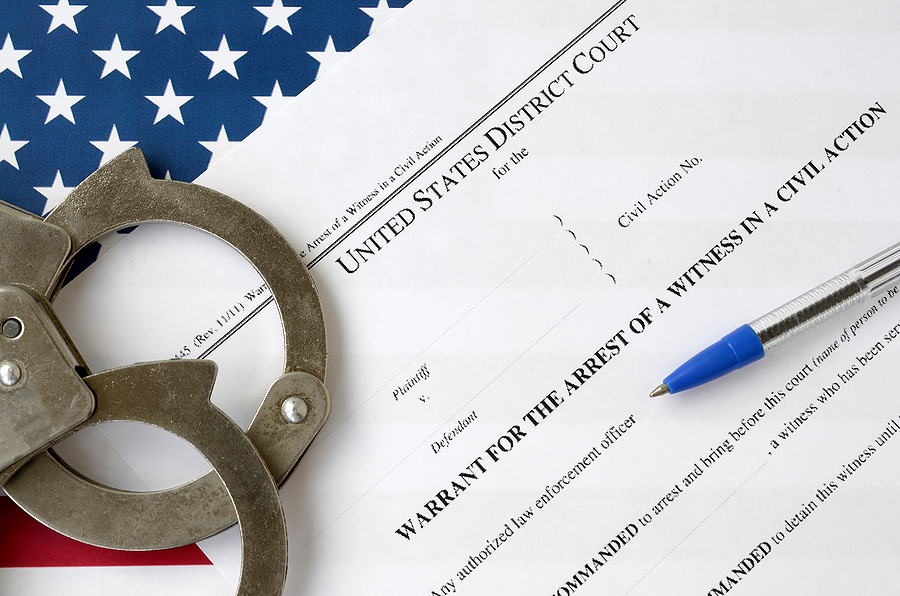
Call 317-876-9600 for Arrest Warrant Bail Bonds in Indianapolis Indiana

Introduction to Indiana Warrants

A warrant is an official legal document issued by a judge or magistrate that authorizes specific actions, typically in relation to law enforcement activities. Warrants often come into play during criminal investigations or when individuals fail to comply with court orders. For Hoosiers (a nickname for Indiana residents), warrants are more than just paperwork—they give law enforcement the legal authority to act in ways that can drastically affect your life. 

By familiarizing yourself with Indiana’s warrant system and acting promptly to address any issues, you can protect your rights and avoid a sudden, unpleasant encounter with the law. 

Types of Indiana Warrants 

Indiana has three primary types of warrants, each with its own purpose and consequences. Let’s break them down: 

Arrest Warrants 

An arrest warrant is issued when a judge believes there’s probable cause that you have committed a crime. This allows law enforcement to take you into custody. 

  • Reasons for Issuance: Serious offenses like theft, assault, or drug possession often result in arrest warrants. Even minor infractions that escalate due to unpaid fines or missed court dates can lead to one. 
  • How to Check for Arrest Warrants: You can check for active arrest warrants in Indiana by contacting your local sheriff’s department or accessing online public records through county court websites. 

Ignoring an arrest warrant could lead to a sudden arrest—often at inconvenient times, like during a traffic stop or even while you’re at home. 

Bench Warrants 

A bench warrant is typically issued for noncompliance with court orders, such as failing to appear in court or not paying a court-ordered fine. 

  • Common Reasons: Missing a court date is one of the most frequent reasons for bench warrants. Other examples include not fulfilling probation requirements or failing to pay restitution. 
  • Process for Recall: To resolve a bench warrant, consult an attorney immediately. They may be able to help you request a recall or surrender voluntarily to minimize penalties. 

Bench warrants are often underestimated. While they might not involve an immediate arrest, the repercussions can still be serious, such as a suspended driver’s license or a tarnished record. 

Search Warrants 

Search warrants give law enforcement the authority to search a specific location for evidence related to a crime. 

  • Criteria for Issuance: Law enforcement must demonstrate probable cause to a judge and outline precisely what and where they plan to search. 
  • Rights of Indiana Residents: It’s important to understand your rights during a search. Law enforcement cannot exceed the scope of the warrant, and you have the right to ask for a copy before the search begins. 

Search warrants reflect the balance between law enforcement needs and protecting your Fourth Amendment rights. Treading carefully when dealing with law enforcement is crucial. 

Consequences of Not Addressing Warrants 

Ignoring a warrant—regardless of type—can have serious legal repercussions, including fines, additional charges, or even incarceration. Arrest warrants and bench warrants, for example, don’t expire. What begins as a minor issue can snowball into a criminal record, financial hardship, and jail time. 

Taking immediate action on warrants can prevent such outcomes and keep your legal situation manageable. 

Steps to Take If You Discover a Warrant 

If you find yourself dealing with an Indiana warrant, here’s a step-by-step guide to address the situation effectively:

  1. Remain Calm – Finding out about a warrant can be frightening, but panicking only makes matters worse. 
  2. Confirm the Warrant – Check with your local court or sheriff’s office to verify the existence and details of the warrant. 
  3. Contact an Attorney – An experienced attorney can guide you through the legal process and help minimize penalties. 
  4. Arrange for Prearranged Bail – For arrest warrants, prearranged bail allows you to surrender on your terms while minimizing time in police custody. 
  5. Turn Yourself in (If Necessary) – For serious matters, surrendering voluntarily demonstrates good faith and may influence how the court views your case. 
  6. Follow All Court Orders – Addressing the warrant doesn’t end once you’ve surrendered. Attend all court appearances and comply with any subsequent orders. 

Prearranged Bail Bonds for Arrest Warrant Surrenders 

Surrendering for an arrest warrant can be intimidating, but prearranged bail bonds offer a safer, more controlled process. Taking this proactive approach can save you time, minimize embarrassment, and lower stress for you and your loved ones. 

Benefits of Prearranged Bail 

By securing bail services in advance, you can significantly reduce the time spent in custody and gain a sense of control over the process. In some cases, a bail bond agent can facilitate an arrest warrant surrender in as little as an hour, from start to finish.

How It Works 

Contact a reputable bail bond company. They’ll guide you through the bail process, help you understand the terms, and assist with posting bond upon your voluntary surrender.  Some bondsmen provide free rides to and from the jail, allowing customers to leave their cars at the agency during the process.

Know Your Legal Rights and Resources 

When facing any type of warrant in Indiana, knowing your rights is essential. Here are some tips and resources to help you along the way: 

  • You Have the Right to Counsel – Always consult a lawyer who specializes in Indiana law to ensure you’re making informed decisions. 
  • Local Legal Aid Organizations – Nonprofit organizations like Indiana Legal Services provide free or low-cost legal support for qualifying individuals. 
  • Community Programs – Some counties offer self-help centers or diversion programs to resolve minor offenses without a court trial. 

Understanding your options will give you a clear path forward and help protect your legal rights. 

RECAP

Indiana warrants may sound intimidating, but with knowledge and prompt action, they don’t have to be life-disrupting. By understanding the various types of warrants—arrest, bench, and search—and taking immediate steps to resolve them, you can protect your record and your peace of mind. 

If you have an arrest warrant, consider prearranged bail to make the surrender process smoother. Don’t hesitate to seek professional legal advice or bail bond services to help you through the process. 

For more insights and assistance with arrest warrant surrenders, connect with an experienced professional today, and take control of your situation. Contact Woods Bail Bonds at 317-876-9600 to set up prearranged bail bond service for warrants and probation violations in Indianapolis, Indiana. Get in and out of jail in as little as an hour!

Related Posts:

Setting Up Prearranged Bail for Outstanding Arrest Warrants in Indianapolis
Your Legal Guide to Dealing With an Arrest Warrant in Indiana
Tips to Navigate Arrest Warrants in Indiana: A Must-Read for Hoosiers

Understanding Indiana Court Requirements After Getting Out of Jail on Bail

Facing legal challenges can be stressful, and for individuals out on bail in Indiana, knowing what to expect and how to comply with court requirements is essential. Bail allows defendants to remain free as they await their hearings, but this freedom comes with responsibilities. This blog will guide you through Indiana’s bail system, court requirements for defendants, and how to stay in compliance to avoid additional legal trouble.

What You’ll Learn

  • How bail works in Indiana
  • Key court requirements for defendants out on bail
  • Consequences of failing to meet bail conditions
  • Expert tips on staying compliant with court orders

Whether you’re navigating the system yourself or supporting a loved one, this guide will help ensure you stay on the right path.

Call 317-876-9600 for 24 Hour Criminal Bail Bond Service in Indianapolis Indiana

Understanding the Bail Bond System in Indiana

Bail serves as a financial guarantee ensuring that defendants will show up for their court dates. Without bail, many defendants would remain in custody while awaiting trial, which can take weeks or months.

Types of Bail in Indiana

There are two primary forms of bail used in Indiana:

  1. Cash Bail – Defendants or their families pay the full bail amount directly to the court. This money is returned upon successful completion of all court appearances and requirements, minus applicable court fees.
  2. Surety Bail – A private bail bond agent can post bail on behalf of the defendant. Typically, the defendant pays a non-refundable fee (usually between 10% and 15% of the total bail amount) to the agent. This option is more common when the bail amount is high and unaffordable upfront.

Factors Determining Bail Amount

Judges in Indiana consider several factors when setting bail, including:

  • Nature of the Offense: Serious crimes generally result in higher bail amounts.
  • Criminal Record: Defendants with a history of legal troubles may face stricter bail conditions.
  • Flight Risk: If the court believes a defendant might not return for their hearing, the bail amount may be increased or denied altogether.
  • Public Safety Risk: For defendants deemed a danger to the community, bail may be denied.

Indiana Court Requirements for Defendants

Being granted bail is not the end of your responsibilities—it’s just the beginning. Once released, defendants must comply with specific conditions set by the court. Failing to do so can lead to severe consequences.

1. Appear at All Scheduled Court Dates

This is the most critical requirement for anyone out on bail. Missing even one court date without prior approval can lead to serious legal consequences, such as the issuance of an arrest warrant.

2. Travel Restrictions

Defendants are often required to remain within a specific jurisdiction, such as their county or state. Traveling outside this area without prior court approval is a violation of bail terms.

3. Avoid Additional Legal Trouble

While out on bail, defendants must steer clear of further legal infractions. Being arrested for a new offense can lead to a revocation of bail and additional charges.

4. Comply with Specific Conditions

Depending on each case, the court may impose extra requirements, such as:

  • Attending rehabilitation programs
  • Avoiding contact with certain individuals
  • Submitting to random drug or alcohol tests

Understanding these requirements is vital to prevent complications with the court system.

Consequences of Failing to Meet Bail Requirements

Defendants who fail to meet bail conditions may face serious consequences. These repercussions can complicate your legal situation and negatively impact the outcome of your case.

Potential Consequences

  • Arrest Warrants – Failing to appear in court or violating a bail condition will likely result in a bench warrant. This means law enforcement can arrest you at any time.
  • Bail Bond Forfeiture – If you used a cash bail, you could lose the amount you or your family posted. For those who worked with a bail bondsman, you could be responsible for repaying the full bail amount to the bond agent.
  • Higher Bail Costs – If you are re-arrested after a violation, the court may impose a higher bail amount for your release—or deny bail altogether.
  • Additional Charges – Missing court dates or violating conditions could result in contempt of court charges, which carry fines, imprisonment, or both.

Tips for Complying with Indiana Bail Requirements

Meeting all court requirements while out on bail doesn’t have to be overwhelming. By taking proactive steps, you can avoid unnecessary complications and remain in good standing with the court.

Stay in Touch with Your Attorney

Your attorney is your best resource for understanding the legal process and ensuring you’re on track. Keep their contact information handy and communicate regularly about any concerns or questions.

Update Contact Information with the Court

Always ensure the court has your current phone number and address. This helps ensure you receive notifications about court dates, requirements, or changes to your case.

Attend All Court Dates

Mark court dates on your calendar and set reminders. If an emergency arises that prevents you from attending, notify your attorney immediately so they can request a rescheduling.

Adhere to Travel Restrictions

If you need to travel for a legitimate reason (e.g., family emergency), discuss the matter with your attorney and seek prior court approval.

Avoid Risky Situations

During this period, avoid situations that could jeopardize your compliance with court requirements. Stay away from substances, activities, or individuals that may lead to trouble.

Keep Important Documents Safe

Maintain copies of your bail agreement, court notices, and any correspondence with your attorney. Being organized ensures you’re prepared if issues arise.

In Summary

Understanding Indiana’s bail requirements and staying compliant is key to resolving your case successfully. Failing to meet obligations can lead to unnecessary legal setbacks, but taking the time to follow court mandates can show responsibility and cooperation. If you’re unsure about your specific bail conditions or need legal guidance, consult an experienced professional (e.g. attorney or bail agent) who can help clarify  your rights.

Are you looking for more information on Indiana bail bonds? We can help. Contact Woods Bail Bonds at 317-876-9600 for 24 hour bail bond services in Indianapolis, Indiana you can trust. We also offer prearranged bail bond service for arrest warrants and probation violations.

Related Posts:

Can I Go on Vacation While Out on Bond in Indiana?
How Long Will I Be Out on Bail?
Common Misconceptions About Getting Out on Bail

Questions an Indiana Bail Bondsman Will Ask You Before Providing Service

Navigating the bail process can be an emotional and overwhelming experience, especially if it’s your first encounter with the legal system. For Indiana residents and families of detainees, understanding how bail bonds work can make all the difference in ensuring a loved one’s timely release. One of the key players in this process is the bail bondsman—a professional who acts as a financial intermediary to help secure the release of detainees from custody.

But before they can assist you, bail bondsmen will often ask for specific information. Being prepared to answer these questions can expedite the process, minimize stress, and get your loved one back home quicker. This post outlines the role of a bail bondsman in Indiana, explains the bail process, and details the essential questions you’ll need to answer during your interaction.

Call 317-876-9600 to Reach Our Indianapolis Indiana Bail Bond Office

What Is the Role of a Bail Bondsman in Indiana?

When someone is arrested, they may have the option to be released from custody until their court date by posting bail. However, bail amounts can often be too high for families to pay upfront. That’s where bail bondsmen come in. For a non-refundable fee—usually around 10% of the total bail amount—these professionals pay the bail on your behalf, ensuring the detainee’s release.

This system provides a critical service, allowing detainees to return home, continue working, and prepare for their trial without spending weeks or even months in detention.

Understanding the Bail Process in Indiana

The bail process in Indiana is designed to ensure that detainees appear at their court dates while giving them the opportunity to remain out of custody. Here’s how it typically works:

  1. Arrest and Booking: The individual is arrested, processed, and placed in jail.
  2. Bail Hearing: A judge sets the bail amount based on factors such as the severity of the crime, flight risk, and ties to the community.
  3. Securing Bail: If the amount is unaffordable, families can turn to a bail bondsman for help.
  4. Release: Once bail is posted, the individual is released on the condition they will attend all scheduled court dates.
  5. Case Resolution: If the detainee appears in court, the bail is returned to the bondsman (minus fees). Failure to comply can result in forfeiture of the bail and additional charges.

Questions Indiana Bail Bondsmen Will Ask You

When you contact a bail bondsman, they’ll need specific information to evaluate your case and proceed with the bail process. Here’s a breakdown of the questions you can expect:

Personal Information and Background

The first step is establishing who you are and your relationship to the detainee. You’ll likely be asked:

  • Your full name and contact information
  • Your relationship to the detainee (e.g., parent, sibling, friend)
  • Whether you’ve worked with a bail bondsman before

This helps the bondsman understand your role in the process and verify that you’re authorized to act on the detainee’s behalf.

Employment and Financial Status

Since bail bonds act as a form of financial agreement, bondsmen need to assess the likelihood that you or the detainee will fulfill the financial obligations. Be prepared to answer questions like:

  • Are you currently employed? Where do you work?
  • What is your monthly income?
  • Do you expect to have trouble paying the bondsman’s fee?

If finances are a concern, some Indiana bail bonds companies may offer payment plans or flexible options. However, transparency about your financial situation is key.

Details of the Arrest and the Detainee

Bail bondsmen need accurate information about the case to get started. You’ll typically need to provide:

  • The detainee’s full name and date of birth
  • The location of their arrest (city or county)
  • The jail where they’re being held

This information allows the bondsman to locate the detainee and confirm the bail amount.

Information About the Charges and Court Dates

Understanding the nature of the charges and upcoming court requirements is crucial for assessing risk. Expect to answer the following:

  • What are the charges against the detainee?
  • Are there any prior charges or history of missed court appearances?
  • When is the next scheduled court date?

This helps the bondsman determine the level of risk they’re taking on by facilitating the bail.

Availability of Collateral and Cosigners

To mitigate risk, bail bondsmen often ask for collateral or cosigners. Not everyone will be required to provide collateral, but having a cosigner can increase your chances of approval.

  • Collateral: Items of value (e.g., property deeds, vehicles, jewelry) offered as a guarantee that bail will be repaid if the detainee fails to appear in court.
  • Cosigners: Additional individuals who commit to being financially responsible if the detainee does not meet their court obligations.

Why Preparation Matters

Providing accurate and detailed answers to these questions is essential for speeding up the process. Here’s why preparation is so important:

  • Reduces Delays: Missing information can hold up the bail process, meaning your loved one spends unnecessary additional time in custody.
  • Builds Trust: Honest communication with the bondsman helps establish credibility, which can lead to more flexible terms.
  • Assesses Feasibility: Transparency enables the bondsman to determine whether they can take on your case.

Tips for Communicating with an Indiana Bail Bondsman

To ensure a smooth experience, keep the following tips in mind:

  • Stay Calm and Organized: Take a deep breath, gather all relevant documents, and have answers ready before your call.
  • Ask Questions: Don’t hesitate to clarify anything you don’t understand—bail bondsmen are there to help you.
  • Provide Accurate Information: Double-check names, dates, and locations to avoid potential delays.
  • Be Honest About Financial Concerns: Many bondsmen are willing to work with you, but only if you’re upfront about your ability to pay.
  • Follow Through: If you agree to terms, make sure to fulfill your obligations promptly to maintain trust and avoid complications.

Conclusion

Engaging with a bail bondsman isn’t just about securing a loved one’s release—it’s about making a difficult process more manageable. These professionals offer invaluable support, guiding you through a system that can feel daunting and offering financial solutions tailored to your situation.

By preparing for their questions and maintaining open communication, Indiana residents can streamline the bail process and ensure their loved ones are back home quickly and safely.

For more information about the bail process in Indiana or to connect with an experienced bail bondsman, don’t hesitate to reach out to a trusted provider in your area. Understanding how this system works today can make all the difference tomorrow.

Stay strong, stay prepared, and remember you are not alone on this journey. Contact Woods Bail Bonds at 317-876-9600 to learn what you need to know about the Indianapolis bail bond process. We serve over 30 counties within Northern, Central, and Southern Indiana, so do not hesitate to call.

Related Posts:

Review of Common Bail Bond Questions and Answers
Common Questions About Bail Bonds
Your Top 3 Indiana Bail Bond Questions Answered Here

Understanding Bail Bonds in Indiana: From Costs to Co-Signing

Navigating the bail bond process can be daunting, especially if you’re unfamiliar with how it works. In Indiana, understanding how to pay for a bail bond is crucial for anyone seeking to secure the release of a loved one or themselves from custody. This guide will take you step-by-step through the bail bond process in Indiana, highlight the various payment options available, and provide tips on choosing a reputable bail bond company.

Call 317-876-9600 When You Need Indiana Bail Bond Assistance

The Bail Bond Process in Indiana

When someone is arrested in Indiana, they may be given the opportunity to post bail, allowing them to remain out of jail until their court date. Bail serves as insurance that the defendant will return for their court proceedings. If you’re new to the bail process, understanding the steps involved is essential.

First, a judge sets the bail amount, considering factors like the severity of the crime, the defendant’s criminal history, and their likelihood of fleeing. After bail is set, the defendant has two options: pay the full bail amount directly to the court (known as a cash bond) or engage a bail bondsman.

A bail bondsman is a licensed agent who provides the court with a surety bond, guaranteeing the defendant’s appearance in court. In exchange for posting bail, the defendant pays the bondsman a non-refundable fee, typically a percentage of the total bail amount. This fee is where the cost aspect of bail bonds becomes critical.

Understanding the Cost of a Bail Bond

In Indiana, the cost of a bail bond is usually 10% to 15% of the total bail amount. For example, if the bail is set at $10,000, and the bail agent charges 10% rate, the defendant would typically pay the bail bondsman $1,000. It’s important to note that this fee is non-refundable, regardless of the outcome of the case.

The cost of securing a bail bond can be a significant financial burden, particularly for middle-income families. Additionally, some bail bond companies might charge additional fees for services like travel, phone calls, or document preparation. Before signing any agreement, ensure you understand all costs involved.

Some states have regulations concerning the maximum fee rates that bail bond companies can charge, but these can vary. In Indiana, it’s essential to research and understand these regulations to avoid overpaying.

Options for Paying for a Bail Bond in Indiana

Paying for a bail bond doesn’t have to be a one-size-fits-all solution. Indiana offers several payment methods to accommodate different financial situations. Here’s how you can pay:

Cash Payment

Paying with cash is a straightforward option if you have the necessary funds available. It involves paying the bail bondsman the full fee upfront. While this method is direct, it may not be feasible for everyone. However, paying in cash can often expedite the process, allowing for a quicker release from custody.

Using Collateral

If cash is not an option, using collateral can be a viable alternative. Collateral can include property, vehicles, jewelry, or other valuable assets. The value of the collateral should match or exceed the bail amount to satisfy the bail bond company.

While using collateral can ease financial pressure, it’s crucial to understand the risks involved. If the defendant fails to appear in court, you risk losing the collateral. Therefore, carefully consider this option and ensure you are comfortable with the potential consequences.

Bail Bond Loans

In some cases, individuals may choose to take out a loan to cover the cost of a bail bond. Bail bond loans are typically offered by specialized lenders who understand the urgency and nature of the bail process. If you’re considering a loan, compare interest rates and terms from different lenders to find the best deal. Keep in mind that taking out a loan for a bail bond can add to your financial obligations, so weigh this decision carefully alongside other options.

Legal Implications and Responsibilities of Cosigning a Bail Bond

Becoming a co-signer on a bail bond is a serious responsibility. When you co-sign, you commit to ensuring the defendant appears in court. If they fail to do so, you may be held financially accountable for the full bail amount.

Before cosigning, have an open discussion with the defendant about their responsibilities and the importance of attending their court dates. Ensure you trust the individual and feel confident that they will meet their obligations. If you’re unsure, it might be wise to seek legal advice before proceeding.

Additionally, understand the implications of bail bond revocation. If the defendant violates bail conditions, the court can revoke the bail, leading to arrest and forfeiture of the bail amount. As a co-signer, you should keep communication lines open with both the defendant and the bail bond company.

Tips for Finding a Reputable Bail Bond Agent in Indiana

Choosing a trustworthy bail bond agent is crucial for a smooth process. Here are some tips to guide your selection:

  • Research and Reviews: Start by researching local bail bond companies and reading customer reviews. Websites like Google or Yelp can provide valuable insights into a company’s reputation.
  • Licensing and Accreditation: Verify that the bail bondsman is licensed to operate in Indiana. You can confirm this information with the state’s Department of Insurance.
  • Transparency: A reputable bail bond agent should be transparent about their fees, processes, and terms. Avoid agents who are vague or unwilling to provide clear answers.
  • Availability: An effective bondsman should be available 24/7, as arrests can happen at any time. Ensure they offer around-the-clock support to address your needs promptly.

Conclusion

Navigating the bail bond process in Indiana can seem overwhelming, but understanding your options and responsibilities can make it manageable. Whether you choose cash, collateral, a payment plan, or a loan, make sure you are informed about each method’s implications.

Finding a reputable bail bond agent is equally important, as they guide you through the process and provide support. By researching and selecting an agent wisely, you’ll ensure a smoother experience.

If you or a loved one needs assistance with bail bonds in Indiana, take the time to consider your payment options and responsibilities. Talk to a trusted bail bondsman, and remember to stay informed every step of the way. For further resources, contact local legal aid organizations or explore government websites dedicated to bail bond information.

Are you looking for more information on bail bonds? We can help. Contact Woods Bail Bonds at 317-876-9600 for 24 hour bail bond services in Indianapolis, Indiana you can trust. We also offer prearranged bail bond service for arrest warrants and probation violations.

Related Posts:

Frequently Asked Questions about Making a Bail Bond Payment
Which Payment Types are Accepted By Bail Bondsmen?
Everything You Need to Know About Bail Money

Get Out of Brownstown Jail: Navigating the Bail Bond Process in Jackson County Indiana

Navigating the legal system can be daunting, especially when a loved one is arrested and detained in jail in Seymour, Indiana. Understanding how to use a bail bond effectively can make this stressful experience smoother and more manageable. This blog post will focus on providing practical advice for families and individuals seeking bail bonds in Jackson County, specifically for those dealing with situations at the Brownstown Jail.

Call 812-333-3399 for 24 Hour Jackson County Bail Bonds in Seymour Indiana

Understanding Bail Bonds in Seymour, Indiana

How Bail Bonds Work

A bail bond serves as an agreement between the court and the individual (or their representative) to ensure the defendant appears for their scheduled court dates after being released from custody. In Indiana, the bail bond process involves paying a percentage of the total bail amount set by the court to a Jackson County bail bondsman, who then guarantees the full bail amount on behalf of the defendant.

Local Laws and Regulations

In Seymour and across Indiana, specific laws govern how bail bonds operate. Indiana is unique in that it offers both surety bonds, typically facilitated through a bail bondsman, and cash bonds, where the full bail amount is paid directly to the court. Understanding these options can help you decide the best approach for your situation.

Types of Bail Bonds

Different types of bail bonds are available, each with its eligibility criteria. Surety bonds, the most common type, require a third-party guarantor. Cash bonds are straightforward but require the total bail amount upfront. Recognizance bonds are less common and involve the defendant’s promise to appear in court without financial assurance. Property bonds can also be used, also known as collateral. This may include stocks, bank accounts, real estate, and vehicles.

Steps to Take When Someone is Arrested

Immediate Actions

Learning that a loved one has been arrested can be overwhelming, but staying calm and taking immediate steps is crucial. First, confirm the arrest and the charges by contacting the Brownstown Jail or a nearby Jackson County bail bond company. Understanding the nature of the charges can help inform your subsequent actions.

Contacting a Bail Bondsman

Once you have confirmed the arrest, contacting a reputable bail bondsman in Seymour is critical. They can provide guidance on the bail bond process and help facilitate the release of your loved one. Look for a Jackson County bondsman with experience and a solid reputation in handling cases similar to yours.

Gathering Necessary Information

Before meeting with a Seymour bail bondsman, gather all necessary information, including the full name of the arrested individual, the nature of the charges, and the amount of bail set by the court. Having this information on hand will expedite the process.

Choosing the Right Bail Bond Agent

Experience and Reputation

Selecting a Jackson County bail bond agency with a proven track record is essential. Experienced agents understand the local legal system intricacies and can offer valuable insights. Research potential agencies by reading reviews and asking for referrals from people you trust.

Payment Options and Fees

Different agencies may offer various payment plans and fee structures. It’s vital to find a bail bondsman whose terms align with your financial situation. Ask about the percentage fee for the bail bond, any additional charges, and the payment methods they accept.

Accessibility and Support

Choose a bail bond agent near the Brownstown jail who is accessible and willing to provide support throughout the process. You’ll want someone responsive to your questions and available to guide you every step of the way.

The Bail Bond Process

Application and Approval

Once you’ve chosen an agent, you’ll need to complete a bail bond application. This document requires details about the defendant and possibly information about the co-signer. The Jackson County bondsman will review the application to assess the risk involved.

Payment and Documentation

After the application is approved, you’ll need to pay the agreed-upon fee, usually a percentage of the total bail amount. The bail bondsman will then prepare the necessary documentation to present to the court, initiating the defendant’s release process.

Release of the Defendant

Once the documentation is processed, the defendant will be released from the Brownstown Jail. This process can vary in time depending on the facility’s procedures and workload.

Responsibilities of the Co-Signer

Legal and Financial Obligations

If you co-sign a bail bond, you’re legally and financially responsible for ensuring the defendant appears in court. Failure to do so could result in forfeiting the total bail amount and additional financial liabilities.

Monitoring Court Dates

It’s essential to keep track of all scheduled court dates and ensure the defendant attends. Missing a court appearance can lead to severe repercussions, including additional charges and arrest warrants.

Communication with the Bondsman

Maintain open communication with your Seymour Indiana bail bondsman throughout the process. Keeping them informed of any changes or issues can prevent complications and ensure a smoother experience.

Post-Release Advice for Cosigners and Defendants

Supporting the Defendant: Once released, supporting the defendant in meeting their legal obligations is crucial. Encourage them to attend all court hearings and comply with any conditions set by the court.

Managing Bail Bond Repayment: If you’ve arranged a payment plan with your bail bondsman, ensure timely payments to avoid additional fees or complications. Open communication can help manage any financial challenges that arise.

Preparing for Court: Assist the defendant in preparing for their court appearances. This may involve gathering documentation, meeting with legal counsel, and understanding the charges they face.

Conclusion

Understanding the bail bond process is vital for anyone dealing with an arrest in Seymour, Indiana, particularly at the Brownstown Jail. By following these outlined steps and tips, you can ensure a more manageable and less stressful experience for you and your loved ones.

If you find yourself needing assistance, don’t hesitate to reach out to local bail bond services for expert guidance and support. They can offer invaluable help during this challenging time, ensuring that your rights and responsibilities are clearly understood and honored.

Are you looking for a honorable bail bond agency in Seymour, Indiana? Look no further! Contact Woods Bail Bonds at 812-333-3399 for 24 hour bail bonds in Jackson County, Indiana. We also offer prearranged bail bond service for arrest warrants.

Related Posts:

How to Quickly Get Someone Out of Jail in Seymour Indiana
Understanding the Laws Surrounding Bail Bonds in Indiana
What You Need to Know Before Hiring a Bail Bondsman for a DUI Arrest

Surrendering to an Arrest Warrant: The Role of a Bail Bondsman

Facing an arrest warrant can be a daunting experience. Whether it’s due to an overlooked court date or unresolved legal matters, the prospect of surrendering may feel overwhelming. However, taking proactive steps to address this issue is crucial. In this guide, we’ll explore how hiring a bail bondsman can help you effectively surrender to an arrest warrant, ensuring a smoother and less stressful process.

Call 317-876-9600 When You Need to Surrender to an Arrest Warrant in Indianapolis Indiana

What is an Arrest Warrant?

An arrest warrant is a legal document issued by a judge or magistrate authorizing law enforcement to detain an individual. This typically occurs when there is probable cause to believe that a person has committed a crime. Arrest warrants can result from various situations, such as unpaid fines, missed court appearances, or criminal charges. Understanding the nature of an arrest warrant is the first step toward resolving it responsibly.

The stress of having an outstanding warrant can be overwhelming, but knowing how to handle the situation can make all the difference. One effective way to address this issue is by hiring a bail bondsman. Bail bond agents are licensed professionals who can assist in the warrant surrender process, ensuring that your rights are protected and the legal procedure is followed correctly. They can provide guidance, financial assistance, and support, helping you resolve your warrant efficiently.

What to Do When You Have an Outstanding Warrant

Discovering that you have an outstanding arrest warrant can be unsettling, but taking immediate action is essential. First and foremost, consult legal counsel to understand the implications of the warrant and your rights. An attorney’s advice will help you make informed decisions about how to proceed with surrendering to authorities. They can explain the legal process, potential consequences, and options available to you.

Acting promptly is crucial when dealing with an outstanding warrant. Avoiding the issue will only exacerbate the situation and could lead to unexpected arrests at inconvenient times. Once you have received legal advice, contact a bail bond company near the jail to discuss your options for surrendering. It’s important to handle the warrant responsibly to prevent further complications and ensure a smoother resolution.

Taking responsibility for an outstanding arrest warrant demonstrates your willingness to resolve the issue. Addressing the warrant head-on, with the help of professionals like attorneys and bail bondsmen, shows the court that you are taking the matter seriously. By actively engaging in the process, you increase your chances of a favorable outcome and minimize potential legal repercussions.

Understanding the Role of a Bail Bond Company in Surrender

When it comes to surrendering to an arrest warrant, a bail bond company can play a pivotal role in simplifying the process. Bail bondsmen are experienced in navigating the complexities of warrant surrender, making them valuable allies in your legal journey. They can provide clarity and guidance, ensuring that you understand each step of the process and what to expect.

One of the primary ways a bail bond agent assists is by facilitating the bail bond process. When you surrender yourself with an outstanding warrant, a bail hearing is typically held to determine the bail amount. If you cannot afford to pay the full bail upfront, a bail bondsman can provide the necessary funds. In exchange for a fee, usually a percentage of the bail amount, the bondsman will post the bail on your behalf, allowing you to be released from custody pending your court date.

The bail bond process for warrant surrender involves several key steps. Once you contact a bail bond company, they will gather information about your warrant, charges, and bail amount. The bondsman will explain the terms and conditions of the bail bond agreement, including any collateral requirements. Once the agreement is signed, the bail bondsman will post the bail with the court, securing your release from custody.

Benefits of Hiring a Bail Bondsman

Hiring a bail bondsman offers numerous benefits, particularly when dealing with an outstanding warrant. One of the primary advantages is the financial relief they provide. Bail amounts can be substantial, and not everyone has the means to pay them in full. Bail bondsmen offer flexible payment plans, allowing you to secure your release without the burden of depleting your savings.

In addition to financial benefits, hiring a bail bondsman can expedite the warrant resolution process. Bail bondsmen are well-versed in the legal system, enabling them to act swiftly and efficiently. They understand the urgency of your situation and work diligently to facilitate your release from custody as quickly as possible. This expeditious approach reduces the stress and uncertainty associated with warrant surrender.

Navigating the legal system can be complex, especially if you’re unfamiliar with the processes involved. Bail bondsmen provide professional guidance and support throughout the warrant surrender process. They can answer your questions, explain legal terminology, and offer reassurance during what can be a challenging time. Having experienced professionals by your side ensures that you make informed decisions and comply with all legal requirements.

How to Choose the Right Bail Bond Agency

Selecting the right bail bond agency is crucial to ensure a smooth and reliable warrant surrender process. Start by considering the agency’s experience and reputation. Look for a company with a proven track record of successfully assisting individuals with warrant surrenders. Online reviews, testimonials, and referrals from legal professionals can provide valuable insights into the agency’s reliability and professionalism.

Working with a licensed and reputable bail bond service is essential for your peace of mind. Licensing ensures that the agency operates legally and adheres to industry standards. A trustworthy agency will have no hesitation in providing proof of their licensing and credentials. Verify that the agency is authorized to operate in your jurisdiction to avoid potential complications.

Availability is another crucial factor when choosing a bail bond agency. Outstanding warrants can be time-sensitive, so it’s vital to work with an agency that offers 24/7 availability. This ensures that you can reach them whenever you need assistance, whether it’s during business hours or in the middle of the night. Prompt and responsive service can make a significant difference in resolving your warrant efficiently.

Conclusion

Surrendering to an arrest warrant can be a daunting endeavor, but it is not one you have to face alone. By understanding the role of a bail bondsman and acting promptly, you can take control of your situation. Hiring a bail bondsman provides essential financial support, expedited release, and expert guidance throughout the process.

For individuals with outstanding warrants, seeking professional assistance is a proactive step toward legal resolution. By addressing the warrant responsibly and enlisting the help of a trusted bail bondsman, you can mitigate potential consequences and work towards a positive outcome. Take charge of your situation today and explore the options available to you.

If you find yourself with an outstanding warrant, don’t delay. Contact Woods Bail Bonds at 317-876-9600 for fast and secure bail bond service in Indianapolis and its surrounding counties. We’re here to help you through every step of the process and ensure you understand all the conditions of your bail. We also offer pre-arranged bail for arrest warrants.

Related Posts:

Tips to Navigate Arrest Warrants in Indiana: A Must-Read for Hoosiers

Advice for Navigating Jail Time After Turning Yourself In
Frequently Asked Questions About Bench Warrants

Bail Bond Rights and Responsibilities: What You Need to Know as a Hoosier

When someone is arrested, one of the primary objectives is to secure their release while awaiting trial. For many Indiana residents, understanding the bail bond process can make this challenging time more manageable. Whether you’re a friend of the accused, a potential co-signer, or someone looking to turn themselves in, knowing your rights and responsibilities within this system is crucial.

Call 317-876-9600 When You Need Local Indianapolis Bail Bond Services

Types of Bail Bonds Available in Indiana

A bail bond is essentially a financial agreement between the court and the accused, backed by a bail bondsman. It serves as a promise that the accused will appear in court for their scheduled hearings. If the accused fails to show, the court forfeits the bond, meaning the full bail amount must be paid.

In Indiana, there are several types of bail bonds available depending on the situation. Surety bonds are the most common, where a bail bondsman provides a bond to the court. Then there’s the cash bond, where the accused or their family pays the full bail amount in cash. Finally, there are recognizance bonds, where the court allows the accused to go free without any payment, based on their promise to return.

The Role of a Bail Bondsman

A bail bondsman plays a crucial role in the bail bond process, acting as a financial intermediary. They charge a fee, usually a percentage of the full bail amount, to post the bond on behalf of the accused. This service allows individuals who can’t afford the entire bail to still secure release. However, it’s essential to understand that failing to meet the terms of the bond can have serious repercussions.

Rights of the Accused and Co-Signers

The Right to Reasonable Bail

Under Indiana law, everyone has the right to reasonable bail unless charged with a grave offense. Reasonable bail aims to ensure the accused can resume their daily lives while awaiting trial, without posing a risk to the community.

Co-Signer Responsibilities

Co-signing a bail bond is a significant responsibility. The co-signer guarantees that the accused will adhere to all bail conditions and attend court hearings. Should the accused fail in these obligations, the co-signer may be financially responsible for the full bail amount, plus any additional fees incurred by the bondsman.

Responsibilities of the Arrested Individual

Appearing for All Court Dates

Once released on bail, the accused must attend all court dates. Missing a hearing while out of jail on a bail bond can lead to the bail being revoked and a warrant issued for their arrest. It also puts the co-signer at risk of financial loss.

Complying with Any Bail Conditions

Beyond attending court, the accused must comply with any conditions set by the court. These may include travel restrictions, regular check-ins with law enforcement, or refraining from contacting certain individuals.

Potential Consequences of Violating Bail Conditions

Violating bail conditions can have dire consequences. The court may issue an arrest warrant and revoke the bail, requiring the accused to remain in custody until the trial. For the co-signer, this can mean facing financial penalties and losing the bail amount posted.

If bail conditions are breached, it’s crucial to act immediately. Contacting the bail bondsman and legal counsel can sometimes remedy the situation, potentially reinstating bail under stricter conditions. Ignoring violations can escalate the matter quickly.

FAQs About Bail Bonds

Can I use a bail bond to get out of jail?

Yes, a bail bond can be used to get out of jail. A bail bond is a type of surety bond that allows an individual to be released from custody while awaiting trial. It acts as a promise that the defendant will appear in court for all required hearings and proceedings. Bail bonds are typically used when the defendant cannot afford to pay the full amount of bail set by the court.

In this situation, a bail bondsman or bail agent can be hired to provide the necessary funds for release. The defendant or their family will usually have to pay a non-refundable fee, usually around 10%  or 15% of the total bail amount, to the bail bondsman. It’s important to note that while a bail bond can help an individual get out of jail, it does not mean they are cleared of the charges against them. It is simply a temporary release until their court date.

How does the bail bond process work?

The first step in the bail bond process is typically for the defendant or their family to contact a bail bondsman. The bondsman will then gather information about the defendant’s case and determine if they are eligible for a bail bond. If approved, the defendant or their family will need to fill out paperwork and pay the non-refundable fee.

The bail bondsman will then post the necessary funds with the court, allowing the defendant to be released from custody. Once released, the defendant will be required to attend all court hearings and follow any conditions set by the court. If they fail to do so, the bail bond may be revoked and the defendant could be sent back to jail.

Are there any risks involved with using a bail bond?

Yes, there are some risks associated with using a bail bond. The biggest risk is that if the defendant fails to appear in court or violates any conditions of their release, they could lose their bail money and potentially face additional charges. It’s also important to carefully review and understand the terms of the bail bond agreement before signing. Some agreements may include hidden fees or require collateral such as property or assets.

Can anyone use a bail bond?

No, not everyone is eligible to use a bail bond. In some cases, the court may deem an individual as a flight risk or consider them too dangerous to be released on bail. In these situations, a bail bond will not be granted. Additionally, if the defendant has a history of failing to appear in court or violating conditions of release, they may also not be eligible for a bail bond.

What happens to the bail money after the case is resolved?

If the defendant appears in court and follows all conditions of their release, the bail money will typically be returned at the end of their case. However, any fees paid to the bail bondsman are non-refundable.

In some cases, the court may also deduct any outstanding fines or fees from the bail money before returning it to the defendant. It’s important for the defendant or their family to keep track of any payments made and ensure they receive the full amount of their bail money back after the case is resolved. 

Conclusion

Understanding the intricacies of the bail bond process in Indiana is vital for anyone involved, whether directly or indirectly. Knowing your rights, responsibilities, and the potential consequences of non-compliance can make a challenging situation more manageable.

If you find yourself or a loved one in need of navigating this process, seek professional advice. Legal experts and bail bondsmen can provide invaluable guidance tailored to your unique circumstances. For more detailed assistance or to begin the bail process, reach out to a trusted bail bondsman in Indiana. They can help you understand your options and make informed decisions.

Stay strong, stay prepared, and remember you are not alone on this journey. Contact Woods Bail Bonds at 317-876-9600 to learn what you need to know about the Indianapolis bail bond process. We serve over 30 counties within Northern, Central, and Southern Indiana, so do not hesitate to call.

Related Posts:

Know Your Rights: The Do’s and Don’ts of Bail Bond Agreements
Freedom’s Path: How to Pick the Perfect Bail Bondsman for Your Situation
Bail Bonds 101: What You Need to Know to Get Your Boyfriend Out of Jail

Navigating Bail Bonds in Spencer Indiana: A Complete Guide

For many Spencer residents, understanding the bail bond process can be both confusing and overwhelming. Whether you’re a legal advice seeker, a potential bail bond client, or simply someone interested in the local legal system of Owen County, this guide will provide you with the information you need. Knowing the ins and outs of the bail bond process is crucial, especially in times of stress when quick decision-making is required. In this blog, you’ll learn about the intricacies of bail bonds in Spencer, Indiana, and gain insights to guide you through every step of the process.

Call 812-333-3399 When You Need Bail Bonds in Spencer Indiana

Understanding the Bail Bond Process

How to Use a Bail Bond to Get Out of Owen County Jail

A bail bond serves as a guarantee that a defendant will appear in court. Instead of paying the full bail amount set by the court, individuals can pay a percentage to a bail bondsman who covers the rest. This ensures that the defendant can be released from Owen County Jail while awaiting trial.

The bail bond process in Spencer begins once a judge sets the bail amount. Typically, a defendant or their family will contact a bail bond agency, which will charge a non-refundable fee, usually around 10% of the total bail. The agency then secures the defendant’s release, with the understanding that they must adhere to the terms of the bail contract.

Types of Bail Bonds Available

In Owen County, there are several types of bail bonds that may be applicable, depending on the nature of the case. Choosing the right type of bail bond depends on financial resources, the nature of the charges, and the risk factors involved. Here are the common kinds of bonds available:

  • Cash Bonds – Paid entirely in cash, these bonds are straightforward but often require large sums of money upfront.
  • Surety Bonds – The most common type, involving a bail bondsman who guarantees the full amount and charges a fee.
  • Property Bonds – Secured by real estate or property, these are accepted only under certain conditions and may involve additional legal steps.

Navigating the Legal System in Spencer

Spencer, situated in Owen County, Indiana, operates under a structured legal system that handles criminal cases efficiently. The Owen County Courthouse is central to the proceedings and is where arraignments, hearings, and trials occur. Understanding the local legal system helps defendants and their families anticipate the steps involved in the legal process.

Legal procedures begin with an arrest, followed by arraignment where bail is set. The Owen County jail holds defendants until bail is posted. Knowing the key locations and processes can simplify the often-daunting task of navigating the legal system.

Legal Requirements for Obtaining a Bail Bond

Obtaining a bail bond in Owen County requires meeting specific legal criteria. First, it’s essential to provide accurate information about the defendant, including their full name, the charges against them, and any previous legal history. Additionally, a reliable co-signer may be necessary to ensure the bail bond terms are honored.

Co-signers play a crucial role, as they agree to take responsibility if the defendant fails to appear in court. They must demonstrate financial capability and trustworthiness, making their selection an important step in the process.

Selecting an Owen County Bail Bond Agency

The choice of a reliable bail bond agency can significantly impact your experience during the legal process. These considerations can help you make an informed decision and ensure a smoother bail process:

  • Reputation – Look for reviews and testimonials to gauge reliability and effectiveness.
  • Fees – Understand the fee structure and ensure there are no hidden costs.
  • Availability – Choose an agency that offers 24/7 support, as legal issues can arise at any time.

Tips for a Smooth Bail Bond Process

For a seamless experience, it’s crucial to communicate openly with your chosen bail bondsman. Be proactive in providing necessary documentation and fully understand the bail contract terms. Ask questions if anything is unclear and follow up regularly to stay informed about your case status. Additionally, maintaining compliance with all court dates and legal requirements is essential to prevent complications or potential forfeiture of the bail bond.

Step-by-Step Guide on Obtaining a Bail Bond in Spencer

Navigating the bail bond process in Spencer involves several steps. These steps ensure that the bail bond process is conducted smoothly and efficiently:

  1. Contact a Bail Bond Agency – Once bail is set, reach out to a reputable bail bond company in Owen County.
  2. Provide Necessary Information – Share details about the defendant and the charges to facilitate the paperwork.
  3. Pay the Required Fee – Pay the bail bond fee, typically 10% to 15%, to secure the bond.
  4. Sign the Bail Contract Review and sign the contract, understanding all obligations involved.
  5. Await Release – After processing, the defendant will be released from Owen County Jail.

What to Expect During the Bail Process

The bail process doesn’t end with release. Defendants must adhere to the conditions set by the court and the bail bondsman. Regular check-ins and compliance with court appearances are mandatory. Failure to comply can lead to additional legal complications or even re-arrest. It’s also essential to stay informed about any changes in court dates or legal requirements, as these can impact the bail bond agreement and the legal outcome.

FAQs About Bail Bonds in Spencer, Indiana

Navigating the bail bond process often leads to questions. Understanding these aspects can alleviate some of the anxieties associated with the bail process. Here are some commonly asked queries:

What if the defendant misses a court date?
If a court date is missed, the bail may be forfeited, and a warrant issued for arrest.

Can bail be refunded?
The fee you pay for bail bond service is non-refundable. You only receive a refund for bail if you pay the entire premium in cash.

Who can be a co-signer?
Generally, a co-signer is a responsible adult with a stable financial background.

Conclusion

Navigating the bail bond process in Spencer, Indiana, requires careful consideration and understanding. By familiarizing yourself with the local legal system, choosing the right bail bond agency, and following the outlined steps, you can manage this challenging situation more effectively. Remember, seeking professional legal advice is always recommended to ensure compliance and to safeguard your rights.

If you’re facing a legal situation that requires bail, don’t hesitate to contact a local bail bond agency in Owen County. They can provide guidance and support throughout the process, helping you make informed decisions every step of the way.

Are you looking for experienced bail assistance for yourself or a loved one in Spencer, Indiana? Contact Woods Bail Bonds at 812-333-3399 for fast and affordable Owen County bail bond services you can trust. We offer prearranged bail bond service for arrest warrants and probation violations, too.

Related Posts:

Freedom’s Path: How to Pick the Perfect Bail Bondsman for Your Situation
Bail Bonds 101: What You Need to Know to Get Your Boyfriend Out of Jail
Navigating Bail Revocation in Indiana: A Guide for Defendants

Navigating the Complex Landscape of Bail Forfeiture in Indiana

Understanding legal processes can be daunting, especially when it comes to bail forfeiture. If you’re an Indiana resident, a bail bond seeker, or someone currently out on bail, this guide is tailored for you. We’re here to demystify the intricacies of bail forfeiture in Indiana, offering insights and practical advice to help you manage this challenging situation effectively.

Call 317-876-9600 When You Need Bail Service Near Indianapolis Indiana

What is Bail Forfeiture?

Bail forfeiture might sound complex, but it’s essentially what happens when someone fails to comply with the terms of their bail. In Indiana, as in most states, bail is a financial assurance that the accused will appear in court when required. When they don’t, this bond can be forfeited. This section aims to provide a foundational understanding of what bail forfeiture entails, why it occurs, and its implications for those involved.

When a defendant is granted bail, it’s generally contingent upon their adherence to specific conditions, most notably showing up for all scheduled court appearances. If these conditions are breached, the court may demand the bail amount as a penalty, a process known as bail forfeiture. It’s crucial for individuals out on bail to comprehend this concept, as it directly impacts both their financial situation and legal standing.

Understanding bail forfeiture isn’t just about grasping what happens if you miss a court date. It involves recognizing the broader implications, such as how it affects your legal rights and responsibilities. Being informed can help Indiana residents and bail bond seekers make educated decisions and potentially avoid the pitfalls of forfeiture.

How Bail is Forfeited in Indiana

Navigating the bail forfeiture process in Indiana involves several steps, each with its own legal nuances. Familiarizing yourself with these steps ensures you can respond appropriately if faced with forfeiture.

The first step in the bail forfeiture process is typically the issuance of a bench warrant when a defendant fails to appear in court. This signals the beginning of the forfeiture procedure, as the court seeks to uphold its authority and ensure compliance. At this point, the defendant’s bail may be at risk, requiring immediate attention to address the situation.

Next, the court will notify the surety—the entity or individual who provided the bail—of the impending forfeiture. This notification is a critical juncture, offering an opportunity to rectify the situation and avoid forfeiture. Understanding the legal steps available, such as proving a valid reason for the absence, can be pivotal in preventing the loss of bail.

Finally, if the court proceeds with forfeiture, the full bail amount becomes due. It’s essential to understand that this process isn’t necessarily irreversible. With appropriate legal guidance, there may be avenues for appeal or negotiation, which can mitigate the financial and legal impact on the accused and their surety.

Reasons for Bail Forfeiture

Bail forfeiture can result from various triggers, some more common than others. Knowing these triggers helps you avoid falling into the pitfalls that lead to forfeiture. Let’s explore some of the frequent causes and offer strategies to steer clear of them.

A primary reason for bail forfeiture is a failure to appear in court. This might seem straightforward, but numerous factors, such as misunderstanding court dates or logistical challenges, can contribute to this oversight. Staying organized and in regular contact with your legal representative can help in mitigating this risk.

Another trigger for forfeiture is violating other bail conditions, such as engaging in criminal activity or leaving a designated area without permission. These conditions are in place to ensure the defendant remains accountable and accessible to the court. Awareness and strict compliance with all bail conditions are key to preventing forfeiture.

Lastly, communication breakdowns between the accused, their attorney, and the surety can also lead to forfeiture. Maintaining open channels of communication and promptly addressing any potential issues is vital. This proactive approach can significantly reduce the chances of facing bail forfeiture in Indiana.

Rights and Responsibilities of All Parties

Understanding the rights and responsibilities of all parties involved in bail forfeiture is crucial to navigating the process effectively. For the accused, the primary responsibility is to adhere to the bail conditions set forth by the court. This includes appearing at all scheduled hearings and complying with any additional terms. In return, the accused has the right to a fair process, including the opportunity to contest the forfeiture if circumstances warrant.

The surety, often a bail bondsman, also has specific responsibilities. They must ensure the defendant’s compliance and act as a liaison with the court if issues arise. In case of forfeiture, the surety has the right to seek resolution, whether through negotiation or legal intervention, to potentially recover the forfeited bail.

The court’s role is to oversee and enforce the bail agreement, ensuring that justice is upheld. While the court has the authority to initiate forfeiture, it also bears the responsibility to consider any valid defenses or explanations provided by the accused or surety. This balance of power and accountability is fundamental to the fairness of the bail forfeiture process.

The Role of Bail Bondsmen in the Forfeiture Process

Bail bondsmen play a pivotal role in the bail forfeiture process, acting as both a financial resource and an intermediary for the accused. Understanding their role can provide clarity on how they influence and aid in navigating bail-related challenges.

A bail bondsman provides the surety needed for an accused individual to be released from custody. They assume responsibility for the defendant’s compliance with bail conditions, making them a key player in preventing forfeiture. If forfeiture looms, the bondsman often takes proactive measures to locate and present the accused in court.

In the event of forfeiture, the financial implications for the accused can be significant. The bondsman may initiate recovery actions to recoup the bail amount, which can add stress and urgency to an already complex situation. However, working closely with a bondsman who understands the legal landscape can offer pathways to resolve issues amicably.

For the accused, building a strong relationship with their bondsman is advantageous. Open communication and mutual understanding can lead to better coordination and support, reducing the likelihood of facing forfeiture and its associated consequences.

How to Navigate Bail Forfeiture

When confronted with bail forfeiture, knowing how to respond can make a world of difference. This section provides expert tips and legal options to help you manage and possibly overturn a forfeiture decision. First, seek legal counsel immediately. An experienced attorney can assess your situation, guide you through the legal steps necessary to contest the forfeiture, and potentially negotiate with the court on your behalf. Legal expertise is invaluable in navigating the complexities of bail forfeiture.

Consider filing a motion to set aside the forfeiture if there is a valid reason for missing a court appearance. This motion provides an opportunity to explain extenuating circumstances, such as a medical emergency or other unavoidable events. Presenting compelling evidence can sway the court’s decision in your favor.

Lastly, explore settlement options with the surety provider and court. Depending on the circumstances, there might be room for negotiation, allowing you to resolve the issue without the full financial burden of forfeiture. This approach requires clear communication and a willingness to collaborate with all parties involved.

Conclusion

Bail forfeiture is a critical aspect of the legal system that directly impacts individuals and their communities. By understanding its nuances and responsibilities, Indiana residents and bail bond seekers can better protect themselves and make informed decisions.

Knowledge is power. By being proactive, staying informed, and seeking appropriate legal assistance, you can effectively manage bail forfeiture and its implications. Engage with your local legal resources, educate yourself on your rights, and connect with others who share similar experiences.

For those seeking further guidance, consider reaching out to legal professionals specializing in bail forfeiture who can provide tailored advice and support. Empowering yourself with this knowledge not only safeguards your interests but also strengthens the community’s collective ability to handle bail-related challenges.

If you or a loved one needs help with bail bond services, there are a number of resources available. Start by contacting Woods Bail Bonds at 317-876-9600 for 24 hour bail bond services in Marion County you can trust. We also offer prearranged bail bond service for arrest warrants.

Related Posts:

10 Questions You Need to Ask Your Indianapolis Bail Bondsman
Navigating Bail Revocation in Indiana: A Guide for Defendants
When Bail CANNOT Be Revoked

Know Your Rights: The Do’s and Don’ts of Bail Bond Agreements

Navigating the judicial system can be overwhelming, especially when it involves bail bonds. For many, understanding the intricate details of bail bond agreements is crucial but often overlooked. This blog aims to provide legal advice seekers and bail bond clients with essential insights into the do’s and don’ts of bail bond agreements. By the end of this read, you’ll have a clearer picture of your rights and responsibilities, helping you confidently traverse this complex territory.

Call 317-876-9600 for 24 Hour Bail Bond Assistance Near Indianapolis

Understanding Bail Bonds and the Process Surrounding Them

Before we jump into the specifics, it’s essential to grasp what bail bonds are. Simply put, bail bonds are financial agreements that allow a defendant to be released from custody, ensuring they will appear at all required court dates. A bail bondsman acts as a guarantor, securing the release of the defendant in exchange for a fee or collateral.

Understanding your rights in this context is paramount. Knowing what is expected of you and what you can expect from the bail bondsman can prevent unnecessary complications. Your liberty and legal standing hang in the balance, making it vital to be well-informed about every aspect of bail bonds.

The Do’s of Bail Bond Agreements

When it comes to bail bond agreements, there are certain actions you must prioritize to maintain a smooth process. One of the most critical steps is promptly attending all court appearances. Courts view defendants seriously when they fulfill their obligations, which can positively influence future proceedings.

Informing your bondsman about any changes in your circumstances is equally essential. Whether it’s a change of address, contact information, or employment status, keeping your bail bondsman updated demonstrates responsibility and transparency. It helps them support you better and ensures that all parties are on the same page.

Lastly, understanding the terms of your agreement is a must. Familiarize yourself with the details of your bail bond agreement, such as payment terms, legal obligations, and any conditions of release. This knowledge empowers you to make informed decisions and avoid unnecessary breaches of contract.

The Don’ts of Bail Bond Agreements

While there are crucial actions to take, there are also behaviors to avoid in bail bond agreements. First and foremost, never skip town or violate any terms of your release. Doing so will likely lead to bail forfeiture, meaning you could lose any money or collateral put up for your release.

Failing to pay the agreed premium is another critical mistake to avoid. Your bail bondsman provides a valuable service, and honoring your financial commitment is a part of maintaining a good-standing relationship. Ignoring these obligations can lead to severe consequences, including bail revocation and possible legal action.

Lastly, making false statements to the bondsman can jeopardize your entire agreement. Honesty is the best policy; misleading your bondsman can result in a lack of trust and potential legal repercussions, complicating your situation further.

Legal Rights and Responsibilities

In the realm of bail bonds, it’s essential to know your legal rights and responsibilities. The U.S. Constitution offers several protections to defendants, including the right to a fair trial and protection against excessive bail. These rights are designed to ensure justice and fairness within the legal system.

Should any issues arise with your bail bondsman, understanding your options for legal recourse is vital. If a bond violation occurs, you may need to consult with a legal professional to explore potential solutions. Knowing the ins and outs of your situation can make a significant difference in navigating these challenges.

It’s your responsibility to comply with the terms set by the court and your bail bondsman. However, if you believe your rights have been violated, don’t hesitate to seek legal advice to safeguard your position and ensure just treatment.

Common Misconceptions

Misconceptions about bail bonds abound, often leading to confusion and misguided actions. One common myth is that bail bondsmen have unchecked authority over you. In reality, while they play a crucial role in your release, they must also operate within legal boundaries.

Another misconception is that skipping bail is an easy exit. The consequences of bail forfeiture are severe, including potential arrest and additional charges. It’s crucial to understand the weight of these actions before considering any breaches of your bail conditions.

Lastly, some believe that providing collateral means automatic bail approval. While collateral may secure the bond, other factors, such as the defendant’s flight risk and criminal history, significantly influence the court’s decisions.

Conclusion

In summary, understanding the do’s and don’ts of bail bond agreements is crucial for anyone navigating the legal landscape. By attending court appearances, keeping lines of communication open, and understanding your agreement, you are setting yourself up for legal success. Conversely, avoiding violations, meeting financial obligations, and being honest with your bondsman are fundamental to maintaining a healthy agreement.

Remember, you are not alone in this process. Seeking legal advice can be invaluable, ensuring you remain informed and protected throughout your legal journey. Should you have further questions or require assistance with bail, don’t hesitate to reach out to professional legal services for guidance.

Ultimately, being informed about your rights and responsibilities empowers you to interact with the legal system confidently and efficiently. Stay proactive, stay informed, and protect your freedoms.

Are you ready to get a friend, co-worker, or loved one out of jail in Indy? Contact Woods Bail Bonds at 317-876-9600 for speedy and secure bail bond services in Indianapolis, Indiana. We offer prearranged bail bond service for arrest warrants and probation violations, too.

Related Posts:

Guide to the Indiana Bail Bond Cosigning Process: A Lifeline for a Friend in Need
What You Need to Know About Indiana Bail Bond Conditions
Understanding the Impact of Co-Signing for a Bail Bond on Your Credit Score