Lawrence County Bail Bonds: Your Key to Freedom in Bedford Indiana

For those finding themselves in the precarious position of needing bail in Lawrence County, Indiana, the term ‘bail bond’ can be the beacon of hope. However, it is not just a term but a process that holds the key to your or your loved one’s release from incarceration. Understanding the intricate dance of legal requirements and leveraging the assistance of trusted bail bond agents in Bedford can make all the difference.

In this in-depth exploration, we’ll demystify the Lawrence County bail bond system, reveal the role of bail bond agents in Bedford, and convey the benefits of securing a bail bond. Whether you are facing an arrest warrant, are a legal professional, or simply an informed citizen, this post aims to equip you with knowledge that could be invaluable in a time of legal need.

Call 812-333-3399 for 24 Hour Bail Bonds in Lawrence County, Bedford, Indiana

Understanding the Beford, Indiana Bail Bonds System

Navigating the legal labyrinth of Indiana’s bail bond system is the first challenge for many. The process begins as soon as a person is arrested and continues until a final judgment is reached in the court. While bail is not a guaranteed right in every circumstance, judges strive to set it unless the defendant poses a flight risk, a danger to the community, or interference with the legal process is likely.

In Lawrence County, Indiana, bail amounts are determined by the nature of the crime, the defendant’s background, ties to the community, and other pertinent factors. Once set, a defendant has the option to pay the full amount in cash or engage the services of a bail bond agent.

The Role of Lawrence County Bail Bondsmen

Bail bond agents are more than financial intermediaries; they serve as a safeguard for the legal system as well. Their role includes ensuring that the defendant attends all their court proceedings, and in cases where they don’t, the agents are responsible for bringing the defendant back to court. Agents, often experienced with local law enforcement and judicial procedures, facilitate a smoother transition from jail to the legal resumption process.

These professionals guide you through the necessary paperwork and make obtaining a bail bond a streamlined process, especially in times when you aren’t thinking clearly due to the stress of the situation.

How to Secure a Bail Bond in Lawrence County

For those unfamiliar with the process, securing a bail bond can be daunting. It typically begins with contacting a bail bond company. The company will assess the situation and the defendant’s background to determine if they can and will secure the bond. It’s important to remember that while your personal information is required, it is kept highly confidential.

The next steps involve filing an application and providing the fee, which is a percentage of the total bail amount. The Bedford Indiana bail bond company then posts the bond at the Lawrence County jail or courthouse, and the release process begins. It’s crucial to understand that should the defendant fail to appear in court, the person who guaranteed or secured the bail bond will be held accountable.

The Benefits of Using a Bedford Bail Bonds Service

The benefits of enlisting the services of a local bail bonds agent cannot be overstated. They provide a lifeline of support, expertise, and expedited action which can significantly reduce the time a defendant spends in jail. The relationships and knowledge that these agents hold with the local legal system can make the difference between a case proceeding smoothly and encountering unnecessary hurdles. Their services often extend beyond the mere act of bonding, offering advice, and ensuring that all parties understand the legal obligations associated with the bail bond agreement.

Understanding Your Rights and Responsibilities

Following instructions and being knowledgeable about your rights and responsibilities is critical in the bail bond process. This understanding helps protect the interests of all parties involved, ensuring that the legal system operates as it is intended.

For the defendant, appearing at all court dates on time and avoiding additional legal complications is vital. For the person securing the bail bond, be it a family member or friend, financial responsibilities, and the obligation to ensure the defendant’s adherence to legal requirements are paramount.

Conclusion

The Lawrence County Indiana bail bond system and the professionals who operate within it are critical components of the American legal framework. The release from incarceration through a bail bond service is a bridge to freedom for defendants, allowing them to prepare for their legal case without the confines of jail walls. Seeking the services of a reputable bail bond agent not only ensures expedited release but also offers a wealth of support and knowledge during a time of significant stress and uncertainty.

If you or a loved one requires assistance with bail bonds in Bedford, Indiana, remember that professional help is just a call away. Encourage the stressed, the anxious, and the uninitiated to seek the support they need to move through this phase as effectively as possible.

Don’t face these challenges alone – reach out and take the first step towards regaining your freedom and peace of mind. For any further queries or immediate assistance with bail bonds in Bedford, Indiana, call 812-333-3399 to speak with the local Lawrence County bail bondsmen at Woods Bail Bonds. We also offer prearranged bail bond service for arrest warrants and probation violations.

Related Posts:

My Friend Was Just Arrested. What Happens Next?
Legal Guidance: What to Do when a Loved One is Arrested
The Role of Bail Bonds in Indiana’s Legal System

Steps to Take Immediately After a Loved One’s Arrest in Lake County Indiana

The moment you learn that a loved one has been arrested in Lake County can be one of the most harrowing experiences of your life. You’re thrust into a tumultuous storm of emotions, forced to juggle your immediate concerns for their well-being with the complex labyrinth of legal processes that lie ahead. In Gary, Indiana, like any city, the pathway to resolution is fraught with challenges and details that can easily overwhelm an unprepared family.

Here, we’ll guide you through the crucial actions to take in the aftermath of an arrest. This isn’t just about getting through the next 24 hours; it’s about equipping yourself with the knowledge needed to support your loved one as you both tackle the Indiana legal system in this critical time. Whether it’s your spouse, your child, or a close friend, these steps can help bring some control back to a chaotic situation and ensure your loved one’s best possible outcome.

Call 812-333-3399 When You Need a 24 HR Bail Bondsman in Lake County Indiana

Understanding the Arrest Process in Lake County

Before you can take action, you need to understand the road that lies ahead. Every arrest follows a set procedure, and comprehension of this process is pivotal to making informed decisions. An arrest in Lake County, Indiana typically begins with the police informing the individual of their Miranda rights (the right to remain silent, the right to an attorney, etc.) and then the individual is taken to a holding facility. Beyond these initial steps, the specifics of the process can vary. This is why contacting legal counsel immediately is paramount—they can guide you through what to expect next.

Your Loved One’s Rights

In Gary, Indiana, just like in any part of the country, your loved one has rights. They have the right to remain silent and the right to ask for and retain an attorney. Encourage them to exercise these rights until legal representation can be obtained. The fewer statements they make without a lawyer present, the better.

Arrest Records

An arrest record contains a variety of information, including personal details, charges, any associated bail, and other essential data about the arrest. This record forms the basis of the legal case and is what you need to obtain as soon as possible after the arrest.

Steps to Take Immediately After an Arrest in Gary, Indiana

Once the initial shock has lessened, it’s time to act. The first hours after an arrest are critical for the person detained, and they’re crucial for setting the stage for the legal process that follows. Here are some essential next steps:

Contact a Lake County Bail Bond Company

If the court grants bail, you’ll want to secure their release quickly. A trustworthy bail bond company in Lake County can assist with this process. They will know the local jail systems and can offer information on the specific arrest and the bail amount set.

Notify Employers or Educational Institutions

If applicable, inform your loved one’s employer or school about the situation. This transparency can protect your loved one’s job or education and may offer some degree of leniency during this difficult time. Unexcused absences can be a challenge to dispute after the fact.

Decide on Legal Representation

Securing legal counsel is imperative. You’ll need to decide whether to hire a private attorney, who can be expensive but may offer more individualized attention, or to rely on a public defender, who is assigned to individuals who cannot afford a lawyer. Public defenders are often skilled lawyers, but they are typically overworked and may not be able to dedicate as much time to the case as a private attorney. Make this decision swiftly and with careful consideration.

Navigating the Legal Process After Being Arrested

Now that you’ve taken the initial steps, it’s crucial to understand what comes next, and how you can support your loved one through this process.

Bail Hearing

Your loved one’s eligibility for bail is determined at a bail hearing. The judge will assess the likelihood of the person showing up for court and the person’s ties to the local community. Ensuring that you have all the information the court may need to make this decision (such as employment verification, community ties, etc.) can be essential in securing their release.

Arraignment

At the arraignment, your loved one will be formally charged, and they will be asked to enter a plea. This is a straightforward process, but it is vital that they have representation to ensure their rights are protected and that they are informed about the implications of their plea.

Trial and Sentencing

If the case goes to trial, this is where the bulk of the legal process occurs. Preparation and strategy are crucial, and your loved one’s attorney will guide you both through this. Sentencing, if there’s a conviction, will occur at a later date and will depend on a variety of factors, including the nature of the crime and prior criminal history.

Resources for Families

At any step of this process, it’s crucial to remember you’re not alone. There are resources available to provide the support you need. Organizations like the Indiana Public Defenders Council and the Indiana Department of Correction can offer insight into the legal system and support for families dealing with an incarcerated loved one. Legal aid societies can often provide free or low-cost legal services to those who qualify based on income. This can be a crucial lifeline for families who find the cost of legal representation to be prohibitively expensive.

Conclusion

Facing the reality of a loved one’s arrest in Lake County, Gary, Indiana is one of the most challenging experiences any family can endure. Knowledge, clear thinking, and swift action are your allies in navigating this troubled time. By understanding the steps to take immediately and the legal process that follows, you can empower yourself to make the best decisions for your family and ensure the best possible outcome for your loved one.

Remember, in the face of a beloved family member’s arrest, the steps you take or do not take will have a direct impact on their future. Seek out help, lean on your support network, and arm yourself with the resources needed to face this colossal challenge.

Are you ready to get your loved one out of Lake County Jail? Contact Woods Bail Bonds at 812-333-3399 for fast and secure bail bond services in Gary, Indiana. We offer prearranged bail bond service for arrest warrants and probation violations, too.

Related Posts:

Reasons Why You Should Not Let Your Loved One Stay in Jail
How Much Does a Felony Bail Bond Cost in Indiana?
Explaining the Process of Posting a Bond for Someone Else

Navigating Indiana’s Citation Release System

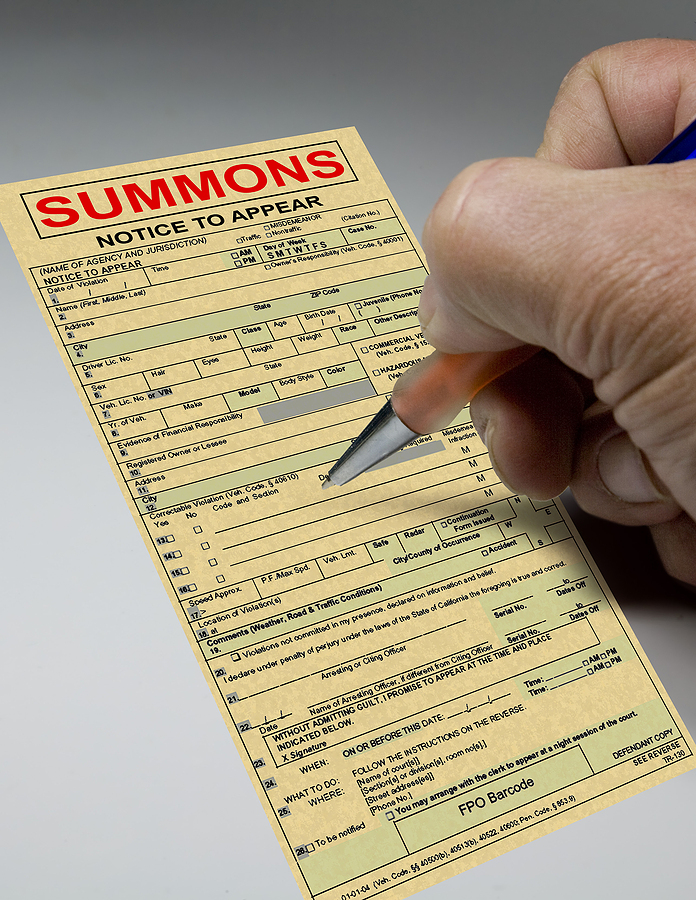
Finding yourself on the wrong side of the law can be a bewildering experience, especially when it’s your first brush with legal trouble. Indiana, like most states, has a straightforward system in place for minor offenses that doesn’t always necessitate the traditional bail bond process. In this overview, we’ll explore Indiana’s citation release system and when it is applicable for residents who have encountered legal trouble for the first time.

Call 317-876-9600 for Arrest Warrant Bail Bonds in Indianapolis

Understanding Indiana’s Citation Release

What is a Citation Release?

In Indiana, individuals arrested for certain non-violent misdemeanors or infractions may be eligible for a citation release, which allows them to be released from custody without the need to post bail. Instead of being taken to jail, the officer has the discretion to write a citation with a court date, after which the individual is free to go. This system aims to reduce overcrowding in jails and allows law enforcement resources to be focused on more serious offenses.

Qualifying Offenses for Citation Release

Offenses that typically qualify for citation release in Indiana include:

  • Minor drug offenses, such as possession of small amounts of marijuana
  • Petty theft or shoplifting below a certain dollar amount
  • Traffic violations

However, the specifics can vary by county and depend on the circumstances of the case. Always consult with legal counsel to determine eligibility for citation release.

Do You Need a Bail Bond for a Citation Release?

For those released via citation, there is no need for bail since they do not go to jail. However, a bail bond might be required if the defendant does not fulfill their citation release conditions. In such a case, an arrest warrant would be issued, and the defendant would need to turn themselves in. A bail bondsman can provide prearranged bail bond services for those surrendering to a warrant. This speeds up the process and gets the individual out of jail faster.

Do You Need a Bail Bond?

For those who are not granted a citation, and instead taken to jail, the question of a bail bond becomes pivotal. A bail bond is a financial guarantee that the defendant will appear at all scheduled court dates. Basically, it is a promise (backed by a lot of money) that they won’t flee. It is usually required for more serious offenses or for individuals with a past record. Determining factors for needing a bail bond include:

  • The nature and severity of the crime
  • Prior criminal activity by the individual
  • Whether the defendant is considered a flight risk

Bail Bond Payment Options:

There are several ways to pay for a bail bond:

  • Paying the full bail amount in cash or cashier’s check
  • Utilizing collateral, such as property or valuable assets
  • Hiring a bail bond agency that requires a, upfront non-refundable fee, usually 10%-15% of the bail, to act as a surety for the full amount

Steps in Securing a Bail Bond

With a bail bond, the process typically involves:

  1. Contacting a bail bondsman who will ask for details of the case and the amount of bail set by the court
  2. The co-signer (usually a family member or friend of the defendant) fills out an application and pays the premium, usually 10-15% of the bail amount
  3. The bail bondsman posts the bond and the defendant is released, with the understanding that they will appear in court when required

Common Requirements and Costs

Bail bond requirements and associated costs can vary, but some common ones include the co-signer needing to be 18 years old or older, having a valid government-issued ID, and paying the premium upfront. Costs can range from a few hundred to several thousand dollars, depending on the bail amount set by the court.

Insight for First-Time Offenders

Supportive Advice for a Challenging Time

The experience of a first offense can be overwhelming, but it’s important to remain calm and take the situation seriously. Seeking legal counsel and understanding your rights are paramount. Remember, admitting guilt may have long-term consequences, especially if you intend to fight the charges or if your future may depend on maintaining a clean criminal record.

Resources for Understanding Legal Rights

There are various resources available to individuals facing legal trouble for the first time. Local legal aid societies often provide low-cost or free legal services for qualifying individuals. Additionally, public defenders are available for those who cannot afford to hire an attorney. You may also want to seek information on diversion programs that could offer a path to avoiding formal charges.

Conclusion

Understanding Indiana’s citation release system and knowing when a bail bond may be necessary is crucial for any resident facing legal trouble. This comprehension ensures the proper steps are taken to secure timely release, with minimal financial burden, for those who qualify for citation releases. If the situation escalates to requiring a bail bond, seeking guidance from a reputable bail bondsman is the next logical step.

For those navigating their first encounter with the law, remember that accessing resources and legal support can significantly influence the outcome of your case. While this guide provides a broad understanding, individual cases may require specific legal advice.

If you find yourself in need of legal support or a bail bond, do not hesitate to reach out to professionals who can provide personalized guidance. Contact Woods Bail Bonds at 317-876-9600 for 24 hour bail bond services in Indianapolis, Indiana you can trust. We also offer prearranged bail bond service for arrest warrants and probation violations.

Related Posts:

The Benefits of a Pre-Trial Release
Can I Be Arrested For Making Prank Calls?
My Friend Was Just Arrested. What Happens Next?

Navigating  Nashville Indiana Bail Bonds: How to Assist a Friend in Brown County Jail

Finding yourself or someone close in the unexpected situation of needing a bail bond can be overwhelming, especially if you’re unfamiliar with the process. For those in Nashville, Indiana, and its visitors, being knowledgeable about the local bail system in Brown County can mean the difference between a swift resolution and prolonged uncertainty.

This comprehensive guide is designed to arm you with the knowledge essential to navigating Nashville Indiana’s bail bonds system, enabling you to assist a friend or family member when they need it most.

Call 812-333-3399 for Brown County Indiana Bail Bonds

Understanding the Bail Process in Nashville, Indiana

Nashville, Indiana, may evoke images of its vibrant tourist scene, but for those entangled within its legal system, understanding the local bail bond process is crucial. The bail system in Nashville works much like the rest of the state, with the primary goal being to ensure that the accused appears in court for their scheduled hearings.

When an individual is arrested in Brown County, Indiana, for a crime, they are taken into custody and booked into the local jail. A bail hearing then typically takes place, at which time a judge will set a bail amount based on various factors, including the severity of the offense and the individual’s criminal history. To secure the release of the detained individual before their court date, a bail bond can be posted.

Types of Bail Bonds in Brown County IN

Nashville and Brown County offer several options for posting bail, each with its own conditions and procedures. These include:

  • Cash Bail: The full amount of the bail is paid in cash or a cash equivalent, which is refunded if the defendant appears at all their court dates but is forfeited if they do not.
  • Surety Bond: This type of bail involves a third-party surety, usually a bail bondsman, who guarantees the court that they will pay the full bail amount if the defendant misses their court date.
  • Property Bond: Some states and jurisdictions allow defendants to use property, such as a home or land, as collateral against their bail bond.
  • Citation Release: For minor offenses, law enforcement can issue a citation instead of detaining the individual, with a promise to appear in court on a specified date.

Understanding these options is imperative, as they can have varying financial implications and legal responsibilities.

The Average Cost of a Bail Bond in Brown County

The cost of a bail bond in Brown County, Indiana can vary widely, depending on the bail amount set by the judge. Bail bond companies usually charge a non-refundable fee, which in Indiana is set at 10% to 15% of the bail amount for the bond.

For example, if the bail is set at $5,000, the fee for a bail bondsman’s service would be $500. But it’s not this simple, as other charges and fees may apply. Understanding these costs beforehand helps to manage expectations and finances effectively.

Assisting a Friend in Jail: What to Do Next

Discovering a friend is in jail can be alarming, but there are immediate steps you can take to help ensure their proper assistance.

Steps to Take When a Friend Is in Jail

  1. Find Out Where They Are: Upon arrest, your friend should be able to inform you of their location and the nature of the charges. If not, you can call the local Brown County police department or jail and ask.
  2. Contact a Bail Agent: Bail bonds are crucial, so initiate the process of finding a good bail bond company that can offer 24 hour bail bond assistance in the county of arrest.
  3. Get the Bail Amount: To assist them with securing bail, determine the amount set and the types of bail accepted, which can be obtained from your friend or through legal channels.

Finding a Reputable Bail Bondsman in Nashville, Indiana

It’s essential to work with a trustworthy and experienced bail bondsman when seeking a bond in Nashville, Indiana. Look for a licensed professional with a solid reputation who can guide you through the process and answer your questions with clarity.

Ask for recommendations from local attorneys and consult online reviews to gauge the bail bondsman’s reliability and track record. Transparency about fees and any potential risks involved in the process is a positive indicator of a reputable bail bondsman.

Understanding Liability as a Cosigner

Cosigning for a bail bond is a significant responsibility and should not be taken lightly. As a cosigner, you are guaranteeing that the defendant will appear at all of their court dates. If they fail to do so, you are liable for the full bail amount, as well as any additional expenses the bail bondsman incurs.

Consider the implications carefully before agreeing to be a cosigner, and ensure you have clear communication with the defendant to understand their commitment to court appearances.

Local Insights and Resources

For a smoother experience with the bail process in Nashville and Brown County, Indiana, tap into local resources that can offer insights and support.

Community Support and Information

Engage with local support groups or organizations that specialize in assisting with legal matters. They can provide community-specific guidance and may even offer connections to legal professionals and bail bond experts.

Legal Aid Clinics

In cases where financial resources for legal assistance are limited, Legal Aid Clinics can be a valuable resource, offering free or low-cost legal services to qualified individuals. They can provide counsel on navigating the bail process and connecting you with reliable bail bond companies.

Available Technology and Applications

Take advantage of modern solutions, such as mobile apps designed to help process bail bonds more efficiently. Some apps offer resources to find and communicate with bail bondsmen, and even track court dates and payments.

Conclusion

Navigating the bail bonds process in Nashville, Indiana, and the broader scope of Brown County is multi-faceted and can be complex. With the information presented in this guide, you’re now better equipped to handle unexpected situations involving bail and support a friend during their time of need.

While the experience of needing a bail bond may be unfamiliar and stressful, being well-informed can make a significant difference in its successful resolution. Contacting a reputable bail bondsman in Brown County is the best course of action in these situations, and understanding the process makes that first step easier to take.

Got into some trouble in Nashville, Indiana? Contact Woods Bail Bonds at 812-333-3399 for 24 hour bail bonds in Brown County, Indiana you can trust. We also offer prearranged bail bond service for arrest warrants and probation violations.

Related Posts:

Supporting a Friend’s Arrest: Bail Bonds for Disorderly Conduct in Indiana
What You Need to Know Before Bailing Out a Friend
My Friend Was Just Arrested. What Happens Next?

Supporting a Friend’s Arrest: Bail Bonds for Disorderly Conduct in Indiana

Being arrested for disorderly conduct is a distressing experience that can be overwhelming for both the person charged and their circle of friends and family. Navigating the complexities of the law, especially when it comes to posting bail, is a crucial part of ensuring your friend’s well-being and the swift resolution of their case.

In this comprehensive guide, we will delve into the intricacies of obtaining a bail bond for a loved one arrested for disorderly conduct in Indiana. Understanding the bail bond process can provide practical knowledge and a level-headed approach during a tumultuous time. Let’s walk through the steps you should take to support your friend through this difficult situation.

Call 317-876-9600 for a Disorderly Conduct Bail Bond in Indianapolis

Understanding Disorderly Conduct and Arrest

Disorderly conduct, as defined by Indiana law, encompasses a wide range of behaviors that can disturb public peace and provoke a breach of tranquility. It’s important to note that such charges can stem from a variety of situations, some of which may not seem at first glance to be serious infractions.

In Indiana, disorderly conduct is usually charged as a Class B misdemeanor, which carries a potential sentence of up to 180 days in jail and a $1,000 fine. When faced with such allegations, the individual will typically be subject to arrest and taken into custody.

The Basics of Bail Bonds in Indiana

A bail bond is a financial guarantee that an arrested person will make all their court appearances. It allows the accused to be released from custody while their trial is pending, provided they meet the conditions set forth by the court. In Indiana, the bail bond process is regulated by the Indiana Department of Insurance. This means that any person or agency offering to post a bail bond must be licensed by the state.

Types of Bail Bonds Available

There are generally three types of bail bonds in Indiana:

Cash Bonds: A cash bond allows you to pay the full amount of the bail directly to the court, which is refundable once the case is resolved, minus any fines or fees.

Surety Bonds: A bail bond agent, or bail bondsman, usually posts surety bonds with the promise that they will be responsible for the full bail amount if the defendant fails to appear in court.

Property Bonds: In some rare cases, a court may accept the title to a property instead of cash as a bail guarantee, provided the equity in the property meets the bail amount requirement.

Finding a Bail Bond Agent

Finding the right bail bond agent in Indiana is a pivotal step in this process. Choosing a reputable and experienced professional can mean the difference between a smooth experience and a challenging one. A bail bond agent’s duty extends beyond just posting bail; they often become a pivotal part of the legal process for the accused and their family. Reputable agents have strong relationships with the legal community, offering knowledge and support beyond their immediate services.

When selecting a bail bond agent:

Check for License and Accreditation: Every bail bond agent in Indiana must be licensed. Look for a current, valid license.

Read Reviews: Online reviews from previous clients can give you insight into an agent’s performance and service.

Compare Fees and Services: Different agents may charge different fees, so it’s important to understand the full costs involved.

The Bail Bond Process

Once you’ve selected a bail bond agent, it’s time to initiate the bond process. This involves several key steps.

Documentation and Information Gathering: You, as the indemnitor (person posting the bail bond), will need to provide certain personal and financial information. This often includes identification, employment verification, and proof of residency.

Evaluation and Approval: The bail bond agent will evaluate the situation and your application. Once approved, they will post the bond with the court.

Release of Your Friend: Assuming no other factors are in play, the court will release your friend from custody once the bond is in place.

Bail Bond Fees and Payment

Bail bond fees, often called premiums, are generally non-refundable. They usually cost between 10% to 15% of the total bail amount in Indiana. This fee is the agent’s charge for posting the bail and assumes the financial risk should the defendant not appear in court. Reputable bail bond agencies will offer flexible payment options to suit your financial circumstances. Be transparent about your situation to find a solution that works for you.

Supporting Your Friend During the Process

Posting bail is just the beginning of supporting your friend through their legal ordeal. Emotional support and concrete assistance play crucial roles in this journey.

Emotional Support and Reassurance – Your friend may experience a range of emotions and uncertainties. Your role is to provide a calming presence and realistic expectations about what comes next.

Providing Necessary Information – Discuss the details of the arrest and any important information your friend may have missed while in custody. This can help the legal team construct a robust defense.

Communicating with Professionals – Maintain open communication with the bail bond agent, the defense attorney, and any other relevant parties. Accurate and timely information exchange can be essential in ensuring the best outcomes.

Conclusion

Being prepared for the possibility of a loved one’s arrest is not just a legal consideration—it’s a chance to exercise your support and nurturing role. This guide is a starting point to understand the bail bond process and the responsibilities it entails. Remember, you’re not alone in this. Trusted guides and professionals are available to assist, so take advantage of their expertise and ensure the process is as smooth as possible for your friend.

For immediate assistance in posting a bail bond in Central Indiana, contact Woods Bail Bonds at 317-876-9600 to get immediate and reliable help during this challenging time. We offer prearranged bail bond service for arrest warrants and probation violations, too.

Related Posts:

Explaining the Process of Posting a Bond for Someone Else
Legal Guidance: What to Do when a Loved One is Arrested
Bail Bond Cosigner Liability Information You Need to Know

Bail Bonds for Misdemeanor Arrests in Indiana: A Comprehensive Guide

Facing a misdemeanor arrest is an unnerving experience, compounded by the complexities of Indiana’s bail system. If you or a loved one falls into this situation, understanding the process of securing a bail bond will be crucial. This comprehensive guide delves into the what, why, and how of misdemeanor bail bonds in Indiana, offering a detailed understanding to those who find themselves or their friends unexpectedly navigating the legal system.

Call 317-876-9600 for Misdemeanor Bail in Indianapolis Indiana

Why Choose a Bail Bond for a Misdemeanor Arrest in Indiana?

In Indiana, like many states, a misdemeanor arrest does not necessarily end in jail time. The opportunity for release can be a matter of hours, or you might not even spend a night in custody. However, the expedited release is contingent upon understanding the bail process and your available options, one of which is a bail bond. Opting for a bail bond is often the most feasible choice for those who cannot pay their bail amount upfront, ensuring freedom until the court date without the immediate financial strain.

Understanding Misdemeanor Arrests in Indiana

Misdemeanors are non-traffic offenses punishable by a maximum of one year in county jail. These include a wide range of charges, such as petty theft, public intoxication, and minor drug possession. The penalties can entail fines, probation, and sometimes, the suspension of driving privileges. While less severe than felonies, misdemeanors still carry significant legal and social consequences.

Types of Misdemeanors Charges

Indiana law categorizes misdemeanors into three classes: A, B, and C. Class A misdemeanors are the most serious, with potential jail time of up to one year. Class C misdemeanors carry the lightest sentences—from zero days to sixty days in jail—and Class B misdemeanors fall in between. Each class is associated with a specific range of potential fines and jail times, which the court will consider when setting bail.

Long-Term Consequences

A common misconception is that misdemeanors have no lasting impact. On the contrary, they can carry long-term consequences, including a criminal record that may be accessible to the public, affecting employment opportunities, housing options, and more. It’s vital to take these charges seriously and to approach the bail process with the same level of concern and attention as any other aspect of the legal proceedings.

The Bail Process in Indiana

The bail process can be straightforward or complex, depending on multiple factors. After an arrest for a misdemeanor, the accused appears before a judge who sets the bail amount. Bail serves as a guarantee that the defendant will appear in court for trial. The fundamental question is how to secure this guarantee, and Indiana law provides several answers.

The determination of bail amount is influenced by various factors, such as the seriousness of the charges, the defendant’s prior criminal record, their ties to the community, and the potential risk they may pose if released. The more stable and lower-risk a defendant appears, the higher the probability of being granted a lower bail amount.

Types of Bail Bonds Available in Indiana

Understanding the differences between bail bond types can significantly impact the financial and legal obligations of the defendant. Here are the most common used in Indiana:

Cash Bond – A cash bond mandates that the full bail fine be paid to the court. Upon successful appearance at trial, the amount is fully refunded, less any incurred court costs. This is not a popular options, as it costs a lot of money upfront.

Surety Bond – A surety bond involves a third-party, typically a licensed bail bondsman, who agrees to pay the full bail amount if the defendant fails to appear in court. The defendant or their representative pays a non-refundable fee, usually 10% of the bail amount, to the bondsman.

Property Bond – A property bond uses the value of the defendant’s real estate as collateral against the bail amount. The process is complex and typically involves a significant amount of paperwork, appraisal, and evaluation by the court.

Release on Recognizance (ROR) – As previously mentioned, ROR allows for release from custody without bail, based on the defendant’s promise to appear in court.

Pretrial Release Programs – Pre-trial release programs come with various conditions and may require the defendant to pay certain fees or comply with specific procedures for release.

The Benefits of Hiring a Bail Bondsman

An Indianapolis bail bondsman can simplify the process of securing a bail bond, especially when time and financial constraints are at play. The primary benefit is the immediate release of the defendant after a nominal percentage of the bail is paid, often accompanied by advice and support from a knowledgeable professional navigating the legal system.

The process typically involves:

☑ Contacting a bail bondsman immediately after bail is set
☑ Providing necessary personal and financial information
☑ Paying the bail bondsman’s fee, usually around 10%
☑ Following any additional instructions/requirements set by the bondsman

General Bail Bond Fees

Hiring a bail bondsman requires payment of a non-refundable fee, which is a small percentage of the full bail amount. The fee, often set by state law, compensates the bondsman for the service provided, including the risk of the defendant’s non-appearance. Here in Indiana, bail bond companies can charge anywhere between 10% and 15% of the total bail amount.

In Summary

Navigating the bail process for a misdemeanor arrest in Indiana can be less daunting with a solid understanding of the available options. Whether you opt to pay with cash, secure a bail bond, or explore the other possibilities, your approach to bail is an integral part of managing the legal journey that follows an arrest. Remember, professional bail bond services are available to guide you through this process and ensure your interests are protected.

So, remember, don’t panic if faced with a legal situation in Indiana – there are options available to help secure your freedom.  Don’t hesitate to reach out to Woods Bail Bonds at 317-876-9600 for trusted 24 hour bail bond services in Indianapolis, Indiana. We serve over 30 counties throughout the state. Request a free estimate or information, anytime.

Related Posts:

Legal Guidance: What to Do when a Loved One is Arrested
Tips to Navigate Arrest Warrants in Indiana: A Must-Read for Hoosiers
Understanding Felony Bail Bonds in the Hoosier State

Indiana Bail Bond Companies: Your Guide to Making the Right Choice

Navigating through the legal system can be daunting and intricate, and when you or your loved one is arrested, the immediate concern is securing release from jail. This is where bail bondsmen come into play. Providing a lifeline in the most turbulent times, a bail bond company can aid in procuring your freedom while you await trial. However, not all bail bond companies are created equal.

In this blog, we will guide you through the process of selecting the right bail bond company, prioritizing transparency, professionalism, and responsiveness, ensuring you make an informed decision that caters best to your specific needs.

Call 317-876-9600 When You Need an Indiana Bail Bond Company

Understanding Bail Bonds

Before we dive into the criteria for selecting a bail bond company, let’s first understand what bail bonds are. A bail bond is a financial guarantee that the defendant will appear in court for their scheduled trial dates. It serves as collateral to ensure that the defendant does not flee after being released from jail. The amount of bail set by the court depends on various factors such as the severity of the crime, flight risk, and criminal history. In some cases, the bail amount may be too high for the defendant or their family to pay upfront, which is where an Indiana bail bond company comes in.

The Risks and Responsibilities of Using a Bail Bond

By using a bail bond, both the person posting bail and the accused take on certain risks and responsibilities. The person posting bail, also known as the indemnitor, is responsible for ensuring that the accused appears in court and follows all conditions set by the court. If the accused fails to do so, the indemnitor may be required to pay back the full bail amount or face legal consequences.

Additionally, if collateral was used to secure the bond, such as property or assets, it may be seized if there is a failure to comply with court requirements. On the other hand, if the accused fails to appear in court or violates any conditions set by the court, they may face additional charges and could potentially have their bond revoked, resulting in being sent back to jail until their trial date.

Choosing a Reputable Bail Bond Company

When selecting an Indiana bail bond agency, it’s crucial to do your due diligence. A reputable bail bond company should have a clean track record, be actively licensed and insured, and have experienced and knowledgeable bail bondsmen on staff. To ensure transparency, the company should provide you with all the necessary information regarding their fees, services, and payment plans.

Professionalism is Key

The legal system can be complicated, but professional bail bond agents in Indianapolis will guide you through the process with ease. From the initial consultation to securing your release, a professional bail bond company will handle everything efficiently and effectively. They should also be available 24/7 to answer any questions or concerns you may have.

Responsiveness in Times of Need

Time is of the essence when it comes to getting someone out of jail. A reliable bail bond office understands this and should be available to act promptly. They should have a quick and straightforward process in place, ensuring that you or your loved one is released as soon as possible.

In Summary

Selecting the right bail bond company can make all the difference during a stressful and overwhelming time. By prioritizing transparency, professionalism, and responsiveness, you can ensure that you or your loved one’s freedom is secured while going through the legal system. Remember to do your research and choose a reputable bail bond company that has your best interests at heart. So, if you ever find yourself in need of their services, you can make an informed decision and have peace of mind knowing that you are in good hands. 

No one plans on getting arrested, but it’s always better to be prepared for any unforeseen circumstances. Contact Woods Bail Bonds at 317-876-9600 to set up secure bail bond services before you call the jail for someone else or surrender to an arrest warrant in Indianapolis. Our licensed and insured Indiana bail bondsmen can get you in an out within a couple of hours, sometimes much less!

Related Posts:

The Role of Bail Bond Companies in the Criminal Justice System
How to Find a Good Bail Bond Agency in Marion County
7 Common Types of Collateral Accepted By Bail Bond Companies

Legal Guidance: What to Do when a Loved One is Arrested

Experiencing the arrest of a loved one can be a deeply unsettling and confusing time. You’re likely flooded with questions, chief among them: What should I do next? This blog aims to offer some clarity during this challenging period, highlighting key steps and considerations, particularly with respect to bail bonds and the role of a bail bondsman.

We’ll delve into the process, implications of jail time, and how to navigate the complexities of the legal system to support your loved one effectively. Navigating these waters can be daunting, but with the appropriate information, you can take decisive, informed action.

Call 317-876-9600 for 24 Hour Bail Near Indianapolis IN

The Arrest Process

Before delving into your options, it’s helpful to understand the arrest process and what your loved one may be experiencing. After an arrest, they will typically be taken to a local jail or police station for processing. This may involve fingerprinting, mugshots, and other administrative tasks. Depending on the severity of the charges, they may then be held in custody or released on bail. Bail is a form of collateral, typically cash or property, that ensures the arrested individual will appear for their court date. If they fail to show up, they forfeit the bail amount. This is where the role of a bail bondsman comes into play.

Understanding Bail Bonds

If your loved one cannot afford to pay the full bail amount, they may seek assistance from a bail bondsman. A bail bondsman is an individual or agency that acts as a surety on behalf of the arrested individual, paying their bail in exchange for a fee. This fee is typically 10% to 15% of the total bail amount and is non-refundable. The bondsman will also require collateral, such as property or assets, to secure the bond. They will then work with the court system to ensure your loved one’s release and monitor their adherence to any conditions of their bail.

Implications of Jail Time

If your loved one is unable to post bail or if they are denied bail altogether, they may be held in custody until their court date. This can have significant implications on both their personal and professional life. They may be unable to work, resulting in loss of income, or they may miss important family events and milestones. Additionally, the effects of jail time can take a toll on mental and emotional well-being. It’s essential to provide support and reassurance during this challenging time.

Navigating the Legal System

As your loved one navigates the legal system, it’s crucial to stay informed and seek professional guidance. They will have a court date scheduled where they can present their case and potentially receive a reduced sentence or dismissal of charges. A lawyer can provide invaluable support during this process, advocating for your loved one’s rights and working towards the best possible outcome.

Conclusion

Being arrested is a distressing experience for both the individual and their loved ones. However, by understanding the arrest process, bail bonds, the implications of jail time, and how to navigate the legal system, you can provide effective support during this challenging time. Remember to stay informed, seek professional guidance, and offer emotional support to your loved one as they navigate through this process. With perseverance and determination, there is a light at the end of the tunnel.  So, don’t lose hope and remember to take care of yourself as well.

Are you ready to get a friend, co-worker, or loved one out of jail in Indy? Contact Woods Bail Bonds at 317-876-9600 for speedy and secure bail bond services in Indianapolis, Indiana. We offer prearranged bail bond service for arrest warrants and probation violations, too.

Related Posts:

Reasons Why You Should Not Let Your Loved One Stay in Jail
How Much Does a Felony Bail Bond Cost in Indiana?
Explaining the Process of Posting a Bond for Someone Else

Battery Charges and Bail Bonds in Indiana: What You Need to Know

In the state of Indiana, getting entangled in a battery charge can have far-reaching consequences, potentially including a denied bond for violent offenses. This blog post strives to provide you with a comprehensive understanding of assault and battery charges, the implications of bail bonds, and the legalities involved in signing a bail bond agreement.

We believe that knowledge is power, and with this information in hand, you can make informed decisions and navigate the legal system with confidence. Additionally, we will touch upon the available resources for domestic violence support in Indianapolis, providing a lifeline for those who need it most.

Call 317-876-9600 for Battery Bail Bonds in Indianapolis Indiana

Battery Charges in Indiana

Indiana law defines battery as causing physical harm to another person, regardless of the intent behind the act. This includes hitting, punching, kicking, pinching, smacking, pulling, poking, or any other form of unwanted physical contact that results in injury. Depending on the severity of the injury and other circumstances, battery charges can range from a misdemeanor to a felony offense. The consequences of facing a battery charge can be severe and may include jail time, fines, probation, and a criminal record. In cases of domestic violence, the court may also issue a protective order against the accused individual.

Bail Bonds for Assault and Battery Charges

If you or a loved one is arrested for assault and battery in Indiana, you may have the option to post bail and secure your release from jail while awaiting trial. However, in cases of violent offenses, the court may deny bond or set the bail amount too high for most people to afford. Under Indiana law, assault and battery charges fall under the category of “crimes against public order,” which are considered serious offenses and can lead to a denied bond. The court’s decision is based on several factors, including the severity of the alleged crime, previous criminal history, and potential danger to the community.

What to Do if Bond is Denied

If bond is denied, the accused individual will remain in jail until their trial. A bail bondsman cannot do anything for you if your friend or loved one is denied bail. Once their bail is set, then you can contact a local bail bond company for assistance with getting them out of jail to await trial.

Legal Considerations for Bail Bond Cosigners

If you decide to bail someone out of jail using a bail bond agent, it’s crucial to understand the legalities involved in signing a bail bond agreement. By signing the contract, you are assuming responsibility for ensuring that the accused individual appears in court for their trial. If they fail to do so, you could be held liable for the full bail amount and may face legal consequences. Before signing a bail bond agreement, make sure you understand all the terms and conditions, including any additional fees or collateral required by the bond agent. It’s also essential to trust the bond agent and ensure that they are licensed and reputable.

Domestic Violence Support and Resources in Indianapolis

Domestic violence is a serious issue, and victims often find themselves trapped in abusive relationships with nowhere to turn. If you or someone you know is a victim of domestic abuse, there are resources available in Indianapolis to provide support and assistance. The Julian Center, for example, offers emergency shelter, counseling, legal services, and other resources to help victims of domestic violence. In addition to the Julian Center, there are various hotlines and support groups available in Indianapolis. These resources provide a safe space for victims to seek help and support as they navigate their way out of abusive situations.

Wrapping Up

Assault and battery charges can have severe consequences in the state of Indiana, including denied bond for violent offenses. It’s crucial to understand the legalities involved in bail bond agreements and to seek a reputable bond agent to ensure a smooth process. For victims of domestic violence, there are resources available in Indianapolis that provide support and assistance during difficult times. We hope this blog has provided valuable information and empowered you to make informed decisions in the face of such challenging situations.

Would you like to learn more information about signing for a bail bond? We can help. Contact Woods Bail Bonds at 317-876-9600 for 24 hour bail bond services in Indianapolis, Indiana you can trust. We also offer prearranged bail bond service for arrest warrants and probation violations.

Related Posts:

Understanding Felony Bail Bonds in the Hoosier State
Can I Post Bail After a Domestic Violence Arrest in Indianapolis?
My Friend Was Just Arrested. What Happens Next?

How to Secure a DUI Bail Bond in Indiana: A Comprehensive Guide

Getting arrested for drunk driving can be a daunting experience, leaving you in a state of confusion and worry about what comes next. One of the biggest concerns is often the process of securing a bail bond to ensure your temporary release from custody. This blog aims to shed light on this crucial aspect, guiding you through the process of obtaining a DUI bail bond in Indiana. Here, you will learn about bail bond prices, understanding bail bond agreements, and utilizing collateral for bail bonds.

Moreover, we will delve into the repercussions of failing to appear in court after being released on a drunk driving charge. This comprehensive guide is a valuable resource for those seeking bail bond services, and anyone wanting to understand the responsibilities that come with involving a bail bondsman.

Call 317-876-9600 for a Drunk Driving Bail Bond in Indianapolis Indiana

Understanding DUI Bail Bonds

Before we dive into the specifics of securing a DUI bail bond, it’s essential to understand what bail bonds are and how they work. A bail bond is a legal contract between the defendant (the individual charged with a crime) and the court that guarantees their appearance in court at the specified date and time. The amount of money required for a bail bond is usually set by the court and can vary based on the severity of the crime and the defendant’s criminal history.

Before a defendant can be released on bond, they must be booked and processed into the jail database. However, the law requires an individual to be sober and of sound mind to do this. So, you cannot obtain a DUI bail bond until the arrested person is deemed sober by the jail staff. This usually takes about 8 to 10 hours depending on the extent of intoxication and additional variables. The bail bond company cannot post their bond until they have been booked in the jail. Friends and families waiting to bond out their loved one must be patient and wait 8 hours from the time of arrest to start the bail bond process.

Bail Bond Services for Drunk Driving Arrests

When faced with a drunk driving charge, securing a bail bond can be your ticket out of jail until your court date. However, posting bail requires paying a certain percentage of the total bond amount to a bail bondsman (also known as a bail bond agent). In Indiana, this percentage is typically 10% to 15% of the total bond amount. For example, if your bail is set at $10,000, you would have to pay anywhere from $1,000 – $1,500, plus any additional fees, to the bail bondsman to secure your release. This fee is non-refundable, even if charges are dropped or dismissed.

Bail Bond Agreements

When you work with a bail bondsman, you will be required to sign a contract known as a bail bond agreement. This document outlines the terms and conditions of your release, including your obligation to appear in court on the specified date, maintain contact with the bail bond agent, and avoid any further legal trouble. It also states that if you fail to fulfill these obligations, the court can revoke your bail bond, and you will be required to pay the full bond amount. It’s crucial to read and understand this agreement before signing it, as it is a legally binding contractual document.

Using Collateral for a Bail Bond

In some cases, individuals may not have enough cash on hand to cover the cost of a bail bond. In these situations, they can use collateral (such as property, stocks, bonds, or valuable assets like cars and boats) to secure the bond. It’s important to note that if you use collateral, it will be returned once your case is resolved. However, if you fail to appear in court as required, your collateral may be seized by the bail bondsman as payment for the full bond amount.

Consequences of Failing to Appear for Court

When you are released on bond, it is your responsibility to appear in court as scheduled. Failure to do so can result in severe consequences, including additional charges and the revocation of your bail bond. This means that you will be sent back to jail until your court date, and the full amount of your bail may need to be paid. Additionally, if you used collateral to secure your bond, it will be seized by the bondsman.

Conclusion

Securing a DUI bail bond in Indiana is an essential step in the legal process after being arrested for drunk driving. Understanding how bail bonds work, the costs involved, and your responsibilities as a defendant can help make the process less daunting. It’s crucial to maintain open communication with your bail bondsman and fulfill your obligations to avoid any further legal consequences. 

Remember, always seek professional legal advice if you have any questions or concerns about the bail bond process. Contact Woods Bail Bonds at 317-876-9600 for 24 hour bail bond services in Indianapolis, Indiana you can trust. We also offer prearranged bail bond service for arrest warrants and probation violations.

Related Posts:

What You Need to Know Before Hiring a Bail Bondsman for a DUI Arrest
How to Post Bail in Johnson County Indiana After a DUI Arrest
How to Get Your Friend Out of Jail After a DUI Arrest in Marion County