When someone you care about gets arrested in Hamilton County, the hours that follow can feel both urgent and overwhelming. Understanding how the local bail bond process works—and knowing what to expect at each step—can make a real difference in how quickly your loved one gets home.
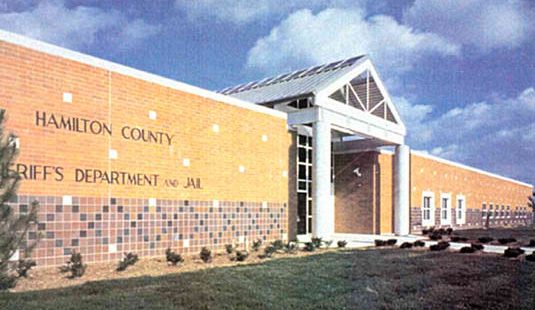
Hamilton County has its own bond schedule, specific court procedures, and local rules that directly affect how bail is set and posted. Whether the arrest happened in Noblesville, Fishers, Carmel, or Westfield, the process typically begins at the Hamilton County Jail on Cumberland Road in Noblesville. From there, navigating the system quickly requires the right information.
This guide walks you through the bond process in Hamilton County, what you’ll need to secure a bail bond, what it costs, and how a local bondsman can help you move faster.
Is the Bail Bond Process Quick in Hamilton County?
The short answer: it can be—but the speed of release largely depends on how quickly the bond is posted. After an arrest, the defendant is typically transported to Hamilton County Jail in Noblesville (18100 Cumberland Road), where they go through booking. This involves fingerprinting, photographs, and recording charges. Booking time varies based on staffing levels and how busy the jail is at that moment.
Once booking is complete, bail may be set according to the Hamilton County Bond Schedule—a standardized schedule that the Hamilton County Sheriff is ordered to follow for all persons arrested without warrants. Under this schedule:
- Level 6 felonies carry a $5,000 bond (with some exceptions, such as an OWI second offense at $7,500)
- Class A misdemeanors are set at $2,500
- Class B misdemeanors carry a $1,000 bond
- Class C misdemeanors are set at $500
- For out-of-state residents, all bond amounts under this schedule are doubled.
Some situations don’t allow for immediate bond posting. Anyone arrested for battery, stalking, invasion of privacy, or strangulation must wait 24 hours after booking before a bond can be posted. Defendants who are currently on probation, parole, or an existing bond must be held until a court establishes their bond amount.
Once you have the bond amount, posting it quickly is the most important step. Bail can be posted at any time—24 hours a day, 7 days a week.
Requirements for Securing a Bail Bond in Noblesville
To secure a bail bond in Hamilton County, you’ll need a few key pieces of information and proper identification—but the process is straightforward.
When working with a licensed bail bondsman, you’ll typically need to provide:
- The defendant’s full legal name and date of birth
- The charges they’re facing (if known)
- Confirmation that the defendant is held at Hamilton County Jail in Noblesville
- Valid identification for the person signing the bond agreement (the indemnitor or co-signer)
Identification is required on all bonds. Anyone who cannot be positively identified at booking may be held without bond until brought before the court.
If the court has ordered electronic monitoring as a bond condition, additional steps are required before release. The Probation Department must receive the address, name, and phone number of the property owner or tenant where the defendant plans to stay. This information can be provided to the Electronic Monitoring Department, located at 800 Broadway in Noblesville.
In some cases, a property bond may be an option. This requires completing and filing an Affidavit of Justification of Suretyship. Property used as collateral in this manner must have sufficient equity.
Understanding the Cost of Bail in Indiana
In Indiana, using a licensed bail bondsman typically costs between 10% and 15% of the total bail amount—a fee that is paid to the bondsman and is non-refundable. Indiana bail bond agents operate under state licensing requirements governed by Indiana Code Title 27. The 10-15% premium is commonly cited by Hamilton County bail bond companies as their standard rate, and it represents the bondsman’s fee for guaranteeing the full bail amount to the court.
For those who choose to post cash bail directly rather than using a bondsman, Indiana law (I.C. § 35-33-8-3.2) allows a deposit of as little as 10% of the total bail amount in some cases. However, the clerk retains an administrative fee of up to 10% of that deposit—not to exceed $50—as permitted under Indiana Code.
An additional $5 fee is also collected for the special death benefit fund. Upon case resolution, the remaining deposit is refunded to the person who posted it, minus any fines, costs, or restitution ordered by the court.
When comparing options, a surety bond through a licensed Hamilton County bail bondsman requires less upfront cash than paying the full bail amount, making it the more practical path for many families.
Why Choose a Local Hamilton County Bail Bondsman?
A local bondsman who knows Hamilton County’s specific procedures can significantly reduce the time it takes to get your loved one released. Hamilton County Jail has its own release protocols. Local bondsmen who regularly work with this facility understand those procedures, know the paperwork requirements, and can coordinate the process efficiently—especially during nights, weekends, or holidays when less experienced parties might face delays.
A local bondsman can also:
- Explain the bond conditions specific to Hamilton County courts, including travel restrictions (defendants cannot leave Indiana without prior written court consent), check-in requirements, and no-contact orders
- Alert you to 24-hour holds or other restrictions that may affect release timing
- Process paperwork online or in person, reducing delays when speed matters most
- Clarify what “appointment-only” releases mean for your situation
Understanding these local nuances matters. Hamilton County courts cover Noblesville, Carmel, Fishers, and Westfield—and each case carries its own set of bond conditions that must be carefully followed to avoid revocation.
Frequently Asked Questions
What happens if the defendant misses a court date?
Missing a court date is serious. Under Hamilton County bond conditions, all defendants must appear in court at all times required by the court. Failure to appear can result in the revocation of bail and the immediate issuance of a re-arrest warrant. If a surety bond was used, the bondsman may have the right to locate and surrender the defendant to the court.
Is collateral always required?
Not always. Collateral requirements depend on the bondsman, the bail amount, the nature of the charges, and the defendant’s ties to the community. Some bonds are written without collateral; others—particularly for higher amounts—may require real property or other assets as security.
Can I post bond for someone on probation?
If the defendant was already on probation, parole, or an existing bond at the time of the new arrest, the standard bond schedule does not apply. The defendant must remain in custody until a judge sets a bond amount at a court hearing.
When does the indemnitor (co-signer) receive their money back?
For cash bonds posted through the clerk, refunds are generally issued within 30 days of case disposition. The refund equals 90% of the bond amount—10% is retained as an administrative fee. Checks are issued to the person who originally posted and signed the bond.
What bond conditions apply automatically in Hamilton County?
All persons posting bond in Hamilton County are subject to standard conditions, including: appearing in court as required, not leaving Indiana without written court consent, refraining from new criminal activity, and notifying the court in writing of any address change within 24 hours.
Quick Recap:
- Defendants are booked at Hamilton County Jail, 18100 Cumberland Road, Noblesville
- Bond amounts are set according to the Hamilton County Bond Schedule (effective July 1, 2014)
- Out-of-state residents face doubled bond amounts
- 24-hour holds apply for battery, stalking, invasion of privacy, and strangulation charges
- A licensed bondsman typically charges an 8% premium on the total bail amount
- Cash bond deposits of 10% are an option, subject to a court-retained administrative fee (up to 10% of deposit or $50, whichever is less, per I.C. § 35-33-8-3.2)
- Proper ID is required from the person posting bond
- All bonds carry standard conditions—missing court can result in arrest and bond forfeiture
- Bond can be posted 24 hours a day, 7 days a week
Get Bail Help in Hamilton County Right Now
Every hour in custody matters. The faster a bond is posted, the sooner the release process can begin. If someone you know has been arrested in Hamilton County, Indiana, don’t wait—reach out to a licensed local bail bondsman who knows the Hamilton County system and can guide you through every step.
Contact our Hamilton County bail bondsmen now for immediate, 24/7 assistance. We are located right down the street from the jail and can help with fast and discreet service. Turning yourself in for a warrant? We can help speed that process up for you.
Related Post: Is There a Warrant for Your Arrest in Hamilton County? Here’s How to Find Out