Your Legal Guide to Dealing With an Arrest Warrant in Indiana

Understanding the intricacies of legal processes can be daunting, especially when it comes to dealing with arrest warrants. These documents authorize law enforcement to detain an individual, and knowing the specifics can significantly impact your response to such a situation. For residents of Indiana, it’s imperative to grasp how arrest warrants work, including who issues them, under what circumstances they are granted, and how they can be legally challenged. Familiarizing yourself with the process can alleviate anxiety and ensure you’re better prepared.

Whether you’re directly affected or simply want to be informed, this comprehensive guide will provide you with everything you need to know about arrest warrants in Indiana, including practical advice on what steps need to be taken when faced with one and where to seek legal assistance if necessary.

Call 317-876-9600 When You Need Prearranged Bail in Indianapolis

Understanding Arrest Warrants

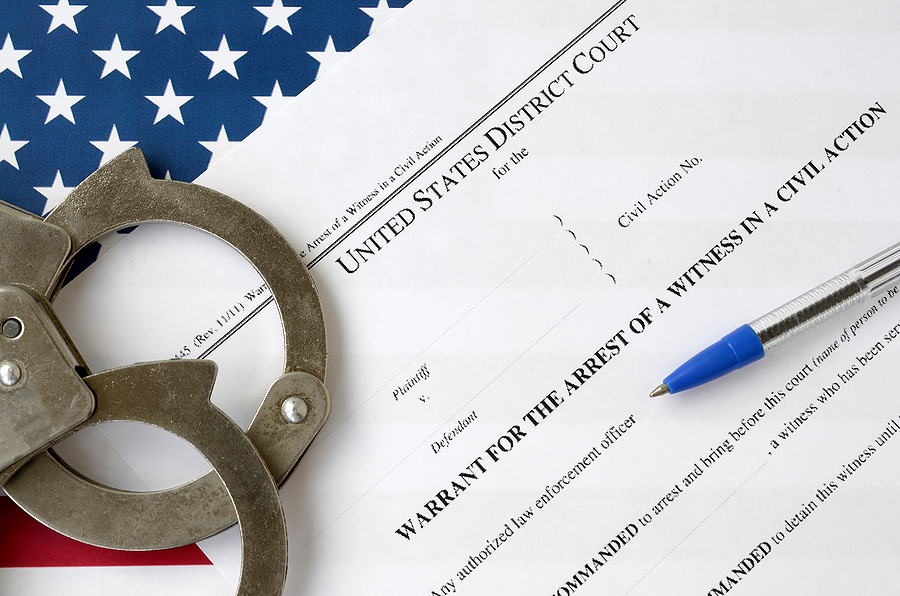
Arrest warrants in Indiana serve as legal documents issued by a judge or a magistrate, granting law enforcement the authority to arrest an individual. There are two primary types of arrest warrants in the state—bench warrants and arrest warrants. Arrest warrants are typically issued when there’s probable cause that a person has committed a crime. Bench warrants, on the other hand, are issued when someone fails to appear in court or comply with a court order.

The process of issuing a warrant involves presenting evidence or probable cause to a judge or magistrate, who then decides whether the warrant should be granted. The warrant must include specific information, such as the suspect’s name, the alleged crime, and instructions for the arresting officers.

The Legal Process

Once an arrest warrant is issued, the individual named in the warrant becomes a wanted person. Law enforcement agencies are tasked with locating and arresting the person. After the arrest, the individual is typically taken into custody and booked. This involves recording personal information, taking fingerprints and photographs, and documenting the charges.

After booking, a hearing is usually scheduled where the defendant appears before a judge. During this hearing, the charges are read, and the defendant is informed of their rights. This is followed by a trial or plea bargain process, where the defendant can contest the charges or negotiate a plea deal.

What to Do If You Have an Arrest Warrant

If you discover that there is an active arrest warrant against you, it’s crucial not to panic. The first step is to verify the warrant’s validity and understand the charges against you. Consulting with a legal professional can provide clarity and help you explore your legal options.

There are several courses of action available. Turning yourself in voluntarily can sometimes be viewed favorably by the court, potentially leading to more lenient terms. It’s also essential to explore the option of obtaining a prearranged bail bond to lessen the time spent in custody.

Turning Yourself In

Turning yourself in can be a daunting decision, but it’s often the most proactive approach to dealing with an arrest warrant. The process involves contacting local authorities to arrange a time and place for surrender. This can help avoid the embarrassment and complications of being arrested at your home or workplace.

Before turning yourself in, it’s wise to consult with an attorney and a bail bondsman. Arranging a pre-arrest bail bond can expedite your release after surrender. Once you arrive at the designated location, you’ll undergo the booking process as described earlier. Having legal representation can provide peace of mind during this time.

Hiring Legal Representation

When facing criminal charges, having experienced legal representation is crucial. A skilled defense attorney can help you understand your rights, guide you through the legal process, and work towards the best possible outcome. To find a suitable attorney, consider seeking recommendations, reading reviews, and conducting interviews to assess their experience and approach.

An attorney can also handle communication with law enforcement and the courts, ensuring that your rights are protected throughout the process. Their expertise can make a significant difference in negotiating plea deals or preparing a solid defense for trial.

Resolving an Arrest Warrant

Once you’ve been arrested, resolving the warrant becomes the priority. One common method is posting bail, which allows temporary release from custody while awaiting trial. Bail can be posted in cash or through a bail bond service. If you cannot afford bail, a bail bondsman can assist by providing a prearranged bail bond for a fee.

Attending all court hearings is essential for resolving the warrant. Failure to appear can result in additional charges and a bench warrant being issued. In some cases, your attorney may be able to negotiate a dismissal of the charges or a reduction in severity, depending on the circumstances and evidence.

Conclusion

Understanding arrest warrants in Indiana is vital for anyone who might encounter them, whether directly or indirectly. By being informed and taking proactive steps, individuals can effectively address arrest warrants and protect their legal standing. Seeking legal advice early and knowing your rights are crucial steps in navigating this complex process.

For those looking for more guidance, reaching out to legal professionals and local bail bond companies can provide invaluable support. These experts can offer detailed advice tailored to your specific situation, helping you through each stage of the process with confidence. With the right knowledge and assistance, you can turn a challenging situation into an opportunity for a favorable resolution.

If you need to turn yourself in for an outstanding arrest warrant, reach out to professionals who can ensure you don’t sit in jail for an outstanding amount of time. Contact Woods Bail Bonds at 317-876-9600 for 24 hour bail bond services in Indianapolis, Indiana you can trust. We also offer prearranged bail bond service for warrants and probation violations.

Related Posts:

Surrendering to an Arrest Warrant: The Role of a Bail Bondsman
Indiana Arrest Warrants Explained: What You Need to Know
What Will Jail Be Like After I Turn Myself in For an Arrest Warrant?

Surrendering to an Arrest Warrant: The Role of a Bail Bondsman

Facing an arrest warrant can be a daunting experience. Whether it’s due to an overlooked court date or unresolved legal matters, the prospect of surrendering may feel overwhelming. However, taking proactive steps to address this issue is crucial. In this guide, we’ll explore how hiring a bail bondsman can help you effectively surrender to an arrest warrant, ensuring a smoother and less stressful process.

Call 317-876-9600 When You Need to Surrender to an Arrest Warrant in Indianapolis Indiana

What is an Arrest Warrant?

An arrest warrant is a legal document issued by a judge or magistrate authorizing law enforcement to detain an individual. This typically occurs when there is probable cause to believe that a person has committed a crime. Arrest warrants can result from various situations, such as unpaid fines, missed court appearances, or criminal charges. Understanding the nature of an arrest warrant is the first step toward resolving it responsibly.

The stress of having an outstanding warrant can be overwhelming, but knowing how to handle the situation can make all the difference. One effective way to address this issue is by hiring a bail bondsman. Bail bond agents are licensed professionals who can assist in the warrant surrender process, ensuring that your rights are protected and the legal procedure is followed correctly. They can provide guidance, financial assistance, and support, helping you resolve your warrant efficiently.

What to Do When You Have an Outstanding Warrant

Discovering that you have an outstanding arrest warrant can be unsettling, but taking immediate action is essential. First and foremost, consult legal counsel to understand the implications of the warrant and your rights. An attorney’s advice will help you make informed decisions about how to proceed with surrendering to authorities. They can explain the legal process, potential consequences, and options available to you.

Acting promptly is crucial when dealing with an outstanding warrant. Avoiding the issue will only exacerbate the situation and could lead to unexpected arrests at inconvenient times. Once you have received legal advice, contact a bail bond company near the jail to discuss your options for surrendering. It’s important to handle the warrant responsibly to prevent further complications and ensure a smoother resolution.

Taking responsibility for an outstanding arrest warrant demonstrates your willingness to resolve the issue. Addressing the warrant head-on, with the help of professionals like attorneys and bail bondsmen, shows the court that you are taking the matter seriously. By actively engaging in the process, you increase your chances of a favorable outcome and minimize potential legal repercussions.

Understanding the Role of a Bail Bond Company in Surrender

When it comes to surrendering to an arrest warrant, a bail bond company can play a pivotal role in simplifying the process. Bail bondsmen are experienced in navigating the complexities of warrant surrender, making them valuable allies in your legal journey. They can provide clarity and guidance, ensuring that you understand each step of the process and what to expect.

One of the primary ways a bail bond agent assists is by facilitating the bail bond process. When you surrender yourself with an outstanding warrant, a bail hearing is typically held to determine the bail amount. If you cannot afford to pay the full bail upfront, a bail bondsman can provide the necessary funds. In exchange for a fee, usually a percentage of the bail amount, the bondsman will post the bail on your behalf, allowing you to be released from custody pending your court date.

The bail bond process for warrant surrender involves several key steps. Once you contact a bail bond company, they will gather information about your warrant, charges, and bail amount. The bondsman will explain the terms and conditions of the bail bond agreement, including any collateral requirements. Once the agreement is signed, the bail bondsman will post the bail with the court, securing your release from custody.

Benefits of Hiring a Bail Bondsman

Hiring a bail bondsman offers numerous benefits, particularly when dealing with an outstanding warrant. One of the primary advantages is the financial relief they provide. Bail amounts can be substantial, and not everyone has the means to pay them in full. Bail bondsmen offer flexible payment plans, allowing you to secure your release without the burden of depleting your savings.

In addition to financial benefits, hiring a bail bondsman can expedite the warrant resolution process. Bail bondsmen are well-versed in the legal system, enabling them to act swiftly and efficiently. They understand the urgency of your situation and work diligently to facilitate your release from custody as quickly as possible. This expeditious approach reduces the stress and uncertainty associated with warrant surrender.

Navigating the legal system can be complex, especially if you’re unfamiliar with the processes involved. Bail bondsmen provide professional guidance and support throughout the warrant surrender process. They can answer your questions, explain legal terminology, and offer reassurance during what can be a challenging time. Having experienced professionals by your side ensures that you make informed decisions and comply with all legal requirements.

How to Choose the Right Bail Bond Agency

Selecting the right bail bond agency is crucial to ensure a smooth and reliable warrant surrender process. Start by considering the agency’s experience and reputation. Look for a company with a proven track record of successfully assisting individuals with warrant surrenders. Online reviews, testimonials, and referrals from legal professionals can provide valuable insights into the agency’s reliability and professionalism.

Working with a licensed and reputable bail bond service is essential for your peace of mind. Licensing ensures that the agency operates legally and adheres to industry standards. A trustworthy agency will have no hesitation in providing proof of their licensing and credentials. Verify that the agency is authorized to operate in your jurisdiction to avoid potential complications.

Availability is another crucial factor when choosing a bail bond agency. Outstanding warrants can be time-sensitive, so it’s vital to work with an agency that offers 24/7 availability. This ensures that you can reach them whenever you need assistance, whether it’s during business hours or in the middle of the night. Prompt and responsive service can make a significant difference in resolving your warrant efficiently.

Conclusion

Surrendering to an arrest warrant can be a daunting endeavor, but it is not one you have to face alone. By understanding the role of a bail bondsman and acting promptly, you can take control of your situation. Hiring a bail bondsman provides essential financial support, expedited release, and expert guidance throughout the process.

For individuals with outstanding warrants, seeking professional assistance is a proactive step toward legal resolution. By addressing the warrant responsibly and enlisting the help of a trusted bail bondsman, you can mitigate potential consequences and work towards a positive outcome. Take charge of your situation today and explore the options available to you.

If you find yourself with an outstanding warrant, don’t delay. Contact Woods Bail Bonds at 317-876-9600 for fast and secure bail bond service in Indianapolis and its surrounding counties. We’re here to help you through every step of the process and ensure you understand all the conditions of your bail. We also offer pre-arranged bail for arrest warrants.

Related Posts:

Tips to Navigate Arrest Warrants in Indiana: A Must-Read for Hoosiers
Advice for Navigating Jail Time After Turning Yourself In
Frequently Asked Questions About Bench Warrants

Stay Calm and Get Out of Jail: The Bail Bond Process in Shelbyville Indiana

Finding yourself or a loved one behind bars can be a stressful experience, especially if it’s your first encounter with the legal system. Understanding the bail bond process is crucial for navigating these turbulent waters and regaining your freedom as swiftly as possible.

This guide is designed to provide local residents, first-time offenders, and arrest warrant defendants in Shelbyville, Indiana, with insights into the bail bond process, including how to secure a bail bond and work effectively with a Shelby County Bail Bondsman. By the end of this post, you’ll have a clearer picture of what to expect and how to manage this challenging situation with confidence.

Call 317-876-9600 to Get Bail Bonds in Shelbyville Indiana
Call 317-876-9600 to Get Fast Bail Bonds in Shelbyville Indiana

The Shelbyville Bail Bond Process

When someone is arrested in Shelby County, one of the primary concerns is securing their release from jail until they are required to appear in court. This is where bail comes into play. Bail is essentially a financial arrangement that acts as insurance between the court and the accused. It ensures that the defendant returns for their court dates while allowing them to continue their daily lives outside of custody.

In Shelbyville, Indiana, as in most places, bail is set by the court based on various factors, such as the nature of the offense, the defendant’s past criminal record, and their ties to the community. There are several types of bail bonds available, including cash bonds, surety bonds, property bonds, and personal recognizance bonds. Each of these has its own set of requirements and implications, which we’ll explore further in this post.

Setting Bail and Scheduled Hearings

Bail in Shelbyville is determined by local laws and regulations that aim to balance the rights of the defendant with the safety and interests of the community. The process begins with a judge setting bail during the arraignment, which is the defendant’s first court appearance after their arrest. Bail amounts can vary significantly, depending on the severity of the charges and other considerations.

Paying for a Bail Bond

In Shelby County, cash bonds require the full bail amount to be paid upfront. Once the case is resolved, the money is refunded, minus any court fees or penalties. Surety bonds, on the other hand, involve a third-party bail bondsman who guarantees the full bail amount to the court. The defendant or their co-signer pays a non-refundable fee to the bondsman, typically around 10% of the bail amount. Personal recognizance bonds are granted based on the defendant’s promise to appear in court, without any financial obligation, but are less common and usually reserved for minor offenses.

Best Steps to Take After an Arrest in Shelby County

Once an individual is arrested, the first step is to remain calm and cooperative during the booking process. This involves providing personal information, being fingerprinted, and having a mugshot taken. It’s essential to remember that anything said during this time can be used in court, so it’s wise to exercise the right to remain silent.

Contacting a Shelby County bail bondsman should be a priority after the booking process. They can help expedite the release process by guiding you through the necessary paperwork and securing a surety bond if cash bail is not feasible. Keep in mind that all bail bondsmen will require information about the charges, the jail location, and the bail amount to assist effectively.

The Role of a Shelby County Bail Bondsman

A bail bondsman plays a critical role in the bail bond process, especially when the defendant cannot afford to pay the full bail amount. They provide a surety bond to the court, guaranteeing the defendant’s appearance at all scheduled court dates. In return, the defendant or co-signer pays a fee, usually 10% to 15% of the bail amount, as compensation for the bondsman’s services. These percentages are regulated by the state- they are not chosen by bail bond companies.

It’s important to understand the responsibilities that come with hiring a bail bondsman. The defendant must attend all court appearances and comply with any conditions set by the court. Failure to do so can result in the bail being forfeited and the bondsman seeking to recover the full bail amount from the co-signer. Additionally, the bondsman may employ a bounty hunter to locate and return the defendant to custody if they attempt to flee.

Navigating the Shelbyville Court System

After securing bail, the next step is navigating the court system, which can be daunting for those unfamiliar with legal proceedings. The process typically begins with an arraignment, where the defendant is formally charged and enters a plea of guilty, not guilty, or no contest. If the case proceeds to trial, both the prosecution and defense will present evidence and arguments before a judge or jury.

Understanding the potential outcomes of a case is crucial for making informed decisions. These may include a dismissal of charges, a plea bargain, or a conviction resulting in sentencing. Throughout this process, having legal representation is highly recommended to ensure the defendant’s rights are protected and to provide the best possible defense.

Tips for Success

For first-time offenders and those navigating the bail bond process for the first time, several practical tips can help ensure a smoother experience. Firstly, it’s crucial to comply with all court appearances and legal obligations to avoid complications. Secondly, maintain open communication with your bail bondsman and legal counsel to stay informed and prepared for each stage of the process.

Another valuable tip is to gather supporting documentation and character references, which can be beneficial in court proceedings. Demonstrating a strong support network and positive contributions to the community can positively influence the court’s perception of the defendant. Lastly, consider attending any recommended counseling or rehabilitation programs, as these can showcase a commitment to personal growth and responsibility.

Conclusion

Navigating the bail bond process in Shelbyville, Indiana, may seem overwhelming, but armed with the right knowledge and resources, it becomes more manageable. Understanding the basics of bail, knowing what steps to take after an arrest, and leveraging the expertise of a Shelby County Bail Bondsman are key components to regaining your freedom and ensuring a fair legal process.

If you find yourself facing an arrest warrant or navigating the complexities of the legal system, remember that professional guidance and support are readily available. Reach out to a trusted Shelby County Bail Bondsman to discuss your options and take proactive steps towards a successful resolution. With the right approach and resources, you can effectively manage this challenging situation and focus on moving forward with confidence.

If you find yourself in this situation and need assistance, we’re here to help you every step of the way. Contact Woods Bail Bonds at 317-876-9600 for 24 hour bail bond services in Shelby County you can trust. We also offer prearranged bail bond service for arrest warrants.

Related Posts:

Navigating the Complex Landscape of Bail Forfeiture in Indiana
Know Your Rights: The Do’s and Don’ts of Bail Bond Agreements
Freedom’s Path: How to Pick the Perfect Bail Bondsman for Your Situation

Bail Bond Rights and Responsibilities: What You Need to Know as a Hoosier

When someone is arrested, one of the primary objectives is to secure their release while awaiting trial. For many Indiana residents, understanding the bail bond process can make this challenging time more manageable. Whether you’re a friend of the accused, a potential co-signer, or someone looking to turn themselves in, knowing your rights and responsibilities within this system is crucial.

Call 317-876-9600 When You Need Local Indianapolis Bail Bond Services

Types of Bail Bonds Available in Indiana

A bail bond is essentially a financial agreement between the court and the accused, backed by a bail bondsman. It serves as a promise that the accused will appear in court for their scheduled hearings. If the accused fails to show, the court forfeits the bond, meaning the full bail amount must be paid.

In Indiana, there are several types of bail bonds available depending on the situation. Surety bonds are the most common, where a bail bondsman provides a bond to the court. Then there’s the cash bond, where the accused or their family pays the full bail amount in cash. Finally, there are recognizance bonds, where the court allows the accused to go free without any payment, based on their promise to return.

The Role of a Bail Bondsman

A bail bondsman plays a crucial role in the bail bond process, acting as a financial intermediary. They charge a fee, usually a percentage of the full bail amount, to post the bond on behalf of the accused. This service allows individuals who can’t afford the entire bail to still secure release. However, it’s essential to understand that failing to meet the terms of the bond can have serious repercussions.

Rights of the Accused and Co-Signers

The Right to Reasonable Bail

Under Indiana law, everyone has the right to reasonable bail unless charged with a grave offense. Reasonable bail aims to ensure the accused can resume their daily lives while awaiting trial, without posing a risk to the community.

Co-Signer Responsibilities

Co-signing a bail bond is a significant responsibility. The co-signer guarantees that the accused will adhere to all bail conditions and attend court hearings. Should the accused fail in these obligations, the co-signer may be financially responsible for the full bail amount, plus any additional fees incurred by the bondsman.

Responsibilities of the Arrested Individual

Appearing for All Court Dates

Once released on bail, the accused must attend all court dates. Missing a hearing while out of jail on a bail bond can lead to the bail being revoked and a warrant issued for their arrest. It also puts the co-signer at risk of financial loss.

Complying with Any Bail Conditions

Beyond attending court, the accused must comply with any conditions set by the court. These may include travel restrictions, regular check-ins with law enforcement, or refraining from contacting certain individuals.

Potential Consequences of Violating Bail Conditions

Violating bail conditions can have dire consequences. The court may issue an arrest warrant and revoke the bail, requiring the accused to remain in custody until the trial. For the co-signer, this can mean facing financial penalties and losing the bail amount posted.

If bail conditions are breached, it’s crucial to act immediately. Contacting the bail bondsman and legal counsel can sometimes remedy the situation, potentially reinstating bail under stricter conditions. Ignoring violations can escalate the matter quickly.

FAQs About Bail Bonds

Can I use a bail bond to get out of jail?

Yes, a bail bond can be used to get out of jail. A bail bond is a type of surety bond that allows an individual to be released from custody while awaiting trial. It acts as a promise that the defendant will appear in court for all required hearings and proceedings. Bail bonds are typically used when the defendant cannot afford to pay the full amount of bail set by the court.

In this situation, a bail bondsman or bail agent can be hired to provide the necessary funds for release. The defendant or their family will usually have to pay a non-refundable fee, usually around 10%  or 15% of the total bail amount, to the bail bondsman. It’s important to note that while a bail bond can help an individual get out of jail, it does not mean they are cleared of the charges against them. It is simply a temporary release until their court date.

How does the bail bond process work?

The first step in the bail bond process is typically for the defendant or their family to contact a bail bondsman. The bondsman will then gather information about the defendant’s case and determine if they are eligible for a bail bond. If approved, the defendant or their family will need to fill out paperwork and pay the non-refundable fee.

The bail bondsman will then post the necessary funds with the court, allowing the defendant to be released from custody. Once released, the defendant will be required to attend all court hearings and follow any conditions set by the court. If they fail to do so, the bail bond may be revoked and the defendant could be sent back to jail.

Are there any risks involved with using a bail bond?

Yes, there are some risks associated with using a bail bond. The biggest risk is that if the defendant fails to appear in court or violates any conditions of their release, they could lose their bail money and potentially face additional charges. It’s also important to carefully review and understand the terms of the bail bond agreement before signing. Some agreements may include hidden fees or require collateral such as property or assets.

Can anyone use a bail bond?

No, not everyone is eligible to use a bail bond. In some cases, the court may deem an individual as a flight risk or consider them too dangerous to be released on bail. In these situations, a bail bond will not be granted. Additionally, if the defendant has a history of failing to appear in court or violating conditions of release, they may also not be eligible for a bail bond.

What happens to the bail money after the case is resolved?

If the defendant appears in court and follows all conditions of their release, the bail money will typically be returned at the end of their case. However, any fees paid to the bail bondsman are non-refundable.

In some cases, the court may also deduct any outstanding fines or fees from the bail money before returning it to the defendant. It’s important for the defendant or their family to keep track of any payments made and ensure they receive the full amount of their bail money back after the case is resolved. 

Conclusion

Understanding the intricacies of the bail bond process in Indiana is vital for anyone involved, whether directly or indirectly. Knowing your rights, responsibilities, and the potential consequences of non-compliance can make a challenging situation more manageable.

If you find yourself or a loved one in need of navigating this process, seek professional advice. Legal experts and bail bondsmen can provide invaluable guidance tailored to your unique circumstances. For more detailed assistance or to begin the bail process, reach out to a trusted bail bondsman in Indiana. They can help you understand your options and make informed decisions.

Stay strong, stay prepared, and remember you are not alone on this journey. Contact Woods Bail Bonds at 317-876-9600 to learn what you need to know about the Indianapolis bail bond process. We serve over 30 counties within Northern, Central, and Southern Indiana, so do not hesitate to call.

Related Posts:

Know Your Rights: The Do’s and Don’ts of Bail Bond Agreements
Freedom’s Path: How to Pick the Perfect Bail Bondsman for Your Situation
Bail Bonds 101: What You Need to Know to Get Your Boyfriend Out of Jail

Navigating Indiana’s Citation Release System

Finding yourself on the wrong side of the law can be a bewildering experience, especially when it’s your first brush with legal trouble. Indiana, like most states, has a straightforward system in place for minor offenses that doesn’t always necessitate the traditional bail bond process. In this overview, we’ll explore Indiana’s citation release system and when it is applicable for residents who have encountered legal trouble for the first time.

Call 317-876-9600 for Arrest Warrant Bail Bonds in Indianapolis

Understanding Indiana’s Citation Release

What is a Citation Release?

In Indiana, individuals arrested for certain non-violent misdemeanors or infractions may be eligible for a citation release, which allows them to be released from custody without the need to post bail. Instead of being taken to jail, the officer has the discretion to write a citation with a court date, after which the individual is free to go. This system aims to reduce overcrowding in jails and allows law enforcement resources to be focused on more serious offenses.

Qualifying Offenses for Citation Release

Offenses that typically qualify for citation release in Indiana include:

  • Minor drug offenses, such as possession of small amounts of marijuana
  • Petty theft or shoplifting below a certain dollar amount
  • Traffic violations

However, the specifics can vary by county and depend on the circumstances of the case. Always consult with legal counsel to determine eligibility for citation release.

Do You Need a Bail Bond for a Citation Release?

For those released via citation, there is no need for bail since they do not go to jail. However, a bail bond might be required if the defendant does not fulfill their citation release conditions. In such a case, an arrest warrant would be issued, and the defendant would need to turn themselves in. A bail bondsman can provide prearranged bail bond services for those surrendering to a warrant. This speeds up the process and gets the individual out of jail faster.

Do You Need a Bail Bond?

For those who are not granted a citation, and instead taken to jail, the question of a bail bond becomes pivotal. A bail bond is a financial guarantee that the defendant will appear at all scheduled court dates. Basically, it is a promise (backed by a lot of money) that they won’t flee. It is usually required for more serious offenses or for individuals with a past record. Determining factors for needing a bail bond include:

  • The nature and severity of the crime
  • Prior criminal activity by the individual
  • Whether the defendant is considered a flight risk

Bail Bond Payment Options:

There are several ways to pay for a bail bond:

  • Paying the full bail amount in cash or cashier’s check
  • Utilizing collateral, such as property or valuable assets
  • Hiring a bail bond agency that requires a, upfront non-refundable fee, usually 10%-15% of the bail, to act as a surety for the full amount

Steps in Securing a Bail Bond

With a bail bond, the process typically involves:

  1. Contacting a bail bondsman who will ask for details of the case and the amount of bail set by the court
  2. The co-signer (usually a family member or friend of the defendant) fills out an application and pays the premium, usually 10-15% of the bail amount
  3. The bail bondsman posts the bond and the defendant is released, with the understanding that they will appear in court when required

Common Requirements and Costs

Bail bond requirements and associated costs can vary, but some common ones include the co-signer needing to be 18 years old or older, having a valid government-issued ID, and paying the premium upfront. Costs can range from a few hundred to several thousand dollars, depending on the bail amount set by the court.

Insight for First-Time Offenders

Supportive Advice for a Challenging Time

The experience of a first offense can be overwhelming, but it’s important to remain calm and take the situation seriously. Seeking legal counsel and understanding your rights are paramount. Remember, admitting guilt may have long-term consequences, especially if you intend to fight the charges or if your future may depend on maintaining a clean criminal record.

Resources for Understanding Legal Rights

There are various resources available to individuals facing legal trouble for the first time. Local legal aid societies often provide low-cost or free legal services for qualifying individuals. Additionally, public defenders are available for those who cannot afford to hire an attorney. You may also want to seek information on diversion programs that could offer a path to avoiding formal charges.

Conclusion

Understanding Indiana’s citation release system and knowing when a bail bond may be necessary is crucial for any resident facing legal trouble. This comprehension ensures the proper steps are taken to secure timely release, with minimal financial burden, for those who qualify for citation releases. If the situation escalates to requiring a bail bond, seeking guidance from a reputable bail bondsman is the next logical step.

For those navigating their first encounter with the law, remember that accessing resources and legal support can significantly influence the outcome of your case. While this guide provides a broad understanding, individual cases may require specific legal advice.

If you find yourself in need of legal support or a bail bond, do not hesitate to reach out to professionals who can provide personalized guidance. Contact Woods Bail Bonds at 317-876-9600 for 24 hour bail bond services in Indianapolis, Indiana you can trust. We also offer prearranged bail bond service for arrest warrants and probation violations.

Related Posts:

The Benefits of a Pre-Trial Release
Can I Be Arrested For Making Prank Calls?
My Friend Was Just Arrested. What Happens Next?

Navigating the Legal Labyrinth: A Guide to Understanding Arrests in Indiana

Understanding the dynamics of the legal system, particularly in the context of getting arrested, can often feel like navigating a labyrinth. With complex procedures, legal jargon, and the daunting prospect of criminal charges, it’s essential to know your rights and obligations.

Welcome to our comprehensive guide dedicated to demystifying the process of arrests in Indiana. We’ll shed light on what happens when you get arrested, the procedures that follow, and the role of bail bonds in this scenario. Our objective is to arm you with knowledge and enable you to make informed decisions during these challenging circumstances. So, let’s dive in!

Call 317-876-9600 for 24 HR Bail Bonds in Indianapolis Indiana

What You Need to Know About Getting Arrested and Getting Out of Jail

What Happens When You Get Arrested?

Getting arrested can be an overwhelming experience, and it’s crucial to know your rights. When a person gets arrested in Indiana, the police take them into custody to answer for any criminal charges they may face. During this process, it’s common for individuals to feel anxious and confused about what will happen next. Here are the essential steps that follow after an arrest:

Booking: The police will take you to a local law enforcement agency for booking, where they’ll collect your personal information, including your name, address, and date of birth. They’ll also take your fingerprints and photograph.

Miranda Rights: After booking, the police should inform you of your Miranda rights – the right to remain silent and the right to an attorney. It’s essential to exercise these rights and avoid making any statements without an attorney present.

Detention: Depending on the severity of the alleged crime, you may be eligible for release after booking or be held in detention until your court date. If you’re not released, a bail hearing will take place within 24 hours to determine if you can be released on bail.

Understanding Criminal Charges in Indiana

Criminal charges refer to the formal accusations brought against an individual suspected of committing a crime. These charges are classified into three categories in Indiana: misdemeanors, felonies, and infractions. Misdemeanors are less severe offenses that carry a maximum penalty of one year in jail. Felonies are more serious crimes that can result in imprisonment for over a year, while infractions refer to minor offenses like traffic violations. It’s important to know the specific charges against you and their potential consequences, as this will inform your legal strategy.

The Role of Bail Bonds

The concept of bail comes into play after an arrest when the defendant appears before a judge at the bail hearing. This hearing is to determine whether the accused should be released from detention and, if so, the amount of bail required. Bail refers to a monetary deposit made to the court as insurance that the defendant will appear for their trial. If you can’t afford to pay bail in cash, you can seek help from a licensed bail bondsman who will post your bond for a fee, usually 10% to 15% of the bail amount. Bail bonds serve as a guarantee to the court that you’ll appear for all your future court appearances and are responsible for any additional fees if you fail to do so.

Final Thoughts

Getting arrested can be a traumatic experience, but knowing your rights and understanding the process can help ease some of the anxiety. Remember to exercise your Miranda rights, understand the charges against you, and seek help from a reputable bail bondsman if needed. We hope this guide has given you a better understanding of the legal labyrinth that is an arrest in Indiana. Stay informed, stay safe!  Finally, always remember to consult with a qualified attorney for personalized legal advice. 

Are you looking for experienced bail assistance for yourself or a loved one in Indiana? Contact Woods Bail Bonds at 317-876-9600 for speedy and secure bail bond services in Indianapolis, Indiana. We offer prearranged bail bond service for arrest warrants and probation violations, too.

Related Posts:

Explaining the Process of Posting a Bond for Someone Else
Navigating the Legalities and Logistics of Obtaining a Bail Bond
The Benefits of Using a Bail Bond to Get Out of Jail

Tips to Navigate Arrest Warrants in Indiana: A Must-Read for Hoosiers

Getting entangled in the criminal justice system can be a daunting experience, especially when an arrest warrant lands on your doorstep. In Indiana, understanding the intricacies of arrest warrants is crucial to protecting your rights and navigate the process smoothly.

This blog aims to shed light on the critical aspects of arrest warrants in Indiana, offering pragmatic advice to help Hoosiers sail through these turbulent waters. We’ll discuss the procedure, implications, and the role of bail bonds in the process. Ultimately, our goal is to equip you with the knowledge that enables you to handle such situations with confidence and poise. So, whether it’s for yourself or a loved one, this guide is a handy tool in your arsenal.

Call 317-876-9600 for Bail Bonds for Arrest Warrants in Indianapolis

What is an Arrest Warrant?

Simply put, an arrest warrant is a legal document issued by a judge or magistrate authorizing the arrest of an individual suspected of committing a crime. In Indiana, warrants are usually issued when law enforcement officers have probable cause to believe that a person has committed a felony or misdemeanor offense. This means that there is enough evidence to suggest that the person in question has committed a crime. Warrants can also be issued for failure to appear in court, violating probation or parole, or failing to pay fines.

What Happens When You Have an Arrest Warrant?

If you have an active arrest warrant in Indiana, there are a few things that could happen. First, law enforcement officers may come knocking on your door to arrest you. This is known as a “knock and talk” warrant, where officers come to your residence or place of work without any prior notice. Alternatively, you may be stopped for a traffic violation or another minor offense, and the officer runs a warrant check that reveals the active warrant. In both cases, you will be taken into custody.

What are Your Rights When You Have an Arrest Warrant?

When you have an arrest warrant, it’s crucial to understand your rights and how to exercise them. Under Indiana law, you have the right to remain silent and not incriminate yourself. This means that you do not have to answer any questions from law enforcement officers before consulting with a lawyer. You also have the right to legal representation, and if you cannot afford a lawyer, one will be appointed for you.

The Role of Bail Bonds

After being arrested on an arrest warrant, the next step is usually to post bail. Bail is essentially a financial guarantee that ensures your appearance in court to face the charges against you. Depending on the severity of the offense and your criminal history, the judge may set a bail amount. If you cannot afford the full amount, you can seek the services of a bail bondsman who will post bail on your behalf for a fee (usually 10% to 15% of the total bail amount). This allows you to be released from custody while awaiting trial. Many Indianapolis bail bondsmen offer prearranged bail for those who need to surrender to an arrest warrant. In some cases, they can get you in and out of jail in as little as one hour.

Conclusion

In conclusion, arrest warrants can be intimidating, but with an understanding of the process and your rights, you can navigate them successfully. Knowing the role of bail bonds and having access to legal representation is crucial in this process. If you or a loved one ever find yourselves facing an arrest warrant in Indiana, remember these tips and stay calm.

Are you looking for help with an arrest warrant? Contact Woods Bail Bonds at 317-876-9600 to learn what you need to know about the prearranged arrest warrant Indianapolis bail bond process. We serve over 30 counties within Northern, Central, and Southern Indiana, so do not hesitate to call.

Related Posts:

Indiana Arrest Warrants Explained: What You Need to Know
Advice for Navigating Jail Time After Turning Yourself In
The Role of Bail Bonds in Indiana’s Legal System

Indiana Arrest Warrants Explained: What You Need to Know

Understanding arrest warrants can be daunting, especially when you’re unsure of the procedures involved or how to navigate the process. When it comes to Indiana, the laws surrounding arrest warrants can be quite specific. This blog post aims to guide you through the intricate details of Indiana’s arrest warrants, the process of conducting an arrest warrant search, and understanding arrest warrant bonds. Our goal is to equip you with the knowledge you need to tackle such situations confidently and prudently.

Call 317-876-9600 for an Arrest Warrant Bond in Indianapolis Indiana

What is an Arrest Warrant?

An arrest warrant is a legal document issued by a judge or magistrate, authorizing law enforcement officers to arrest and detain an individual suspected of committing a crime. In Indiana, the prosecutor’s office files a complaint with the court, which determines if there is enough evidence to issue an arrest warrant. If granted, the warrant remains active until the suspect is arrested or until it is recalled by the court.

3 Types of Warrants Issued in Indiana:

Arrest Warrants – An arrest warrant is a legal document issued by a court or other authorized body that authorizes the police to arrest an individual suspected of committing a crime. An arrest warrant contains information about the suspect, such as their name and address, and details of the alleged crime. In order to issue an arrest warrant, there must be probable cause that the suspect has committed a crime.

Search Warrants – A search warrant is a legal document issued by a court or other authorized body that allows law enforcement officers to search an individual’s home or business for evidence of criminal activity. In order to issue a search warrant, there must be probable cause that the person is in possession of evidence related to criminal activity. A search warrant must also specify what type of evidence can be searched for and where it can be found.

Bench Warrants – A bench warrant is a legal document issued by a court or other authorized body that orders the police to bring an individual before the court so they can answer accusations against them. A bench warrant typically arises when an individual fails to appear in court for their scheduled hearing or has violated the terms of their release from custody. A bench warrant does not authorize law enforcement officers to enter someone’s home or business without permission; instead, it requires them to locate and apprehend the individual named in the document so they can be brought before the court.

Arrest Warrant vs. Bench Warrant

It’s important to note that an arrest warrant is different from a bench warrant. While both are issued by a judge or magistrate, an arrest warrant authorizes law enforcement officers to make an arrest based on probable cause of a crime committed, while a bench warrant is typically issued for failure to appear in court or comply with a court order.

Conducting an Arrest Warrant Search

If you believe there may be an outstanding arrest warrant against you, your first step should be to conduct an arrest warrant search. You can do this by contacting your local law enforcement agency or visiting their website, where many have a public database that allows you to search for active warrants. Additionally, the Indiana State Police maintains an online database, known as the “Public Records Index,” where you can search for active warrants statewide. You might feel more comfortable contacting a local Indianapolis bail bondsman instead – they often perform free inmate lookups and warrant checks, plus they can help you turn yourself in and get out of jail fast.

Understanding Arrest Warrant Bonds

After an individual is arrested and taken into custody, they may be required to post bail in order to secure their release until their court date. In Indiana, this is typically done through an arrest warrant bond. The bond is a monetary amount set by the court, which ensures that the defendant will show up for their scheduled court appearance. If they fail to appear, the bond is forfeited, and an arrest warrant may be issued for their re-arrest. As mentioned earlier, a licensed and experienced bail bond company in Indianapolis may offer

Conclusion

In conclusion, understanding Indiana’s arrest warrants requires knowledge of its legal procedures, conducting an arrest warrant search, and understanding arrest warrant bonds. It’s crucial to be informed and aware of your rights when it comes to dealing with arrest warrants, whether you are the suspect or a concerned citizen. If you have any further questions or need assistance navigating this process, it is always best to consult with a qualified legal professional.

We hope this blog has provided you with valuable information and empowered you to handle arrest warrants with confidence. Contact Woods Bail Bonds at 317-876-9600 to set up secure bail bond services before you turn yourself in for an arrest warrant in Indianapolis. Our licensed and insured Indiana bail bondsmen can get you in an out within a couple of hours, sometimes much less!

Related Posts:

How to Find Out if You Have an Arrest Warrant in Indiana
How to Resolve an Arrest Warrant as Fast as Possible
Where to Get Pre-Arrest Bail Bonds in Indiana

Crossing State Lines: A Closer Look at Indiana’s Criminal Extradition Laws

Welcome to an in-depth exploration of one of the most complex legal concepts – criminal extradition laws, with a specific focus on Indiana. When a fugitive crosses over state lines, it triggers a series of legal procedures that involve both the state where the alleged crime occurred and the state where the fugitive is found.

In this post, we’re going to dissect Indiana’s stance on these laws, discuss the circumstances under which they extradite, and illuminate what this means for both law enforcement and the accused. Whether you’re a law student, an enthusiast, or simply a curious mind, this blog aims to shed light on this multifaceted issue. Continue reading to delve in!

Call 317-876-9600 When You Criminal Bail Bonds in Indianapolis Indiana

What is Criminal Extradition?

First, let’s define criminal extradition. Extradition involves two states coming to an agreement over the transfer of a fugitive from one state to another in order to be tried for a crime committed within their jurisdiction. The Constitution gives Congress the power to develop laws to enable this process, and each state has its own version of these laws. In Indiana, if a person is accused of a crime in another state and has fled to Indiana, the Governor can order that individual be extradited.

Criminal Extradition Process in Indiana

The process for extradition begins when a governor receives what’s called “an application for extradition.” This document outlines the alleged offense committed by the fleeing fugitive and includes evidence such as fingerprints, photographs, or documents. The state then has to decide if they will accept the application and send the person back to stand trial. If they do, an arrest warrant is issued for the individual’s detainment.

This is where Indiana can be a bit tricky. The state does not have to extradite if:

1) The alleged crime isn’t recognized in both states

2) The accused has already been tried for the same crime in some other state

3) The accused is a resident of the requesting state, and they can be tried there.

The Governor also has the right to deny extradition if he or she believes it would be unjustified or cruel. In addition, Indiana’s law states that an individual who has been extradited cannot be prosecuted for any other offense in the state they are being extradited to, unless it is related to the offense for which they were extradited.

Fleeing is Never the Answer When Facing Criminal Charges

Remember, fleeing from one state to another does not mean you can escape justice. If you break the law in Indiana and then try to leave the state, you may be subject to extradition back to Indiana if caught by authorities. It’s important that you understand your rights and protect yourself before leaving the state.

Criminal extradition is a complex subject, but it’s important to understand if you want to stay safe and out of trouble. The more we know about Indiana’s criminal extradition laws, the better equipped we are in facing these challenging situations. With this knowledge in mind, we can move forward with confidence when crossing state lines.

The important thing to remember is that laws change, so make sure you stay up to date on the most current regulations. Taking the time to do your research is key in protecting yourself and avoiding criminal extradition charges. With all that said, we wish you luck and safety for any future journeys!

In Conclusion

Understanding Indiana’s criminal extradition laws is essential for anyone who wants to cross state lines. Knowing the ins and outs of these regulations can help protect you from legal complications and keep you out of trouble. Keep in mind that federal laws regarding criminal extradition apply to all US states, so make sure you’re familiar with them as well. Always remember to do your due diligence before traveling by researching local laws and staying up to date on changes.

Are you looking for help with an arrest warrant or bailing a friend out of jail? Contact Woods Bail Bonds at 317-876-9600 to learn what you need to know about your role in the Indianapolis bail bond process. We serve over 30 counties within Northern, Central, and Southern Indiana, so do not hesitate to call.

Related Posts:

Common Requirements for an Interstate Fugitive Extradition
FAQS About Criminal Extradition
What is Fugitive Extradition? Can it Happen to Me?