Navigating DUI Bail Bonds in Hamilton County: A Guide to Securing Release

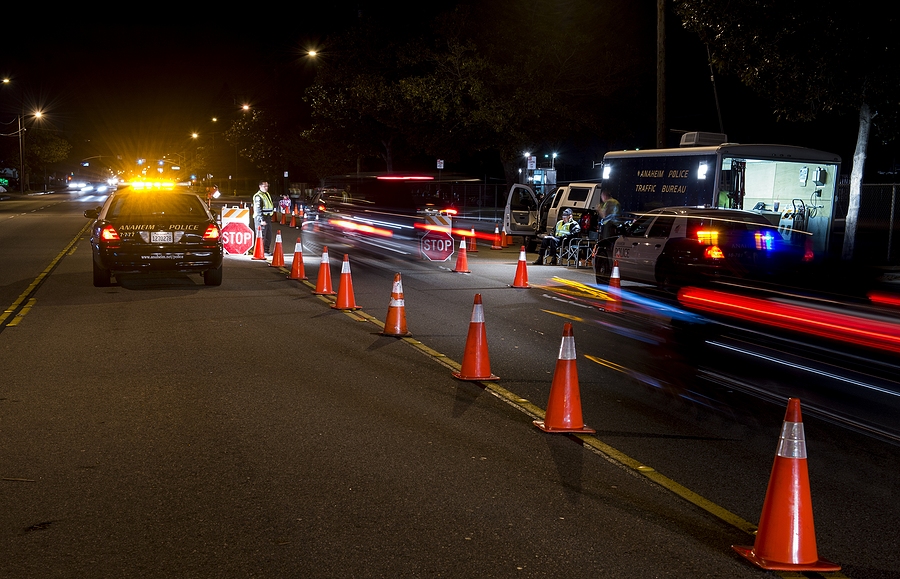
Seeing flashing blue lights in your rearview mirror is a sinking feeling that no one wants to experience. If you or a loved one has been arrested for operating a vehicle while intoxicated (OWI)—commonly referred to as DUI—in Hamilton County, Indiana, the immediate aftermath can feel overwhelming. The confusion of the booking process, the uncertainty of the costs, and the fear of the future are heavy burdens to carry.

However, understanding the local legal landscape is the first step toward regaining control of the situation. Hamilton County has specific rules regarding bail schedules, bond amounts, and release procedures that differ from other jurisdictions. This guide provides the essential information you need to navigate the bail bond process in cities like Noblesville, Fishers, and Carmel, helping you make informed decisions during a difficult time.
Call 317-876-9600 if You Require a Hamilton County DUI Bail Bond

Understanding DUI Charges and Penalties in Indiana

While most people use the term DUI (Driving Under the Influence), Indiana law officially categorizes this offense as OWI (Operating While Intoxicated). The severity of the charge—and subsequently the amount of bail required—depends heavily on the specific circumstances of the arrest, particularly the driver’s Blood Alcohol Concentration (BAC) and driving history.

The Levels of OWI Offenses

In Indiana, OWI charges are generally broken down into specific classifications:

  • Class C Misdemeanor: This is often a first-time offense where the driver operates a vehicle with a BAC between 0.08 and 0.15.
  • Class A Misdemeanor: This charge typically applies if the driver’s BAC is 0.15 or higher, or if the driver operated the vehicle in a manner that endangered others.
  • Level 6 Felony: An OWI can be elevated to a felony if the driver has a prior conviction within a certain timeframe (usually the past 5 to 7 years) or if there was a passenger under the age of 18 in the vehicle.

Understanding these distinctions is vital because the Hamilton County bond schedule sets bail amounts based directly on the severity of the alleged crime.

How DUI Bail Bonds Work in Hamilton County

Once an individual is booked into the Hamilton County Jail, a bond is typically set to ensure they appear for future court dates. Unlike some jurisdictions where you must wait for a judge, Hamilton County utilizes a “bond schedule” for warrantless arrests, allowing for a quicker release in many standard OWI cases.

The Bond Schedule

According to local rules, the Sheriff or Clerk can accept bail based on a pre-set schedule. For example, a standard Class C Misdemeanor OWI often carries a bond amount around $2,500. However, if the charge is elevated to a Level 6 Felony (such as a second offense), the bond amount generally increases to $7,500.

Cash Bonds vs. Surety Bonds

When posting bail in Hamilton County, you generally have two primary options:

  1. Cash Bond (The 10% Option): In Hamilton County, the court often allows you to post a cash deposit with the Clerk. Typically, you may post 10% of the full bond amount plus administrative fees. For a $2,500 bond, this might mean depositing roughly $250 plus fees. If the defendant attends all court hearings, a portion of this money may be returned at the end of the case, though the court often retains it to pay fines and court costs.
  2. Surety Bond: This involves hiring a professional bail bond agent. You pay a non-refundable premium (usually 10%-15%) to the bondsman, and they guarantee the full bond amount to the court. This is often the preferred method for higher bond amounts or when the family does not have the immediate cash on hand.

Request Emergency Bail Service in Hamilton County Now

Factors Affecting the Cost of a DUI Bail Bond

While the bond schedule provides a baseline, several factors can influence the final cost required to secure a release. It is important to be prepared for these variables.

Residency Status

Hamilton County has strict rules regarding out-of-state residents. If the person arrested resides outside of Indiana, the bond amount listed on the schedule is typically doubled. This is intended to mitigate the flight risk associated with non-residents.

Previous History and Enhancements

If the arrest involves aggravating factors, the bond will be higher. This includes:

  • Prior OWI convictions.
  • Causing an accident involving injury.
  • Resisting law enforcement at the time of arrest.

Administrative Fees

When posting a cash bond directly with the court, be aware of the “administrative fee.” Indiana law allows the county clerk to retain up to 10% of the cash deposit or $50, whichever is less, as a fee for processing the transaction.

Choosing a Reputable Bail Bond Company

If you decide to use a surety bond, choosing the right bail bond agency is crucial. You are entrusting this company with your freedom or the freedom of a loved one.

Look for an agency that is:

  • Licensed and Insured: Ensure they are legally authorized to operate in Indiana.
  • Transparent: They should clearly explain the non-refundable premium and any collateral requirements upfront. Avoid companies that try to hide fees.
  • Available: Arrests don’t happen on a 9-to-5 schedule. You need a company that answers the phone at 2:00 AM on a Saturday.
  • Knowledgeable: They should know the specific procedures for the Hamilton County Jail and the Clerk’s office in Noblesville.

Navigating the Legal Process After Posting Bail

Posting bail is just the first step in the legal journey. Once released, the defendant is still subject to the court’s authority.

Conditions of Release

Release on bond is conditional. Standard conditions usually include:

  • Appearing at all scheduled court hearings.
  • Not leaving the state of Indiana without written permission.
  • Committing no new criminal offenses.
  • Keeping the court and your attorney informed of your current address.

The Initial Hearing

The first court appearance is the Initial Hearing. Here, a judge will review the bond. They have the discretion to lower it, raise it, or release the defendant on their own recognizance (OR) based on the arguments presented. In some misdemeanor OWI cases, your attorney may be able to file a “Request for Waiver of Initial Hearing,” which can streamline the process and help with specialized driving privileges.

License Suspensions

Be aware that an OWI arrest often triggers an administrative suspension of your driver’s license. This is separate from the criminal case. Bond paperwork may include information on how to request a stay of this suspension, but it is best handled by legal counsel.

Conclusion

Dealing with an OWI arrest is stressful, but you do not have to navigate it alone. Understanding the unique bond schedules and rules in Hamilton County allows you to act quickly and decisively. Whether you choose to post a cash bond or hire a professional agent, the goal is the same: securing release so you can begin preparing a defense and returning to your daily life.

If you need immediate assistance, do not wait. Time is often of the essence in securing a timely release from jail.

Need Help Now? Woods Bail Bonds offers 24-hour bail bond services throughout Hamilton County, including Fishers, Noblesville, and Carmel. We are here for you when you need us most—even on Christmas Eve, Christmas Day, and New Year’s Day. Contact Us Today to bring your loved one home.

Call Now For Immediate Assistance

Related Post: How to Get Someone Bonded Out of Hamilton County Jail in Indiana

Securing Freedom: How to Use Property for Bail Bonds in Indiana

Receiving a phone call that a loved one has been arrested is a jarring experience. Confusion and stress often set in immediately, followed closely by the financial reality of the situation. In Indianapolis, as in the rest of the country, securing a release from jail usually requires posting bail. However, bail amounts can be set in the thousands or tens of thousands of dollars—sums that most families do not have sitting in a checking account.

When cash is tight, but the need for freedom is urgent, property bonds become a vital lifeline. Using collateral allows you to secure a loved one’s release without liquidating your savings, but it is a process that requires careful consideration and a clear understanding of the risks involved.

This guide explains how using property as collateral works within the Indiana legal system, what you need to prepare, and how to protect your assets while navigating this challenging time.

Call 765-644-0400 When You Need to Use Collateral for Bail in Indianapolis Indiana

Introduction to Collateral Bail in Indiana

In the bail bond industry, collateral acts as a security measure. It is a tangible asset pledged to the bail bond agency to ensure that the defendant appears for all scheduled court dates.

When you work with a bail bondsman, you typically pay a non-refundable premium (usually between 10% to 15% of the total bail amount in Indiana). However, if the bail is set particularly high or the defendant is considered a flight risk, the bondsman may require additional security to cover the remaining 90% liability they are taking on with the court.

Think of collateral as an insurance policy for the bondsman. If the defendant goes to court as promised, the collateral is returned to you once the case concludes. If they flee, the collateral may be used to pay the full bail amount to the court.

Types of Property Accepted as Collateral

While cash is the most direct form of security, many bail bond agencies in Indianapolis accept various physical assets. The most common types include:

Real Estate

This is the most frequent form of non-cash collateral. It includes residential homes, commercial buildings, or vacant land. To use real estate, you generally need to have significant equity in the property. In many cases, the equity must equal at least 150% of the bail amount to account for potential foreclosure costs or market fluctuations.

Vehicles

Cars, trucks, motorcycles, and sometimes recreational vehicles (like boats or campers) can serve as collateral. For a vehicle to be accepted, you usually must hold the clear title—meaning the vehicle is fully paid off—and it must be in your possession.

High-Value Personal Items

Although less common than homes or cars, some agencies may accept high-value portable items. This can include jewelry, precious metals (gold or silver), high-end electronics, or even firearms. These items are typically physically held by the bondsman in a secure safe until the case is over.

The Collateral Appraisal Process

A bail bondsman cannot simply guess the value of your property. To ensure the asset covers the potential debt, a formal or semi-formal appraisal process takes place.

For Real Estate:

The bondsman will look at current tax assessments, recent sales in your Indianapolis neighborhood, and mortgage statements. They need to calculate the “net equity.” For example, if your home is worth $200,000 but you still owe $150,000 on the mortgage, you only have $50,000 in equity.

For Vehicles:

Valuation is typically based on current market guides, such as Kelley Blue Book or NADA Guides. The bondsman will assess the condition of the vehicle physically. They will likely require the physical title (the “pink slip”) to be handed over, even if you are allowed to keep driving the car during the trial.

For Valuables:

Jewelry or specialized items often require a third-party professional appraisal to certify their worth before they can be accepted.

Request Emergency Bail Bond Assistance Right Now

Risks and Benefits of Using Property for Bail

Deciding to put your home or car on the line is significant. Weighing the pros and cons is essential before signing any agreements.

The Benefits

  • Immediate Release: You can get your loved one out of jail quickly without needing to raise thousands of dollars in cash instantly.
  • Asset Retention: You do not have to sell your property. You simply pledge it. As long as the defendant follows the rules, you keep your home and car.
  • Handling High Bail: For severe charges where bail is set very high, property is often the only way a family can cover the cost.

The Risks

  • Potential for Loss: The single biggest risk is forfeiture. If the defendant skips town or misses court, the bondsman has the legal right to seize the property to pay the court.
  • Leins on Property: When real estate is used, a lien is placed on the home. This means you cannot sell or refinance the home until the case is closed and the lien is removed.
  • Storage Fees: If physical items (like a car) are stored by the bondsman, you may be liable for storage fees.

Steps to Take When Considering Property as Collateral

If you determine that using collateral is the right path for your situation, being organized will speed up the release process.

  1. Locate Ownership Documents: Find your property deed, recent mortgage statement, or vehicle title. The bondsman needs proof that you own the asset.
  2. Determine Value: Have a realistic idea of what your property is worth. If you are using a car, check its trade-in value online beforehand.
  3. Check for Encumbrances: Ensure your taxes are paid up. Most bondsmen will not accept property that has tax liens or is currently in foreclosure.
  4. Co-Signer Agreement: Understand that by pledging property, you are acting as an indemnitor. You are signing a contract stating you are financially responsible for the defendant.

Property Revocation After Failure to Appear

This is the scenario everyone hopes to avoid. If the defendant fails to appear in court, a warrant is issued for their arrest. The court then notifies the bail bond agency that the bond is in default.

However, you do not lose your property instantly. In Indiana, there is typically a grace period allowing the bondsman and the family to locate the defendant and return them to custody.

If the defendant is found and returned to jail, the bond might be reinstated or exonerated, saving your property (though you may owe recovery fees). If the defendant cannot be found within the time allotted by the court, the bondsman must pay the full bail amount. To recover this loss, they will initiate foreclosure proceedings on the real estate or seize and sell the vehicle pledged as collateral.

Alternatives to Using Property for Bail Bonds

If the risk of using your home is too great, or if you do not own significant assets, there are other avenues to explore.

  • Surety Bonds with Payment Plans: Some agencies offer credit terms. You pay the premium over time, though this usually requires a strong credit score and proof of stable income.
  • Cash Bonds: If you can borrow the money from friends or family, you can pay the full amount directly to the court. This is refunded at the end of the case, minus court fees.
  • XR (Own Recognizance): For minor offenses and first-time offenders, a judge may release the defendant on their “own recognizance,” meaning no financial security is required. A lawyer can often argue for this during a bond hearing.

In Summary

The justice system can feel overwhelming, but you do not have to navigate it alone. Using property as collateral is a powerful tool that puts freedom within reach, even when cash is scarce. By understanding the responsibilities involved and ensuring your loved one attends every court date, you can secure their release while keeping your assets safe.

If you are facing an urgent situation in Indianapolis or the surrounding areas, professional help is available to guide you through the paperwork and appraisal process.

Need help now? We are here for you. If you have questions about collateral or need immediate assistance, contact our team today. We provide professional, discreet, 24-hour bail bond service in Indianapolis and 29 additional counties throughout Indiana. Let us help you bring your loved one home.

Call Now for Immediate Bail

Related Post: Bail Bond Fees in Indiana: Breaking Down the Numbers

How to Get a Bail Bond in Hancock County, Indiana

Facing an arrest, whether for yourself or a loved one, is a deeply stressful and confusing experience. The time immediately following an arrest is often filled with uncertainty, and one of the most urgent questions is how to secure a release from jail. This is where the bail bond system comes into play, offering a path to temporary freedom while awaiting trial.

Understanding this process is the first step toward navigating it successfully. This guide provides clear, essential information about getting a bail bond in Hancock County, Indiana. We will walk you through the entire process, from understanding how bail is set in Greenfield to finding a trustworthy bail bondsman and knowing your legal rights. Our goal is to offer a straightforward resource to help you make informed decisions during a difficult time.

Call 765-644-0400 if You are Looking for a Secure Hancock County Bail Bond

Understanding the Bail Bond Process in Greenfield

When a person is arrested in Hancock County, they are typically taken to the Hancock County Jail in Greenfield. Soon after, a judge will set a bail amount. Bail is a financial guarantee that the defendant will appear for all their scheduled court dates. If the full bail amount is paid directly to the court, it is refunded at the end of the case, provided the defendant has made all required appearances.

However, bail amounts can be prohibitively expensive for many families. This is where a bail bondsman becomes a crucial ally. Instead of paying the full bail amount, you can hire a bail bondsman for a non-refundable fee, which is legally set in Indiana as a percentage of the total bail—usually between 10% and 15%. The bail bondsman then posts a “surety bond” with the court for the full bail amount, securing the defendant’s release.

The process generally involves these steps:

  • Gather Information: You will need the defendant’s full name, date of birth, and the jail where they are being held (Hancock County Jail).
  • Contact a Bail Bondsman: Reach out to a licensed bail bond agent who serves Hancock County.
  • Complete Paperwork: The bondsman will guide you through the necessary application and contract forms.
  • Pay the Premium: You will pay the non-refundable fee, which is a percentage of the total bail.
  • Release: The bondsman posts the bond at the jail, and the release process begins. This can take anywhere from a few minutes to several hours, depending on how busy the jail is.

Factors That Determine Bail Amounts

A judge in Hancock County has considerable discretion when setting a bail amount. They are guided by a bail schedule but will also consider several key factors unique to each case. Understanding these can provide insight into why a bail amount is set at a particular level.

  • Severity of the Alleged Crime: More serious charges, such as felonies, will almost always result in higher bail amounts compared to misdemeanors. The potential penalty if convicted is a major consideration.
  • Criminal History: A defendant with a history of prior convictions, especially for similar offenses, may be seen as a higher risk and assigned a higher bail.
  • Flight Risk: The court assesses the likelihood that the defendant will flee to avoid trial. Factors include ties to the community (like family, employment, and property ownership), financial resources, and any history of failing to appear in court.
  • Public Safety Risk: If the judge believes the defendant poses a danger to the community or specific individuals if released, they may set a very high bail amount or even deny bail altogether.

How to Find a Reputable Bail Bondsman

Choosing the right bail bondsman is critical. A reputable agent will be professional, transparent, and operate with integrity. Here are some key things to look for when searching for a bondsman in the Greenfield area:

  • Proper Licensing: In Indiana, all bail bond agents must be licensed by the Indiana Department of Insurance. Always ask for their license number and verify it if you have any doubts.
  • Clear Fee Structure: A trustworthy bail bondsman will be upfront about their fees. In Indiana, the premium is typically 10% of the bail amount for state charges. Be wary of anyone offering deals that seem too good to be true, as this can be a sign of unethical practices.
  • Availability: Arrests can happen at any time. Look for a bondsman who offers 24/7 service. You need someone who can act quickly to start the release process.
  • Professionalism and Experience: An experienced bondsman will understand the Hancock County legal system and have a good working relationship with the court and jail staff. They should be able to explain the process clearly and answer all your questions patiently.
  • Positive Reviews: Look for reviews and testimonials from past clients online. A history of positive feedback is a strong indicator of reliable service.

Get Immediate Bail Bond Service Right Now

Legal Considerations and Your Rights

When you secure a bail bond, you are entering into a legal contract. The person who signs the agreement, known as the indemnitor or co-signer, takes on financial responsibility. If the defendant fails to appear in court, the co-signer is liable for paying the full bail amount to the bondsman.

It is vital to understand your rights and responsibilities:

  • Right to Information: You have the right to a clear explanation of the bail bond agreement before you sign.
  • Defendant’s Responsibility: The defendant must attend every single court date. Missing a date will result in the bond being forfeited and a new warrant being issued for their arrest.
  • Co-signer’s Responsibility: As a co-signer, you must ensure the defendant complies with all court requirements. You may also need to help the bondsman stay in contact with the defendant.

Frequently Asked Questions

What happens if I can’t afford the bail bond premium?

If you cannot afford the 10% premium, some bail bond agencies may offer flexible payment plans. It is important to discuss this possibility with the bondsman upfront. Be honest about your financial situation to see what options are available.

What is considered collateral?

In cases with very high bail amounts, a bondsman may require collateral in addition to the premium. Collateral is a valuable asset, such as real estate or a vehicle, used to secure the bond. If the defendant fails to appear in court, the bondsman can take ownership of the collateral to cover the forfeited bail amount.

How long does it take to get released from jail?

Once the bond is posted at the Hancock County Jail, the release process usually takes a few hours. However, the exact timing can depend on staffing levels and how busy the jail is at that moment.

What happens after the defendant is released?

After being released, the defendant must strictly adhere to all conditions of their release and appear at all scheduled court hearings. The co-signer should stay in communication with both the defendant and the bail bondsman until the case is fully resolved.

In Summary

Navigating the bail bond system in Hancock County can feel overwhelming, but you don’t have to do it alone. A professional and compassionate bail bondsman can serve as your guide, providing the support and expertise needed to secure a swift release. By understanding the process, knowing your rights, and choosing a reputable agent, you can manage this difficult situation with confidence.

If you or someone you know needs immediate assistance with a bail bond in Greenfield or anywhere in Hancock County, help is available. Our experienced team is ready to act fast, providing 24-hour service to bring your loved one home. Call Us Now for immediate, 24-hour bail bond service in Hancock County, Indiana.

View Our Bail Bond Application Form

Related Post: Where to Get a Bail Bond in Greenfield Indiana

A Guide to the General Jail Booking Process in Indianapolis

An arrest can be a disorienting and stressful experience, not just for the individual involved but also for their loved ones. The uncertainty of what happens next can be overwhelming. Understanding the steps involved in the county jail booking process in Indianapolis can provide clarity during a difficult time.

This guide offers a comprehensive overview of what to expect from the moment of arrest to the possibility of release. We will walk you through each stage of the procedure, from the initial intake at the jail to the final housing assignment. Knowing this process can help you navigate the system more effectively and prepare for the steps ahead.

Call 317-876-9600 When You Need County Jail Bail Bonds in Indianapolis Indiana

Going to County Jail: From Arrest to Booking

The journey begins with an arrest by a law enforcement officer. If an individual is taken into custody in the Indianapolis area, they are typically transported to the nearest county jail, such as the Marion County, Hamilton County, or Hendricks County jails. The booking process officially starts upon arrival at the facility. This procedure is not instantaneous; it involves several detailed steps designed to formally record the arrest and ensure the safety and security of both the inmate and the facility staff. The entire process can take several hours, depending on how busy the jail is at the time.

The Step-by-Step Booking Procedure

The booking process is a standardized series of administrative and security tasks. Each step is methodical and serves a specific purpose in the criminal justice system.

Intake and Initial Screening

Upon arrival, the arresting officer hands over the individual and the related paperwork to the jail’s intake staff. An initial screening is conducted to confirm the person’s identity and the charges against them. This is a preliminary check to ensure all necessary documentation is in order before moving forward.

Personal Information and Record Checks

Next, the individual is asked to provide detailed personal information. This includes their full name, date of birth, address, and physical descriptors like height, weight, and any distinguishing marks. Jail staff will run this information through various databases to check for outstanding warrants or a prior criminal history. This step is crucial for establishing a complete record for the individual within the system.

Fingerprinting and Photographing

A key part of creating a permanent record is taking fingerprints and a photograph, commonly known as a “mug shot.” A full set of fingerprints is recorded digitally and added to local, state, and national databases, such as the FBI’s Integrated Automated Fingerprint Identification System (IAFIS). The photograph serves as a visual record for identification purposes within the jail and for legal proceedings.

Property Inventory and Storage

Any personal property the individual has with them at the time of arrest is collected, inventoried, and stored. This includes items like keys, wallets, phones, jewelry, and clothing. Each item is carefully logged on a form, which the individual is usually asked to sign to confirm its accuracy. The property is then placed in a secure locker or bag and will be returned upon their release. Inmates are issued standard jail-issued clothing to wear during their time in custody.

Medical and Mental Health Evaluations

To ensure the well-being of all individuals in the facility, a medical and mental health screening is conducted. This evaluation helps identify any immediate health concerns, chronic conditions, or medication needs. It also screens for mental health issues or suicidal ideation, allowing staff to provide necessary care and determine appropriate housing. This step is vital for the safety of the individual and the general jail population.

Classification and Housing Assignment

Finally, based on all the information gathered, the individual is classified and assigned to a specific housing unit within the jail. Classification considers factors like the severity of the alleged crime, criminal history, behavior during intake, and any identified health needs. This process helps ensure that individuals are placed in an environment that is safe and appropriate for their circumstances. For example, individuals with non-violent charges may be housed separately from those with violent offenses.

View Local Indiana Jail Addresses and Information

Securing Release: Indianapolis Bail Options

After the booking process is complete, the immediate focus for many individuals and their families shifts to securing a release from custody. This is typically achieved through bail, a process that begins when a judge sets a specific bail amount. Bail serves as a financial guarantee to the court, ensuring that the defendant will return for all required future court appearances.

To secure a release, the defendant or their loved ones generally have two primary options. The first is to post the full bail amount directly with the court. Once paid, this amount is held until the case concludes. The second, and often more common, option is to engage the services of a bail bond agent.

A bail bond agent provides a way to secure release without paying the entire bail sum upfront. These agents typically charge a non-refundable fee, which is calculated as a percentage of the total bail amount (commonly between 10% and 15%). In exchange for this fee, the bail bond agent posts a “bond” with the court for the full bail amount, effectively guaranteeing the defendant’s appearance and securing their release from jail. Having a clear understanding of how to navigate the bail bond process is a critical component for achieving a swift release.

Your Next Steps

The period following an arrest can be challenging. Fortunately, there are resources available for inmates and their families. Websites for most Indiana county jails provide information on visitation rules, sending money, and communication options. Legal aid services and private attorneys can offer guidance on the legal aspects of the case.

Understanding the booking process is the first step toward managing this difficult situation. If you or a loved one needs immediate assistance with the bail process in Indianapolis, help is available. Acting quickly can significantly reduce the time spent in custody.

For fast and professional bail bond assistance, call us now. Our experienced team is available 24/7 to guide you through the process and help bring your loved one home.

View Our Bail Bond Application

Related Post: Tips for Making Your Arrest Warrant Surrender Easier in Marion County