DUI Checkpoints in Indiana: Your Rights and Responsibilities

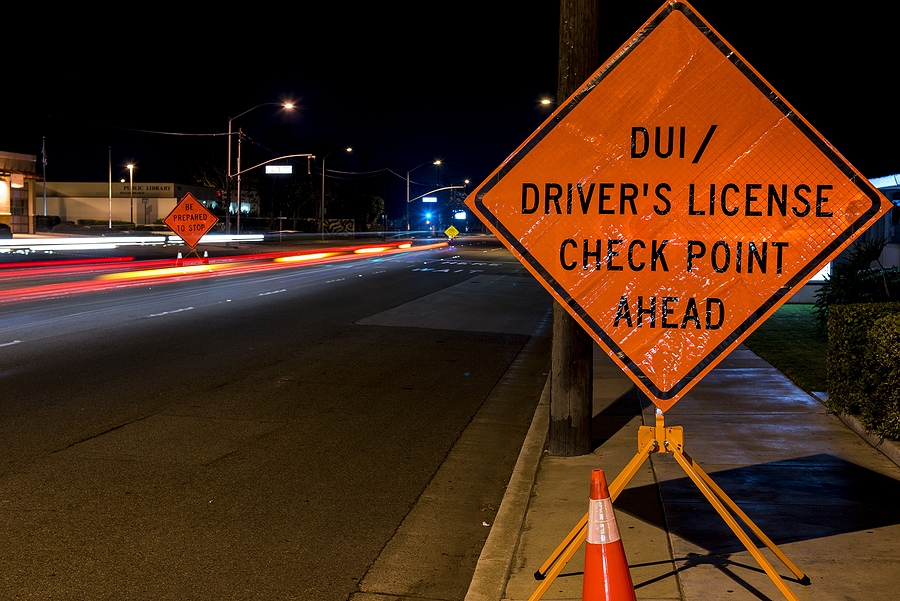
Driving home after a night out with friends, you notice flashing lights ahead and cars slowly moving through what appears to be a checkpoint. Your heart races as you wonder what to expect and what rights you have during this encounter. DUI checkpoints are a reality for Indiana drivers, and understanding your legal position can make all the difference in how you handle these situations.

DUI checkpoints serve as a preventive measure against drunk driving, but they also raise important questions about individual rights and police authority. Whether you’re a seasoned driver or new to Indiana’s roads, knowing what happens at these stops—and what you’re legally required to do—can protect you from unnecessary complications and help you navigate the process with confidence.

This guide will walk you through everything you need to know about DUI checkpoints in Indiana, from your constitutional rights to the potential consequences of a DUI arrest, ensuring you’re prepared for any roadside encounter.
Call 317-876-9600  if You Need a DUI Bail Bondsman in Indianapolis Indiana
Call 317-876-9600 if You Need a DUI Bail Bondsman in Indianapolis Indiana

Legal Foundation of DUI Checkpoints in Indiana

DUI checkpoints operate under specific legal authority established by both federal and state law. The landmark U.S. Supreme Court case Michigan Dept. of State Police v. Sitz, 496 U.S. 444 (1990) established the constitutionality of DUI checkpoints, determining that the public safety benefits outweigh the minimal intrusion on individual privacy rights.

Indiana law enforcement agencies conduct these checkpoints to detect impaired drivers and remove them from the roads before they cause accidents. The checkpoints must follow strict guidelines to remain constitutional, including proper advance notice to the public, neutral selection criteria for stopping vehicles, and clear safety protocols for both officers and drivers.

These stops are considered administrative in nature rather than criminal investigations, which means they don’t require the same level of suspicion typically needed for a traffic stop. However, this doesn’t mean law enforcement has unlimited authority during these encounters.

Understanding Your Rights at DUI Checkpoints

Your rights at a DUI checkpoint are protected by the Fourth Amendment, but they differ from your rights during a regular traffic stop. You have the right to remain silent beyond providing basic identification information. While you must present your driver’s license, vehicle registration, and proof of insurance when requested, you’re not required to answer questions about where you’ve been, what you’ve been drinking, or your activities that evening.

You also have the right to refuse field sobriety tests, though this refusal may have consequences under Indiana’s implied consent laws. The breathalyzer test presents a more complex situation—while you can technically refuse, doing so triggers automatic license suspension under Indiana Code 9-30-6-2, regardless of whether you’re ultimately convicted of DUI.

One crucial right that many drivers don’t realize they have is the ability to turn around and avoid the checkpoint entirely, provided they do so safely and legally. If you can make a legal U-turn or take an alternate route before entering the checkpoint area, you’re free to do so. However, attempting to avoid the checkpoint in an illegal manner—such as making an unsafe turn or driving recklessly—can result in a separate traffic stop.

What to Expect During a DUI Stop

When you approach a DUI checkpoint, officers will typically direct you to a designated lane where they’ll conduct a brief initial screening. This process usually takes just a few minutes for drivers who show no signs of impairment. The officer will ask for your license, registration, and insurance, and may engage in brief conversation to assess your condition.

During this interaction, officers are trained to look for signs of intoxication, including the smell of alcohol, bloodshot or glassy eyes, slurred speech, and unusual behavior. If an officer suspects impairment, you may be directed to a secondary screening area where more thorough testing occurs.

The secondary screening process can involve field sobriety tests, which may include walking in a straight line, standing on one leg, or following a pen or flashlight with your eyes. Officers may also request a preliminary breath test using a portable breathalyzer device. Remember that these roadside breath tests are different from the formal chemical test conducted at the police station, and the results may not be admissible in court.

If officers determine there’s probable cause to believe you’re driving under the influence, you’ll be arrested and transported for formal chemical testing. At this point, the breathalyzer test becomes mandatory under implied consent laws, and refusing it will result in automatic license suspension.

Contact Our Indianapolis Bail Agents for Help Now

Serious Consequences of DUI in Indiana

A DUI arrest in Indiana carries severe penalties that can impact your life for years. First-time offenders face fines up to $5,000, potential jail time of up to one year, and license suspension for up to two years. The court may also require alcohol education programs, community service, and installation of an ignition interlock device.

Second and subsequent DUI offenses carry increasingly harsh penalties, including longer jail sentences, higher fines, and extended license suspensions. A second offense within five years is classified as a Level 6 felony, which can result in six months to two and a half years in prison.

Beyond the legal penalties, a DUI conviction affects your insurance rates, employment opportunities, and professional licensing. Many employers conduct background checks, and a DUI conviction can disqualify you from certain positions, particularly those involving driving or operating machinery.

The financial impact extends beyond fines and court costs. You’ll face increased insurance premiums, potential vehicle impoundment fees, and costs associated with license reinstatement. The total cost of a first DUI offense can exceed $5,000 when all expenses are considered.

Preventing DUI Situations

The most effective way to avoid DUI checkpoints complications is simple: don’t drive after drinking. Plan ahead by designating a sober driver, using rideshare services, or arranging alternative transportation. Even small amounts of alcohol can impair your judgment and reaction time, and individual tolerance varies significantly based on factors like body weight, food consumption, and medications.

Understanding blood alcohol content (BAC) limits is crucial. Indiana’s legal limit is 0.08% for drivers over 21, but you can be charged with DUI at lower levels if your driving is impaired. Commercial drivers face a 0.04% limit, and drivers under 21 have a zero-tolerance policy with a 0.02% limit.

If you’re taking medications—whether prescription or over-the-counter—be aware that they can interact with alcohol or cause impairment on their own. Some medications carry warnings about operating machinery, which includes driving.

Getting Help: The Bail Bond Process

If a friend or family member is arrested at a DUI checkpoint, understanding the bail bond process can help you secure their release quickly. After arrest, the individual will be taken to jail for booking and processing, which can take several hours depending on the facility’s current workload.

Bail is typically set within 24-48 hours of arrest, either by a preset bail schedule or at a bail hearing. DUI bail amounts vary based on factors such as prior criminal history, the specific charges, and flight risk assessment. First-time DUI arrests often have lower bail amounts than repeat offenses.

Indianapolis bail bonds services can help when you can’t afford to pay the full bail amount. A bail bondsman typically charges a non-refundable fee of 10-15% of the total bail amount and provides the court with a guarantee that the defendant will appear for all scheduled court dates.

Working with an experienced bail bond company ensures faster processing and can help navigate the complexities of the system. They understand local court procedures and can often expedite the release process, getting your loved one out of jail in a matter of hours rather than days.

Final Thoughts

DUI checkpoints represent law enforcement’s commitment to road safety, but they also highlight the importance of understanding your rights and responsibilities as a driver. Being informed about the checkpoint process, knowing your legal options, and planning ahead can help you navigate these situations with confidence.

If you find yourself facing DUI charges after a checkpoint stop, time is critical. The sooner you address bail and begin building your defense, the better your chances of minimizing the impact on your life. Remember that a DUI arrest doesn’t automatically mean conviction—you have rights throughout the legal process.

Don’t let a DUI arrest derail your life or keep your loved one behind bars longer than necessary. Contact us today for immediate bail bond assistance and get the professional help you need to navigate this challenging situation. Our experienced team is available 24/7 to provide fast, reliable service when you need it most.

Call Now to Get Started

Related Post: Common Delays in Obtaining a Bail Bond for Someone

Bailing a Friend Out of Jail After a Public Intoxication Arrest in Indianapolis

When your friend gets arrested for public intoxication in Indianapolis, the confusion and stress can feel overwhelming. You’re likely wondering where they are, how serious the charges might be, and most importantly, how quickly you can help them get released. Understanding the arrest process and your options can make all the difference in navigating this challenging situation effectively.

Public intoxication arrests happen more frequently than many people realize, especially in Indianapolis’s bustling downtown area, Broad Ripple, and Mass Ave entertainment districts. Under Indiana Code, public intoxication is classified as a Class C misdemeanor, which means being in a public place while intoxicated to the degree that you endanger yourself, another person, or property, or breach the peace or engage in harassment. While this might seem like a minor offense, the legal and personal consequences can be more significant than expected.

Your friend’s well-being and future are on the line, but with the right information and quick action, you can help them through this difficult time. This guide will walk you through everything you need to know about the bail process, legal requirements, and practical steps to secure their release from custody.

Call 317-876-9600 When You Need an Indianapolis Bail Bond in Marion County

Public Intoxication Bail Bonds: What You Need to Know

Immediate Steps: Locating Your Friend and Understanding the Situation

The first priority after learning about your friend’s public intoxication arrest is confirming their location and gathering essential information. Start by contacting the Indianapolis Metropolitan Police Department or the Marion County Sheriff’s Office to verify the arrest and determine which facility is holding your friend.

When you call, you’ll need your friend’s full name and approximate time of arrest. The intake process typically takes several hours, so don’t panic if they’re not immediately listed in the system. Most individuals arrested for public intoxication in Indianapolis are initially held in what’s commonly called the drunk tank—a secure area within the jail where arrestees are held until they’re sober enough to be processed.

The typical stay in the drunk tank ranges from 8 to 24 hours, depending on the individual’s level of intoxication and behavior/cooperation. During this time, your friend will be monitored by medical staff and cannot be released until they’re deemed sober and capable of caring for themselves.

Once your friend has been processed and moved from the drunk tank to general holding, you can begin exploring bail options. Document the arrest details, including the specific charges, case number, and scheduled court date, as this information will be crucial for the next steps.

Understanding Bail for Public Intoxication Charges

Bail bonds serve as a financial guarantee that your friend will appear for all required court proceedings. For public intoxication arrests in Indianapolis, bail amounts typically range from $500 to $2,000, though the exact amount depends on factors like prior criminal history, the specific circumstances of the arrest, and the judge’s discretion.

If your friend has no prior arrests or outstanding warrants, they may be eligible for Release on Own Recognizance (ROR), which means they can be released without paying bail based solely on their promise to appear in court. However, this option isn’t guaranteed and depends on the court’s assessment of flight risk and community ties.

When ROR isn’t available, you’ll need to work with an Indianapolis bail bondsman like Woods Bail Bonds, which operates throughout Northern, Central, and Southern Indiana. The bail process involves several key steps:

  1. Initial Assessment: The court sets a bail amount based on the severity of the charges and your friend’s background. A bail bondsman will evaluate this amount and determine the premium you’ll need to pay.
  2. Contact and Application: Reach out to Woods Bail Bonds to begin the application process. You’ll need to provide personal information about both yourself and your friend, including employment details, addresses, and contact information.
  3. Financial Arrangements: Typically, you’ll pay a premium of 8-15% of the total bail amount. For a $1,000 bail, this means paying $80-150 to the bondsman. You may also need a cosigner if the bondsman determines additional security is necessary.

Contact Our Marion County Bail Bondsmen Today!

Working with a Bail Bondsman: The Release Process

A qualified Marion County bail bond company can expedite your friend’s release significantly. Woods Bail Bonds specializes in handling these situations quickly and professionally, understanding the urgency families and friends feel when their loved ones are in custody.

Signing the Contract

The bail agreement you’ll sign makes you responsible for ensuring your friend appears at all court dates. If they fail to appear, you become financially liable for the full bail amount. This responsibility extends beyond just the money—you’re essentially vouching for your friend’s reliability and commitment to following through with the legal process.

Making the Payment

Payment options typically include cash, credit cards, or collateral such as property or valuable assets. Some bail bond companies also offer payment plans, though these usually come with additional fees and stricter terms.

Bond Processing

Once the paperwork is complete and payment is processed, the bondsman posts the bond with the court. Your friend’s release can take anywhere from 1-4 hours after the bond is posted, depending on jail processing times and current facility capacity.

Legal Representation and Long-Term Consequences

While public intoxication might seem like a minor charge, having legal representation can significantly impact the outcome. A qualified attorney familiar with local courts and prosecutors can often negotiate reduced charges or alternative sentencing options.

Class C misdemeanor charges carry potential penalties of up to 60 days in jail and fines up to $500. However, the long-term consequences extend beyond immediate penalties. A conviction creates a permanent criminal record that can appear on background checks for employment, housing applications, and professional licensing.

Many people mistakenly believe public intoxication charges won’t impact their future, but employers and landlords often view any criminal conviction as a red flag. Additionally, multiple public intoxication arrests can lead to enhanced penalties and may indicate underlying substance abuse issues that courts will address more seriously.

An experienced attorney can explore options like:

  • Diversion programs that allow charges to be dismissed upon completion of community service or alcohol education classes
  • Plea negotiations that reduce the charge to a non-criminal infraction
  • Alternative sentencing that focuses on treatment rather than punishment

Prevention and Future Considerations

Understanding how public intoxication arrests typically occur can help prevent future incidents. Indianapolis police frequently patrol high-activity areas like downtown during major events, sporting venues during games, and popular nightlife districts on weekends.

Arrests most commonly happen when individuals are visibly impaired in public spaces, causing disturbances, or unable to care for their own safety. Having a designated driver, staying with a group, and knowing your limits can significantly reduce the risk of arrest.

The financial and emotional costs of these arrests extend beyond immediate bail and legal fees. Court costs, attorney fees, potential job loss from missing work, and the stress on personal relationships all compound the impact of what might seem like a simple mistake.

Your Next Steps

Dealing with a friend’s public intoxication arrest requires quick thinking and informed decision-making. The confusion and uncertainty surrounding the legal processes can feel overwhelming, but understanding your options empowers you to take effective action.

Remember that time is often critical in these situations. The sooner you begin the bail process, the sooner your friend can return home and begin addressing the legal challenges ahead. Don’t let confusion or hesitation delay action when professional help is available.

If your friend is currently in custody for a public intoxication arrest in Indianapolis, contact Woods Bail Bonds immediately for fast, professional assistance. Our experienced team can guide you through the entire bail bond process and help secure your friend’s release as quickly as possible.

Call Now to Get Started With Bail

Related Post: Common Delays in Obtaining a Bail Bond for Someone
Was Your Friend Arrested in Kokomo, Indiana? How to Bail Them Out of Jail

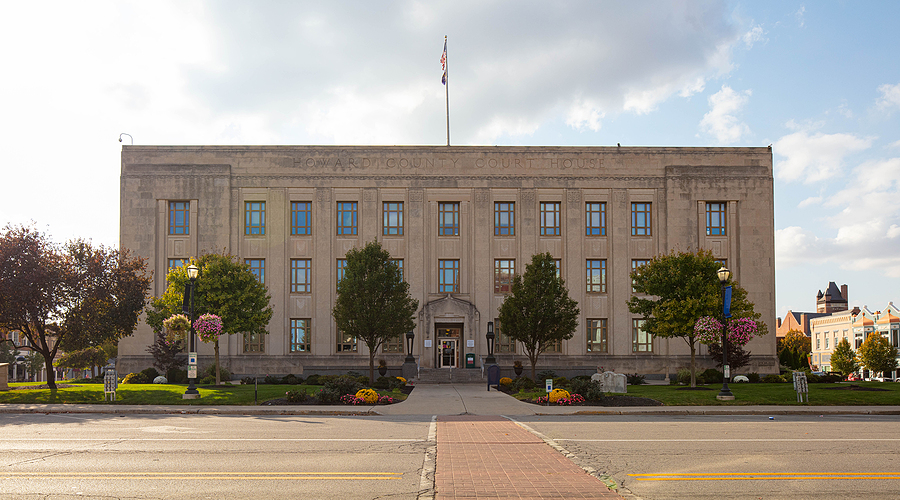
Getting a call that your friend or family member has been arrested in Kokomo, Indiana can be overwhelming and frightening. Your mind races with questions: What happens next? How do you get them out? What will it cost? Understanding the Howard County bail process is crucial for navigating this stressful situation effectively.

Howard County, where Kokomo is located, follows Indiana state laws for arrests and bail procedures. The county’s proximity to larger cities like Indianapolis means you’ll have access to numerous legal resources and experienced bail bondsmen who understand the local system. However, each case is unique, and knowing your options can make all the difference in securing your loved one’s release quickly and affordably.

This guide walks you through everything you need to know about the Howard County bail bond process, from understanding how arrests work to finding a reputable bail bondsman in Kokomo, Indiana.

Call 765-644-0400 if You are Looking for a Howard County Bail Bondsman

Understanding the Arrest Process in Howard County

When someone is arrested in Kokomo, they’re typically taken to the Howard County Jail for processing. This procedure, known as booking, involves several steps that can take anywhere from one to several hours to complete.

Booking

During booking, your friend will be photographed, fingerprinted, and their personal information will be recorded. Their belongings are catalogued and stored securely. The arresting officers will also run background checks to identify any outstanding warrants or previous criminal history that might affect bail eligibility.

Arraignment

After booking is complete, your friend will appear before a judge for an initial hearing (or arraignment), usually within 24-48 hours of arrest. During this hearing, the judge will determine whether bail is appropriate and, if so, set the bail amount. The judge considers several factors when making this decision, including the severity of the charges, your friend’s criminal history, flight risk, and ties to the community.

Some minor offenses may qualify for pre-set bail amounts, allowing for release before the initial hearing. However, more serious charges typically require a judge’s determination during the formal hearing process.

Ways to Bail Someone Out in Kokomo, IN

Once bail is set, you have several options for securing your friend’s release from the Howard County Jail. Understanding these options helps you choose the most appropriate method for your situation.

Cash Bail

The most straightforward option is paying the full bail amount in cash directly to the court. If your friend appears for all required court dates, the entire amount is refunded, minus any applicable court fees. However, bail amounts can range from hundreds to tens of thousands of dollars, making cash bail financially challenging for many families.

Property Bond

Howard County may accept property as collateral for bail bonds. This option requires that you own property worth significantly more than the bail amount. The court places a lien on the property, which is removed once the case concludes and all court appearances are met. Property bonds involve additional paperwork and appraisal processes, making them more time-consuming than other options.

Surety Bond Through a Bail Bondsman

The most common choice is working with a Howard County bail bondsman. You’ll pay a premium, typically between 10% and 15% of the total bail amount, and the bondsman posts the full bail. This option makes bail affordable for most families, though the premium is non-refundable.

Working with a Howard County Bail Bondsman

Bail bondsmen in Howard County provide essential services for families facing the Howard County bail bond process. These professionals understand local procedures and can expedite your friend’s release from jail in Kokomo, Indiana.

When you contact a bail bondsman, they’ll explain the bail bond process and required documentation. You’ll need to provide information about your friend, including their full name, booking number, charges, and bail amount. The bondsman will also require identification and proof of income from anyone signing as a co-signer.

Most reputable bondsmen offer 24/7 services, understanding that Kokomo Indiana arrests can happen at any time. They’ll walk you through the paperwork, explain your responsibilities as a co-signer, and arrange for your friend’s release as quickly as possible.

The bail bond cost in Howard County typically includes the premium plus any additional fees for services like payment plans or collateral handling. Some bondsmen may offer financing options for families who cannot afford the full premium upfront.

Contact Our Kokomo Bail Bond Company Today!

What Happens After Bail?

Once your friend is released on bail, they must comply with specific conditions set by the court. These conditions typically include appearing for all scheduled court dates, avoiding contact with alleged victims, and refraining from illegal activities.

Your friend will receive documentation outlining their bail conditions and court dates. Missing a court appearance can result in bail revocation and a warrant for their arrest. As a co-signer, you’re responsible for ensuring your friend understands and follows these requirements.

If your friend fails to appear in court, the bail bondsman will initiate recovery procedures to locate and return them to custody. This situation can result in additional costs and legal complications for everyone involved.

Successful completion of the bail period means your obligations end when the case concludes, whether through dismissal, plea agreement, or trial. The bail bondsman’s liability is also released at this point.

Finding a Reputable Bondsman

Choosing the right Howard County bail bondsman is crucial for a smooth bail bond process. Look for bondsmen who are licensed, experienced, and transparent about their fees and procedures.

Start by checking with the Indiana Department of Insurance to verify a bondsman’s license status. Ask about their experience with Howard County cases and their availability for emergency situations. A reputable bondsman should clearly explain all costs upfront and provide written agreements detailing your responsibilities.

Consider reading online reviews and asking for references from previous clients. Reliable bondsmen maintain professional offices and provide clear communication throughout the process. They should also be willing to answer questions about bail co-signing responsibilities and potential risks.

Avoid bondsmen who pressure you into decisions, demand upfront payments before explaining terms, or refuse to provide written documentation. Working with established, local professionals often provides better service and understanding of Howard County procedures.

Frequently Asked Questions

How quickly can a bail bond be processed in Howard County?

Most bail bonds can be processed within 2-4 hours once all paperwork is complete and payment is received. However, release times depend on jail processing procedures and can be longer during busy periods or weekends.

What types of collateral are accepted for a bail bond?

Howard County bail bondsmen typically accept real estate, vehicles, jewelry, or other valuable assets as collateral. The collateral value must exceed the bail amount, and you must provide proof of ownership.

What happens if the defendant violates the terms of their release?

Bail violations can result in immediate arrest and return to custody. The court may revoke bail entirely, meaning your friend remains in jail until trial. As a co-signer, you may also lose any collateral posted.

Are there any additional fees besides the bail bond premium?

Some bondsmen charge additional fees for services like payment plans, collateral evaluation, or travel expenses. These fees should be clearly explained before signing any agreements.

Can I get a refund if the charges are dropped?

The bail bond premium is non-refundable, even if charges are dropped or dismissed. This fee compensates the bondsman for their services and assumes the risk of posting bail.

What are the responsibilities of a bail co-signer?

Co-signers are responsible for ensuring the defendant appears in court, may be liable for the full bail amount if the defendant flees, and must provide accurate information about their income and assets.

What should I do if I can’t afford a bail bondsman?

Some bondsmen offer payment plans or may accept smaller down payments. You can also explore property bonds or ask family members to help with costs. Public defenders can provide information about alternatives for indigent defendants.

Taking Action When Time Matters

Navigating a Kokomo Indiana arrest situation requires quick thinking and reliable information. Understanding the Howard County bail bond process empowers you to make informed decisions that protect your friend’s interests and your financial security.

Remember that time is often critical in these situations. The sooner you begin the bail process, the sooner your friend can return home to prepare their defense with their attorney. Having the right information and working with experienced professionals makes this challenging time more manageable.

Note: This blog post provides general information only and should not be considered legal advice. Consult with a qualified attorney for specific legal guidance regarding your situation.

If you need immediate assistance with a Howard County bail bond, contact us today at 765-644-0400. Our experienced team understands the local Kokomo, Indiana jail and court system and is available 24/7 to help guide you through this process.

Call Now to Talk to a Bail Agent

Related Post: The Quickest Way to Bond Out of Jail in Kokomo Indiana

How to Prepare for Court After Being Released on Bond

Being released on bond provides temporary freedom, but it also comes with significant responsibilities. The period between your release and court appearance is crucial for building a strong defense and ensuring the best possible outcome for your case. Many people make costly mistakes during this time that can jeopardize their freedom and legal standing.

Proper court preparation while out on bond involves understanding your bail bond conditions, gathering essential documents, working closely with your attorney, and preparing yourself mentally and physically for your day in court. The stakes are high—violating bond conditions can result in immediate re-arrest, while poor preparation can weaken your defense and lead to harsher penalties.

This guide will walk you through the essential steps to prepare for your upcoming court appearance after being released on bond. Whether you’re facing an arraignment (your first court hearing where charges are formally presented) or a trial, following these preparation steps can make a significant difference in your case outcome.

Call 317-876-9600 if You Require a Bail Bond Release From Jail in Indiana

Understanding Your Bond Conditions

Your bail bond agreement contains specific rules you must follow while awaiting trial. These bond conditions are legally binding requirements, and violating them can result in your immediate return to jail and forfeiture of your bond money.

Common Bond Conditions Include:

  • Court Appearance Requirements: You must attend all scheduled court dates without exception
  • Travel Restrictions: Many bonds limit travel to specific counties or states
  • Contact Restrictions: You may be prohibited from contacting certain individuals, including alleged victims or witnesses
  • Substance Use Limitations: Alcohol consumption or drug use restrictions are common
  • Employment Requirements: Some bonds require you to maintain steady employment
  • Check-in Obligations: Regular reporting to a bail bond agent or court officer
  • Weapon Restrictions: Prohibition from possessing firearms or other weapons

Consequences of Violating Bond Conditions

Bond violations carry severe consequences. If you violate any condition of your bail bond rules, law enforcement can arrest you immediately without a new warrant. The court may revoke your bond entirely, meaning you’ll remain in custody until your trial concludes. Additionally, you’ll forfeit any money paid for the bond, and your bail bondsman may pursue collection of the full bond amount.

Local regulations often include additional restrictions. For example, some jurisdictions impose curfews, require electronic monitoring, or mandate participation in treatment programs. Understanding these specific requirements is essential for maintaining your freedom.

Gathering Documents and Evidence

Building a strong criminal defense requires comprehensive documentation and evidence collection. Start this process immediately after your release, as some evidence may become unavailable over time.

Essential Documents to Collect:

  • Personal identification documents (driver’s license, passport, Social Security card)
  • Employment records including pay stubs, tax returns, and employment verification letters
  • Financial documents such as bank statements and proof of assets
  • Character references from employers, community members, or religious leaders
  • Medical records if relevant to your case
  • Phone records, emails, or text messages that may support your defense
  • Receipts or documentation proving your whereabouts during the alleged incident
  • Photographs of relevant locations, injuries, or property damage

Evidence Collection Strategies

Work systematically to gather evidence that supports your case. Take photographs of relevant locations while they remain unchanged. Collect contact information for potential witnesses who can testify on your behalf. If your case involves property damage or physical evidence, document its current condition.

Organize all documents in clearly labeled folders, both physical and digital copies. Your attorney will need easy access to this information to build your defense effectively. Remember that some evidence has time limits—security camera footage, for instance, is often deleted after a certain period.

Talk to a Bail Bondsman in Indiana Now

Working with Your Attorney

Effective communication with your attorney is crucial for proper court preparation. Your lawyer serves as your advocate and guide through the complex legal process, but they need your full cooperation to provide the best possible representation.

Maintaining Regular Communication

Schedule regular meetings with your attorney to discuss case developments and preparation strategies. Come prepared with questions and provide updates about any changes in your circumstances. Be completely honest about all aspects of your case—attorney-client privilege protects these conversations.

Share all evidence and documentation you’ve collected. Your attorney can assess the relevance and admissibility of different pieces of evidence. They may also identify additional evidence that could strengthen your defense.

Collaborative Case Preparation

Your attorney will guide you through the discovery process, where both sides exchange evidence and information. They’ll help you understand what to expect during different court proceedings and prepare you for various scenarios.

Discuss potential plea bargain opportunities if they arise. A plea bargain is an agreement where you might plead guilty to reduced charges in exchange for a lighter sentence. While not always appropriate, understanding these options helps you make informed decisions about your case.

Preparing for Court Testimony

If your case goes to trial, you may need to testify on your own behalf. Proper preparation for testimony can significantly impact how the judge and jury perceive your case.

Testimony Preparation Tips:

  • Practice answering questions about the events surrounding your charges
  • Review your statements to law enforcement to ensure consistency
  • Understand courtroom procedures and when you’ll be called to testify
  • Prepare for cross-examination where opposing counsel will question you
  • Focus on facts rather than emotions or opinions
  • Practice speaking clearly and at an appropriate volume

Courtroom Behavior and Appearance

Your demeanor in court influences how others perceive your case. Dress professionally in conservative business attire. Arrive early to familiarize yourself with the courtroom layout and procedures.

During proceedings, remain respectful to all court personnel, including the judge, court clerk, and bailiff. Stand when the judge enters or exits, address the judge as “Your Honor,” and avoid emotional outbursts regardless of what you hear.

Never discuss your case with unauthorized individuals, including other defendants, court observers, or media representatives. These conversations could potentially compromise your defense strategy.

Frequently Asked Questions

What are the most common bond conditions I need to follow?

The most common conditions include attending all court dates, avoiding contact with victims or witnesses, staying within specified geographic boundaries, maintaining employment, and avoiding alcohol or drugs.

How do I gather the necessary documents and evidence for my case?

Start immediately by collecting personal documents, employment records, financial statements, and any evidence related to your charges. Take photographs, gather witness contact information, and organize everything for your attorney.

Why is it important to stay in contact with my attorney?

Regular communication ensures your attorney has current information about your case and circumstances. It also helps you understand court procedures and make informed decisions about plea agreements or trial strategies.

What should I wear and how should I behave in court?

Dress in conservative business attire and maintain respectful behavior at all times. Stand when the judge enters, address them as “Your Honor,” and avoid emotional reactions during proceedings.

What happens if I violate my bond conditions?

Violating bond conditions can result in immediate arrest, bond revocation, and forfeiture of bond money. You may remain in custody until your trial concludes.

Can I travel while out on bond?

Travel restrictions vary by case and jurisdiction. Many bonds limit travel to specific counties or require court permission for travel outside designated areas. Check your specific bond conditions and consult your attorney.

Conclusion

Preparing for court after being released on bond requires dedication, organization, and strict compliance with all requirements. The period between your release and court appearance offers an opportunity to build the strongest possible defense while demonstrating your commitment to the legal process.

Remember that this information is for educational purposes only and does not constitute legal advice. Every case has unique circumstances that require professional legal guidance. Your attorney can provide specific advice tailored to your situation and local laws.

The steps you take now directly impact your case outcome. Stay organized, follow all bond conditions, communicate regularly with your attorney, and prepare thoroughly for court proceedings. Taking these responsibilities seriously demonstrates respect for the legal process and positions you for the best possible resolution.

If you need professional bail bond services, contact us today. Our experienced team can help you understand your options and navigate the bail process with confidence and support.

Place Your Call Now

Related Post: Understanding Indiana Court Requirements After Getting Out of Jail on Bail