Navigating Indiana’s Citation Release System

Finding yourself on the wrong side of the law can be a bewildering experience, especially when it’s your first brush with legal trouble. Indiana, like most states, has a straightforward system in place for minor offenses that doesn’t always necessitate the traditional bail bond process. In this overview, we’ll explore Indiana’s citation release system and when it is applicable for residents who have encountered legal trouble for the first time.
Call 317-876-9600 for Arrest Warrant Bail Bonds in Indianapolis

Understanding Indiana’s Citation Release

What is a Citation Release?

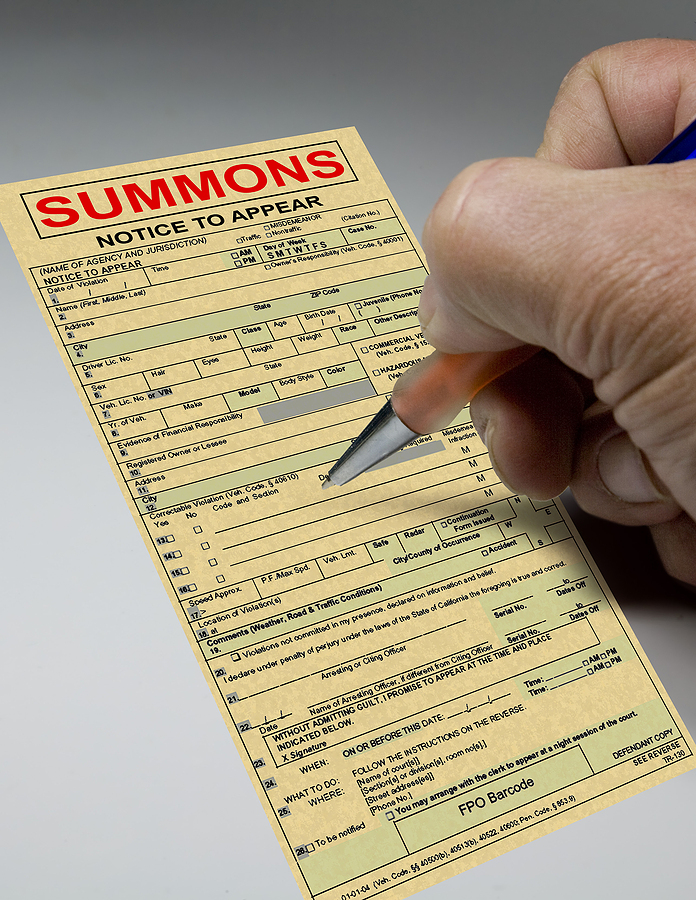
In Indiana, individuals arrested for certain non-violent misdemeanors or infractions may be eligible for a citation release, which allows them to be released from custody without the need to post bail. Instead of being taken to jail, the officer has the discretion to write a citation with a court date, after which the individual is free to go. This system aims to reduce overcrowding in jails and allows law enforcement resources to be focused on more serious offenses.

Qualifying Offenses for Citation Release

Offenses that typically qualify for citation release in Indiana include:

  • Minor drug offenses, such as possession of small amounts of marijuana
  • Petty theft or shoplifting below a certain dollar amount
  • Traffic violations

However, the specifics can vary by county and depend on the circumstances of the case. Always consult with legal counsel to determine eligibility for citation release.

Do You Need a Bail Bond for a Citation Release?

For those released via citation, there is no need for bail since they do not go to jail. However, a bail bond might be required if the defendant does not fulfill their citation release conditions. In such a case, an arrest warrant would be issued, and the defendant would need to turn themselves in. A bail bondsman can provide prearranged bail bond services for those surrendering to a warrant. This speeds up the process and gets the individual out of jail faster.

Do You Need a Bail Bond?

For those who are not granted a citation, and instead taken to jail, the question of a bail bond becomes pivotal. A bail bond is a financial guarantee that the defendant will appear at all scheduled court dates. Basically, it is a promise (backed by a lot of money) that they won’t flee. It is usually required for more serious offenses or for individuals with a past record. Determining factors for needing a bail bond include:

  • The nature and severity of the crime
  • Prior criminal activity by the individual
  • Whether the defendant is considered a flight risk

Bail Bond Payment Options:

There are several ways to pay for a bail bond:

  • Paying the full bail amount in cash or cashier’s check
  • Utilizing collateral, such as property or valuable assets
  • Hiring a bail bond agency that requires a, upfront non-refundable fee, usually 10%-15% of the bail, to act as a surety for the full amount

Steps in Securing a Bail Bond

With a bail bond, the process typically involves:

  1. Contacting a bail bondsman who will ask for details of the case and the amount of bail set by the court
  2. The co-signer (usually a family member or friend of the defendant) fills out an application and pays the premium, usually 10-15% of the bail amount
  3. The bail bondsman posts the bond and the defendant is released, with the understanding that they will appear in court when required

Common Requirements and Costs

Bail bond requirements and associated costs can vary, but some common ones include the co-signer needing to be 18 years old or older, having a valid government-issued ID, and paying the premium upfront. Costs can range from a few hundred to several thousand dollars, depending on the bail amount set by the court.

Insight for First-Time Offenders

Supportive Advice for a Challenging Time

The experience of a first offense can be overwhelming, but it’s important to remain calm and take the situation seriously. Seeking legal counsel and understanding your rights are paramount. Remember, admitting guilt may have long-term consequences, especially if you intend to fight the charges or if your future may depend on maintaining a clean criminal record.

Resources for Understanding Legal Rights

There are various resources available to individuals facing legal trouble for the first time. Local legal aid societies often provide low-cost or free legal services for qualifying individuals. Additionally, public defenders are available for those who cannot afford to hire an attorney. You may also want to seek information on diversion programs that could offer a path to avoiding formal charges.

Conclusion

Understanding Indiana’s citation release system and knowing when a bail bond may be necessary is crucial for any resident facing legal trouble. This comprehension ensures the proper steps are taken to secure timely release, with minimal financial burden, for those who qualify for citation releases. If the situation escalates to requiring a bail bond, seeking guidance from a reputable bail bondsman is the next logical step.

For those navigating their first encounter with the law, remember that accessing resources and legal support can significantly influence the outcome of your case. While this guide provides a broad understanding, individual cases may require specific legal advice.

If you find yourself in need of legal support or a bail bond, do not hesitate to reach out to professionals who can provide personalized guidance. Contact Woods Bail Bonds at 317-876-9600 for 24 hour bail bond services in Indianapolis, Indiana you can trust. We also offer prearranged bail bond service for arrest warrants and probation violations.

Related Posts:

The Benefits of a Pre-Trial Release
Can I Be Arrested For Making Prank Calls?
My Friend Was Just Arrested. What Happens Next?

Navigating  Nashville Indiana Bail Bonds: How to Assist a Friend in Brown County Jail

Finding yourself or someone close in the unexpected situation of needing a bail bond can be overwhelming, especially if you’re unfamiliar with the process. For those in Nashville, Indiana, and its visitors, being knowledgeable about the local bail system in Brown County can mean the difference between a swift resolution and prolonged uncertainty.

This comprehensive guide is designed to arm you with the knowledge essential to navigating Nashville Indiana’s bail bonds system, enabling you to assist a friend or family member when they need it most.

Call 812-333-3399 for Brown County Indiana Bail Bonds

Understanding the Bail Process in Nashville, Indiana

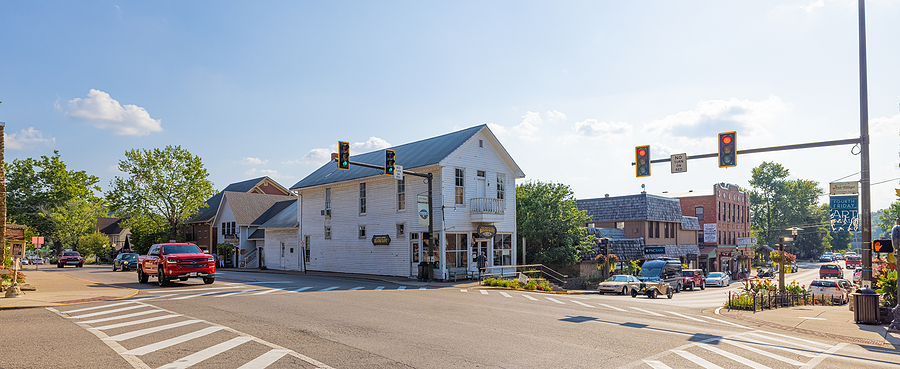
Nashville, Indiana, may evoke images of its vibrant tourist scene, but for those entangled within its legal system, understanding the local bail bond process is crucial. The bail system in Nashville works much like the rest of the state, with the primary goal being to ensure that the accused appears in court for their scheduled hearings.

When an individual is arrested in Brown County, Indiana, for a crime, they are taken into custody and booked into the local jail. A bail hearing then typically takes place, at which time a judge will set a bail amount based on various factors, including the severity of the offense and the individual’s criminal history. To secure the release of the detained individual before their court date, a bail bond can be posted.

Types of Bail Bonds in Brown County IN

Nashville and Brown County offer several options for posting bail, each with its own conditions and procedures. These include:

  • Cash Bail: The full amount of the bail is paid in cash or a cash equivalent, which is refunded if the defendant appears at all their court dates but is forfeited if they do not.
  • Surety Bond: This type of bail involves a third-party surety, usually a bail bondsman, who guarantees the court that they will pay the full bail amount if the defendant misses their court date.
  • Property Bond: Some states and jurisdictions allow defendants to use property, such as a home or land, as collateral against their bail bond.
  • Citation Release: For minor offenses, law enforcement can issue a citation instead of detaining the individual, with a promise to appear in court on a specified date.

Understanding these options is imperative, as they can have varying financial implications and legal responsibilities.

The Average Cost of a Bail Bond in Brown County

The cost of a bail bond in Brown County, Indiana can vary widely, depending on the bail amount set by the judge. Bail bond companies usually charge a non-refundable fee, which in Indiana is set at 10% to 15% of the bail amount for the bond.

For example, if the bail is set at $5,000, the fee for a bail bondsman’s service would be $500. But it’s not this simple, as other charges and fees may apply. Understanding these costs beforehand helps to manage expectations and finances effectively.

Assisting a Friend in Jail: What to Do Next

Discovering a friend is in jail can be alarming, but there are immediate steps you can take to help ensure their proper assistance.

Steps to Take When a Friend Is in Jail

  1. Find Out Where They Are: Upon arrest, your friend should be able to inform you of their location and the nature of the charges. If not, you can call the local Brown County police department or jail and ask.
  2. Contact a Bail Agent: Bail bonds are crucial, so initiate the process of finding a good bail bond company that can offer 24 hour bail bond assistance in the county of arrest.
  3. Get the Bail Amount: To assist them with securing bail, determine the amount set and the types of bail accepted, which can be obtained from your friend or through legal channels.

Finding a Reputable Bail Bondsman in Nashville, Indiana

It’s essential to work with a trustworthy and experienced bail bondsman when seeking a bond in Nashville, Indiana. Look for a licensed professional with a solid reputation who can guide you through the process and answer your questions with clarity.

Ask for recommendations from local attorneys and consult online reviews to gauge the bail bondsman’s reliability and track record. Transparency about fees and any potential risks involved in the process is a positive indicator of a reputable bail bondsman.

Understanding Liability as a Cosigner

Cosigning for a bail bond is a significant responsibility and should not be taken lightly. As a cosigner, you are guaranteeing that the defendant will appear at all of their court dates. If they fail to do so, you are liable for the full bail amount, as well as any additional expenses the bail bondsman incurs.

Consider the implications carefully before agreeing to be a cosigner, and ensure you have clear communication with the defendant to understand their commitment to court appearances.

Local Insights and Resources

For a smoother experience with the bail process in Nashville and Brown County, Indiana, tap into local resources that can offer insights and support.

Community Support and Information

Engage with local support groups or organizations that specialize in assisting with legal matters. They can provide community-specific guidance and may even offer connections to legal professionals and bail bond experts.

Legal Aid Clinics

In cases where financial resources for legal assistance are limited, Legal Aid Clinics can be a valuable resource, offering free or low-cost legal services to qualified individuals. They can provide counsel on navigating the bail process and connecting you with reliable bail bond companies.

Available Technology and Applications

Take advantage of modern solutions, such as mobile apps designed to help process bail bonds more efficiently. Some apps offer resources to find and communicate with bail bondsmen, and even track court dates and payments.

Conclusion

Navigating the bail bonds process in Nashville, Indiana, and the broader scope of Brown County is multi-faceted and can be complex. With the information presented in this guide, you’re now better equipped to handle unexpected situations involving bail and support a friend during their time of need.

While the experience of needing a bail bond may be unfamiliar and stressful, being well-informed can make a significant difference in its successful resolution. Contacting a reputable bail bondsman in Brown County is the best course of action in these situations, and understanding the process makes that first step easier to take.

Got into some trouble in Nashville, Indiana? Contact Woods Bail Bonds at 812-333-3399 for 24 hour bail bonds in Brown County, Indiana you can trust. We also offer prearranged bail bond service for arrest warrants and probation violations.

Related Posts:

Supporting a Friend’s Arrest: Bail Bonds for Disorderly Conduct in Indiana
What You Need to Know Before Bailing Out a Friend
My Friend Was Just Arrested. What Happens Next?

The Essential Guide to Understanding Bail Bonds in Delaware County Indiana

Navigating the labyrinthine world of bail bonds can be an overwhelming experience for anyone thrust into the legal system following an arrest in Delaware County, Muncie, Indiana. This detailed guide serves as your compass, offering clarity on the crucial mechanics of bail bonds, your rights, and the steps to secure the release of your loved one.

Call 765-644-0400 for Delaware County Bail Bonds in Muncie Indiana

The Indiana Bail Bond System

Before you make decisions that can affect your legal standing, it’s essential to have a solid grasp of what a bail bond is and how it works within the Indiana legal framework. A bail bond serves as a contract between the defendant, the courts, and a bail bond agent. It’s a guarantee that the defendant will appear in court as scheduled or forfeit the bail. In Indiana, bail bond laws are codified in Title 35 of the Indiana Code, which provides the statutory framework for the state’s bail bondsmen and women.

Indiana’s bail system is governed by specific laws that dictate how bail is set, the process for obtaining a bail bond, and the obligations of a defendant once they have been released on bail. Regulations exist to protect your rights and ensure that you are treated fairly under the law.

Top Benefits of Bail Bonds

Understanding the benefits of a bail bond can significantly ease the stress and uncertainty that often accompany a Muncie arrest. By utilizing a bail bond, individuals can secure their release from custody while awaiting trial, enabling them to continue their daily responsibilities and seek legal guidance. This crucial tool provides a sense of relief and support during a challenging time, ensuring a smoother transition through the legal process.

☑ Ensuring Court Appearance

A bail bond allows defendants to be released from jail while waiting for their court date. This freedom enables them to continue working, taking care of family, and preparing their defense, improving their court appearance compliance.

☑ Financial Flexibility

For many families, coming up with the full amount of bail can be financially burdensome. A bail bond requires only a fraction of the bail amount to be paid, making it a more affordable option for many individuals.

☑ Expedited Release Process

Bail bondsmen can often secure your release from jail within hours of being contacted, considerably reducing the time you spend incarcerated. This is especially true for those who need to surrender to an arrest warrant. They can opt for a prearranged bail bond.

Types of Bail Bonds

Indiana recognizes three primary types of bail bonds that can be used in Delaware County:

➀ Cash Bonds

A cash bond is a type of bail bond that requires the defendant or someone on their behalf to pay the full amount of bail in cash to the court. This is different than a bail bond which is typically obtained through a bail bondsman and requires a percentage of the bail amount to be paid. While a cash bond can be expensive, it ensures that the defendant will appear in court and often results in the release of the defendant from jail. However, if the defendant fails to appear in court, the cash bond will be forfeited to the court. Overall, a cash bond is a way for individuals to secure their release from jail while awaiting trial.

➁ Surety Bonds

A surety bond is an agreement between three parties: the principal (bail bondsman), the obligee (the arrested person), and the surety (the co-signer). In the simplest terms, a surety bond ensures that the principal will fulfill their obligations to the obligee, with the surety acting as a guarantee that this will happen. This type of bond is often used in industries where there is a risk of financial loss, such as the bail bond industry.

➂ Property Bonds

A property bond is a specific type of bail bond used to secure the release of someone who has been arrested and detained in jail. When an individual or their loved ones do not have enough cash to post bail, a property bond offers an alternative solution. Instead of cash, the individual can offer the value of their property as collateral to secure the bond. Once the bond is paid in full, the individual is released from jail and can await their trial at home. A property bond can be a viable option for those who do not have the necessary funds readily available, but it is important to understand the risks and responsibilities associated with using collateral.

How Bail Bonds Work in Delaware County

In Muncie, understanding the available bail bonds can mean the difference between swift release and an extended stay. Securing a bail bond involves a series of steps and responsibilities. It’s a process that demands careful attention to detail and full cooperation between the defendant, their cosigner (usually needed unless turning yourself in for a warrant), and the bail bond agent.

Responsibilities of All Parties

Defendant – The defendant must show up to court as scheduled. Failure to do so will result in the bail being revoked and a warrant for arrest being issued. They also need to keep the bail bond agent informed of their location and any changes in their contact information.

Cosigner –  The cosigner is financially responsible for the full amount of the bond if the defendant fails to appear in court. They also need to ensure that the defendant complies with all court orders related to their release on bail.

Bail Bond Agent – The bail bond agent is responsible for ensuring that the defendant is able to post bail. They will assist in the payment process and provide legal advice, as well as guaranteeing the bail amount to the court should the defendant fail to appear as required.

Conditions of Bail

The courts may impose specific terms and conditions on your bail, such as no-contact orders, travel restrictions, or requirements for mental health or substance abuse treatment programs. It’s important to adhere to these conditions to remain in good standing with the court.

Process of Obtaining a Bail Bond

The first step is to contact a reputable Delaware County bail bond company in Muncie, Indiana. You will need to provide them with your name and booking number. The bail bond agent will then work with you to determine the type of bond you need and the best way to secure it.

The Delaware County Jail

To expedite the Muncie, Indiana bail process, it’s useful to have the contact information for the Delaware County Jail:

123 Jail St.
Muncie, IN 47301
Phone: (765) 747-7760

FAQs About Ball State University Bail Bonds

Given the presence of Ball State University in Muncie, it’s important to address the unique needs of students and their families.

Can a Student Contact a Muncie Bail Bondsman Directly?

Despite being over 18, if the student requires a cosigner, this typically involves family or guardians providing their consent.

What Happens Next After a Muncie Student Is Released on Bail?

They must attend all scheduled court appearances as required by their release, and any other conditions that are set by the court or the bondsman must be adhered to.

If a Student is Arrested On or Around Campus, Will They Face Expulsion?

The answer, unfortunately, is not so cut and dry. It ultimately depends on the severity of the situation and the actions of the student in question.

Key Takeaways

The bail bond process is not something one plans for, yet it’s vital to be prepared in the event you or a loved one needs to negotiate it. By understanding the intricacies of bail bonds in Muncie, Indiana, you are better equipped to protect your interests and ensure a seamless path through the legal system. Remember to arm yourself with information, seek professional legal advice when necessary, and always comply with court-ordered obligations. Your understanding and attention could positively influence the outcome of your legal ordeal.

We hope this blog post has shed some light on getting a loved one out of jail in Muncie. If you need assistance right now, we can help. Contact Woods Bail Bonds at 765-644-0400 for 24 hour bail bond services in Delaware County, Indiana you can trust. We also offer prearranged bail bond service for arrest warrants and probation violations.

Related Posts:

Get Fast and Friendly Bail Bond Services in Muncie, Indiana!
Was Your Friend Arrested at Ball State University in Muncie, Indiana?
Decoding Bail Bonds: What to Know Before You Sign

6 Qualities to Look for in a Bail Bond Service in Indianapolis

Facing the legal system can be one of life’s most daunting challenges. When it comes to securing your release or the release of a loved one after an arrest, choosing the right bail bond service is not just about finding a company; it’s about finding a trustworthy ally. In this comprehensive guide tailored to Indianapolis residents, we’ll walk you through the crucial factors to consider before making this weighty decision, ensuring that your process is as smooth and reliable as possible.

Call 317-876-9600 for Fast and Reliable Bail Bond Service in Indianapolis Indiana

Understanding the Bail Bond Process in Indianapolis

Before jumping into the selection criteria, it’s important to have a good grasp of the bail bond process in Indianapolis, Indiana. When an individual is arrested, they are typically taken to a detention facility for booking. Once booked, a judge will set a release or bail amount based on various factors. If someone cannot afford to post bail out of pocket, they can hire a bail bond service that will post a bond on their behalf for a non-refundable fee, usually 10% to 15% of the bail amount. This service allows the defendant to be released from custody until their court date.

What to Look for in an Indianapolis Bail Bondsman:

1. Reputation and Reliability

A bail bond service that has a good reputation for being reliable is paramount. Check online reviews and seek personal referrals for a service that is known for delivering on its promises. A reliable service will also offer a 24/7 availability, ensuring you can access help when you need it most.

TRUST AND TRACK RECORD – Reputable companies should be known for standing behind their clients and for keeping promises. Look for testimonials or ask for references of cases similar to yours to gauge their reliability.

24/7 AVAILABILITY – Arrests don’t adhere to a 9-to-5 schedule, and neither should the bail bond service you choose. Ensure they are on call round the clock, any day of the week.

2. Licensing and Accreditation

It’s crucial to ensure the bail bond service is operating legally. In Indianapolis, all bail bond agents should be licensed through the state and adhere to Indiana’s bail laws.

LEGAL COMPLIANCE – Verify their license status and if there have been any disciplinary actions against them. A licensed agent not only ensures a legal transaction but also competence and accountability.

PROFESSIONAL MEMBERSHIPS – Being a part of professional bail associations underscores the service’s commitment to high standards and continuous training in the bail industry.

3. Transparency in Fees and Procedures

Understanding the terms of the bail bond can prevent unpleasant surprises down the line. A good bail bond service should explain all fees, payment options, and the legal obligations of the indemnitor (the person signing the bail bond service contract – also known as an agreement or guarantee).

CLEAR COMMUNICATION – Avoid services that are vague about their fees or make promises they can’t keep. Ensure that there is a clear understanding of responsibilities from the beginning to prevent any confusion.

ITEMIZED BILLINGS – Reputable services offer a breakdown of the costs associated with the bond, as required by law, so there are no hidden fees.

4. Speed of Service

The efficiency of a bail bond service can mean the difference between days and hours of unnecessary time spent in jail.

SAME-DAY RELEASE – Inquire about their average time to complete the bail process and whether they can achieve a same-day release, when possible.

PROXIMITY TO THE JAIL – Services closer to the jail may have an edge in terms of responding quickly to posting bond.

5. Customer Support

A stressful situation like this requires a supportive and compassionate team to guide you through the process.

PROFESSIONAL DEMEANOR – Evaluate their interaction style during your initial phone call or meeting. Do they listen and answer your questions thoroughly?

RESOURCES AND GUIDANCE – Good customer support includes providing additional resources or information that may be helpful beyond the bail process.

6. Flexibility of Payment Plans

A responsible bail bond service will understand that not everyone can afford the full fee upfront and should offer flexible payment plans.

CUSTOMIZED OPTIONS – The best services will work with your financial situation to create a payment plan that fits your needs.

HIDDEN FEES – Ensure that the payment plan is clear and that there are no additional costs tied to installment options.

Key Takeaways

By considering these seven key points when selecting a bail bond service in Indianapolis, you are setting yourself up for a less stressful and more successful bond process. Remember that in times of crisis, the right support can make all the difference. Don’t rush through this important decision; take the time to vet your options and choose wisely.

Our final advice to you is to not only consider these factors but to also trust your instincts. The right bail bond service will feel like a partner in your legal process, and their main goal should be supporting you through a difficult time.

We at Woods Bail Bonds in Indianapolis are committed to providing the best bail bond services that offer reliability, transparency, and, most importantly, a personal touch. If you or a loved one are in need of bail bond services in Marion County or any other county in Northern, Southern, and Central Indiana, do not hesitate to reach out to our team. Contact us at 317-876-9600 today. We also offer prearranged bail for arrest warrant surrenders. Get a ride to and from the jail with our professional agents!

Related Posts:

The Role of Bail Bond Companies in the Criminal Justice System
How to Find a Good Bail Bond Agency in Marion County
Legal Guidance: What to Do when a Loved One is Arrested