
When a loved one gets arrested in Indianapolis, the first question families ask is simple: who’s holding them, and why? Marion County Jail processes arrestees from several different law enforcement agencies, each with its own jurisdiction and procedures. Knowing which agency made the arrest can help you figure out what charges are involved, what the booking timeline might look like, and how to start the bail process.
This guide breaks down the main agencies that send people to Marion County Jail, what happens after booking, and how bail options work so you can get your family member home faster.
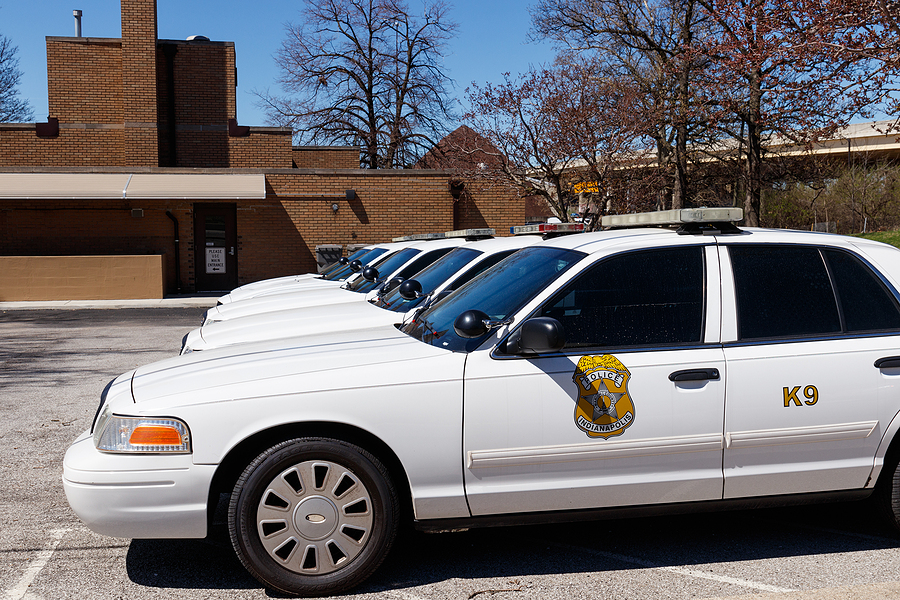
Which Agencies Send Arrestees to Marion County Jail?
Several law enforcement bodies operate within Marion County, and each can result in a booking at the jail.
- Indianapolis Metropolitan Police Department (IMPD) handles the vast majority of arrests within city limits, covering everything from traffic violations to violent crime.
- Marion County Sheriff’s Office runs the jail itself and also makes arrests, particularly related to court orders, warrants, and civil enforcement.
- Indiana State Police typically make arrests on highways and interstates running through Marion County, along with cases that cross county or state jurisdiction.
- Federal agencies, including the FBI, DEA, and ATF, may book individuals into county custody temporarily before transferring them to federal facilities, depending on the nature of the charges.
- Campus police departments, such as those at IUPUI/IU Indianapolis, handle arrests occurring on or near campus property.
- Transit police, including IndyGo’s security division, may also be involved in arrests connected to public transit incidents.
How Does IMPD Work With Marion County Jail?
As the primary municipal agency in Indianapolis, IMPD accounts for most bookings at Marion County Jail. Officers typically process arrests for charges ranging from misdemeanors like public intoxication to felonies such as robbery or assault.
What Happens During IMPD Booking?
Once IMPD makes an arrest, the individual is transported to the Community Justice Campus, where Marion County Jail is located. Booking involves fingerprinting, photographing, and recording personal information before the person is held pending an initial court appearance. Processing times can vary depending on jail capacity and the circumstances of the arrest, so it’s worth confirming current wait times directly with the Marion County Sheriff’s Office.
How Do State and Federal Arrests Differ From Local Ones?
Indiana State Police typically get involved when an arrest happens on a state highway or involves a case that spans multiple jurisdictions. These arrests often follow the same local booking process as IMPD arrests once the person arrives at Marion County Jail.
Federal arrests work differently. When the FBI, DEA, or ATF takes someone into custody, that person may still be held at a county facility initially, but the case proceeds through the federal court system rather than Marion Superior Court. Federal charges typically carry their own bail and detention procedures, which can mean longer timelines and different release conditions compared to local arrests.
What Happens After Someone Is Booked at Marion County Jail?
After booking, the next major step is the initial appearance before a judge or magistrate. This is where bail is formally set, if it hasn’t already been determined by the county’s bail schedule.
How Is Bail Determined in Marion County?
According to the IU Public Policy Institute’s CRISP brief (May 2022), Marion Superior Court uses a bail schedule based on criminal history, the type of alleged crime, and whether violence was involved. For example, Class A, Level 1, or Level 2 felonies carry a scheduled bail of $50,000, while Class C or Level 5 felonies are typically set at $7,500. Bail guidelines generally cap amounts at $200,000, though judges can adjust bail up or down depending on the severity of the case.
How Long Does Release Take After Bond Is Posted?
Release timelines can vary. A Fox 59 audit found that even after bond is posted, inmates are sometimes held for several hours or longer before being released, since processing paperwork takes time. It’s a good idea to plan for some waiting, even after payment is complete.
What Are the Bail Options for Marion County Jail Inmates?
Families have a few ways to secure someone’s release while their case moves through court.
Cash bail requires paying the full bail amount directly to the court. This amount is refundable after the case concludes, assuming no outstanding fees or fines, according to the Marion County Clerk’s office.
Bail bonds offer a far more affordable path. Instead of paying the full bail amount, you work with a licensed Marion County bail bondsman who posts a surety bond on your behalf for a percentage of the total.
How Do Bail Bonds Work in Indiana?
In Marion County, a standard surety bond typically costs 10% of the total bail amount, paid to a licensed bail agent, according to the Marion County Clerk (indy.gov). That fee is nonrefundable, covering the bondsman’s service of posting the full bail with the court. For eligible applicants, Woods Bail Bonds offers a reduced rate of 8%, making it one of the more affordable options in Indianapolis.
Frequently Asked Questions
How quickly can someone be released on bail in Marion County?
Release timing varies by case and jail processing volume. Even after bond is posted, release can take several hours due to paperwork and processing requirements at the jail.
What’s the difference between bail and bond?
Bail is the amount of money set by the court to secure someone’s release pending trial. A bond is the method used to pay that bail, whether through cash, a surety bond from a bail agent, or a percentage bond paid directly to the court.
Can bail amounts be reduced?
Yes, in some cases. A judge may adjust bail based on factors like criminal history, flight risk, and the nature of the alleged offense. Speaking with an attorney about requesting a bail reduction hearing is often the first step.
Get Your Family Member Home Faster
Marion County Jail receives arrestees from a range of agencies, including IMPD, the Marion County Sheriff’s Office, Indiana State Police, federal agencies, campus police, and transit police. No matter which agency made the arrest, the path to release usually comes down to understanding bail and acting quickly.
When time matters, Woods Bail Bonds helps eligible applicants get out of jail fast with 8% bail bonds in Indianapolis and throughout Marion County. Contact Woods Bail Bonds today to get started.
Related Posts:
Understanding Marion County Jail Processing Times: What to Expect
Why Hire a Local Marion County Bail Bondsman?
Bail Hearing Guide: Marion County, Indianapolis